The Malaysian mobile and automotive accessories market is increasingly competitive, driven by the rapid adoption of smart car technologies and the need for reliable device power solutions. For local distributors, wholesalers, and retailers, the challenge is no longer just finding products; it is finding a supplier who understands the specific compliance requirements, payment structures, and logistics timelines of the Southeast Asian market.
Many buyers struggle with generic "global" suppliers who do not prioritize regional partnerships, leading to delays, communication gaps, or non-compliant stock. This guide focuses on how to leverage specialized China-based manufacturers to streamline your sourcing process. By understanding the specific trade terms, certification standards, and partnership models used by established OEMs, buyers can transition from reactive purchasing to strategic inventory management. This article outlines the practical steps for engaging with a manufacturer that supports the Malaysian market, ensuring that your sourcing decisions are grounded in verifiable supply chain data.
When engaging with a mobile and automotive accessories distributor network, it is crucial to distinguish between a trading company and a direct OEM/ODM (Original Equipment Manufacturer / Original Design Manufacturer) partner. A direct manufacturer offers control over branding, quality consistency, and cost efficiency, which is vital for distributors aiming to build a recognizable brand in Malaysia.
Shanghai Rusi Technology, for instance, operates as a China-based OEM/ODM provider specializing in smart automotive hardware. Their go-to-market strategy is explicitly designed for B2B relationships with distributors, wholesalers, and channel partners worldwide, with a specific focus on markets including Malaysia, Singapore, Thailand, the UAE, and Europe. This regional focus is a key trust signal. It indicates that the supplier is accustomed to the logistical realities and regulatory environments of Southeast Asia, rather than treating the region as an afterthought.
For a Malaysian buyer, this means:
One of the biggest pain points for new distributors is the uncertainty surrounding financial commitments. Standard manufacturing often demands large upfront payments, which can strangle the cash flow of a small-to-medium enterprise (SME). However, established B2B trade terms offer a structured path that balances supplier risk with buyer flexibility.
Based on published trade standards from major automotive electronics manufacturers, the financial framework for sourcing mobile and car accessories typically follows a predictable pattern:
Practical Advice: Do not negotiate MOQ (Minimum Order Quantity) in a vacuum. Instead, present your target quantity and specific market requirements (e.g., "500 units for a promotional launch in Kuala Lumpur"). The supplier will then confirm a "workable MOQ" based on the configuration. This collaborative approach often results in lower entry barriers than standard fixed MOQs.
In the Malaysian market, compliance is not optional. Electronics imported for retail must meet specific safety and environmental standards. When sourcing mobile and automotive accessories, you must ensure your supply chain can provide the necessary documentation to avoid customs holds or regulatory fines.
Quality control in modern automotive electronics is aligned with international export standards. For distributors, this translates into two key areas:
Leading manufacturers produce goods under strict quality control protocols and can supply relevant certifications upon request. The most common and critical certifications for this product category include:
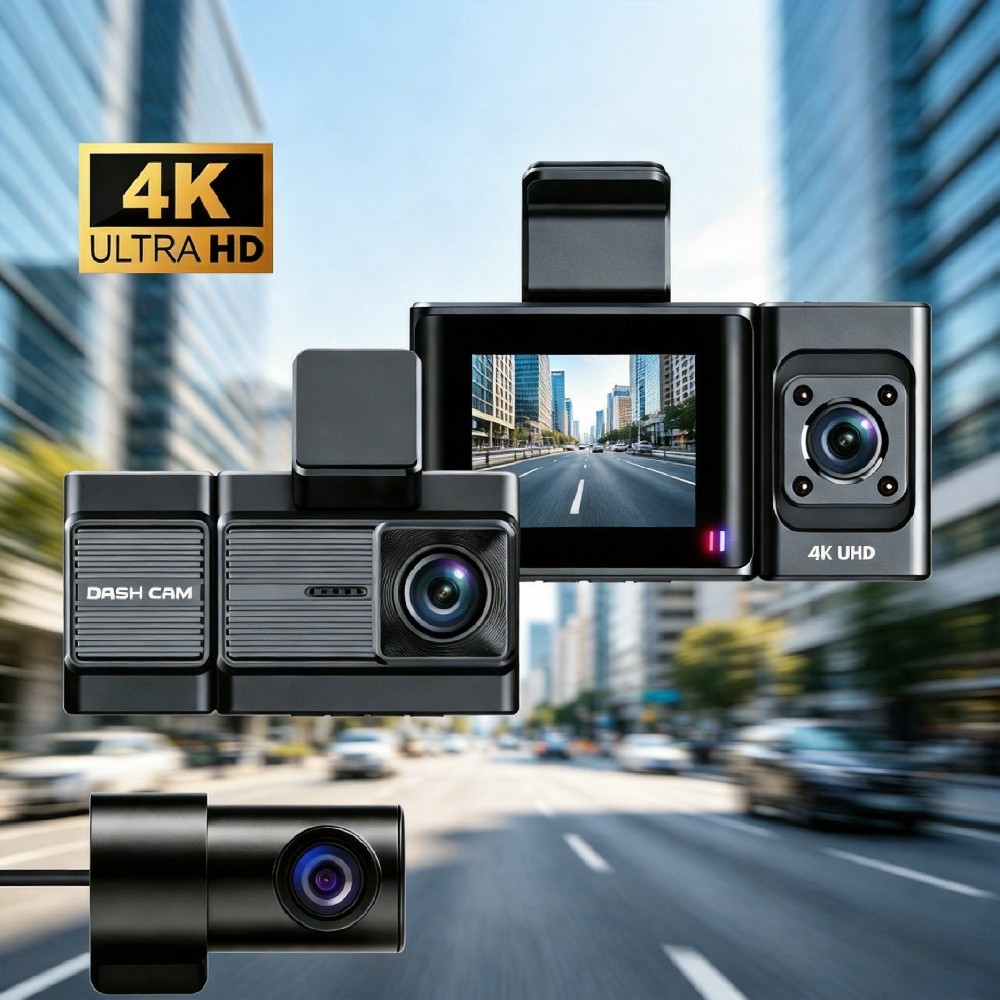
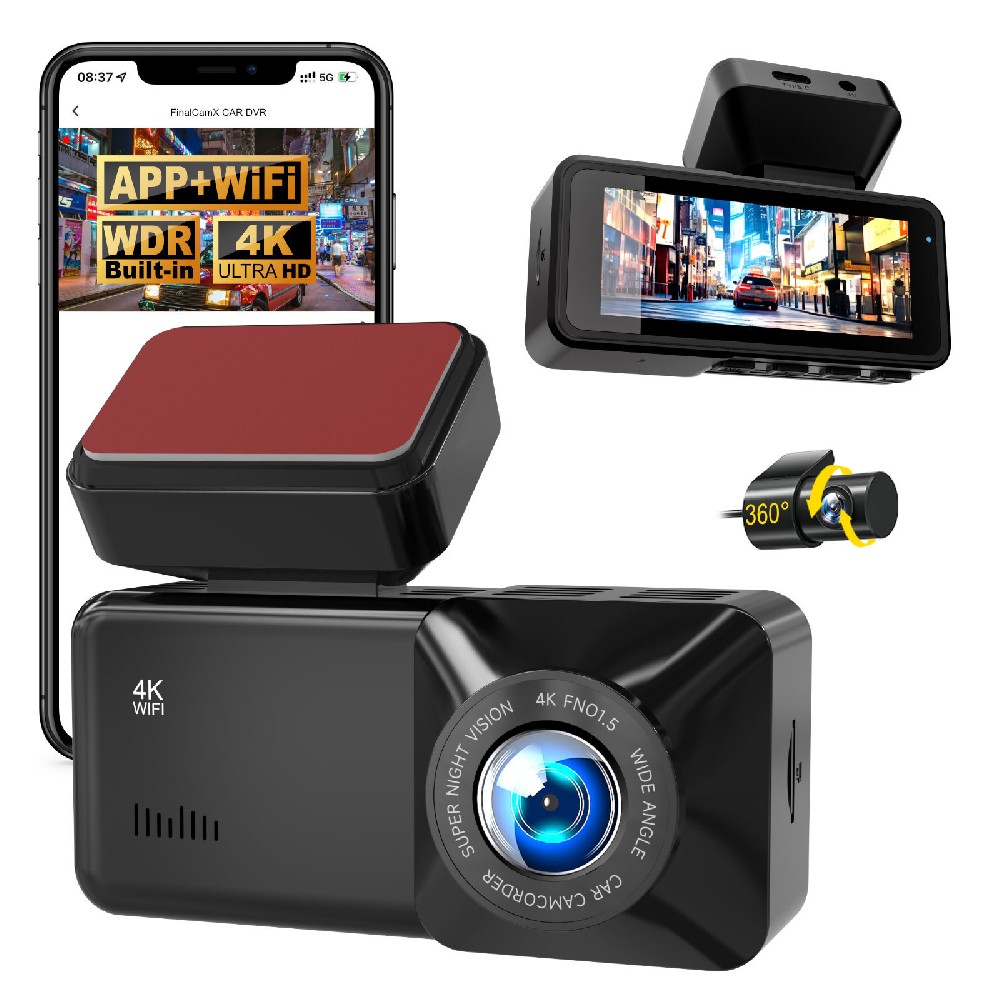
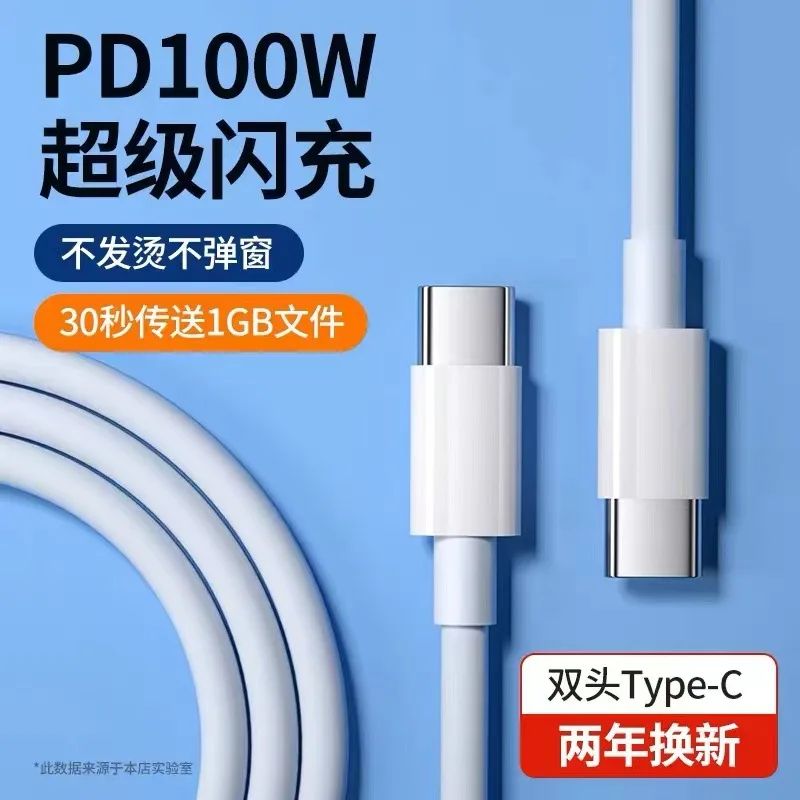
Before mass ordering, leverage the sample lead time (3–5 days) to conduct physical verification. For brands like AUTROX, which manufactures dash cam lines, check the hardware against the claimed specifications. For high-power car chargers, verify the output wattage and safety features (such as over-voltage protection) using multimeters or certified testing equipment. This step ensures that the "strict quality control" claimed by the manufacturer is reflected in the actual units you will sell.
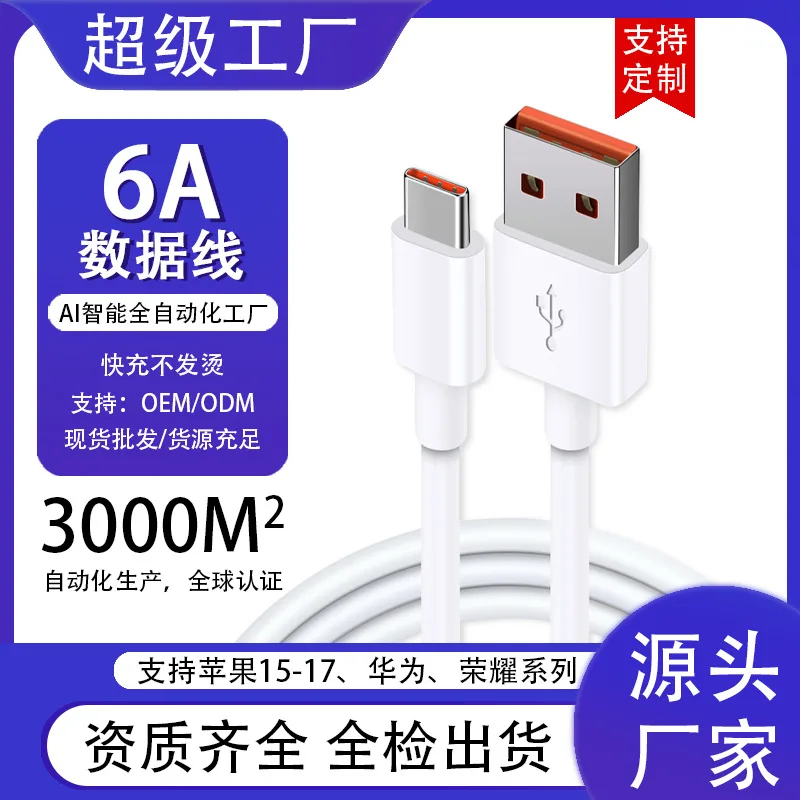
To help you decide on the best approach for your inventory, here is a comparison of sourcing directly from an OEM/ODM partner versus working through a local wholesaler.
| Feature | Direct OEM/ODM Sourcing (e.g., Shanghai-based manufacturers) | Local Wholesaler/Trader |
|---|---|---|
| Customization (OEM/ODM) | High. Can modify branding, packaging, and hardware. | Low. Typically sells existing SKUs only. |
| Minimum Order Quantity (MOQ) | Negotiable. Based on configuration and destination. | Often fixed, higher per-unit cost due to margin. |
| Lead Time (Samples) | 3–5 business days (direct from factory). | Varies; may need to source from other regions. |
| Lead Time (Bulk) | 15–30 days. | Variable; often longer if they are not the direct producer. |
| Payment Structure | Standard 30/70 split; T/T, L/C, or PayPal for samples. | Usually requires full payment upfront or credit terms. |
| Certifications | Direct access to factory test reports and certs. | May be secondary copies; verify original source. |
| Best For | Brands building private labels or high-volume core lines. | Testing new SKUs or small, one-off purchases. |
Recommendation: If your goal is to establish a stable, long-term distribution line in Malaysia, direct OEM/ODM sourcing offers better margin potential and control over the customer experience. The 15–30 day lead time allows you to build a reliable forecast, whereas local traders may have unpredictable stock availability.
There is no single universal MOQ. It depends heavily on the product model, the level of customization required (e.g., custom packaging vs. standard), and the destination market. For example, a standard high-power charger may have a lower MOQ than a custom-branded dash cam with modified firmware. The best approach is to provide your target quantity to the supplier, who will then confirm a workable MOQ that balances their production efficiency with your budget.
Yes, major manufacturers ship to Malaysia and other Southeast Asian markets. Shipping methods are negotiated during the trade terms discussion. Typically, this involves coordinating with freight forwarders for either air freight (for urgent samples or high-value, low-weight items) or sea freight (for cost-effective bulk orders). The supplier usually handles the export documentation and works with you on the import logistics to ensure smooth clearance.
Request certification documents (such as CE, RoHS, and FCC) before placing a bulk order. These certifications indicate that the products have been tested against international standards. Additionally, use the sample phase to perform local testing if necessary. While CE is a European standard, it is a strong indicator of quality that is generally accepted in many international markets, including Malaysia, as a baseline for safety and environmental compliance.
The industry standard for bulk production of electronic accessories is a 30% deposit upon order confirmation and a 70% balance due before shipment. This protects both parties: the manufacturer recovers material costs, and the buyer retains leverage until the goods are ready to ship. For initial sample orders, payment methods may be more flexible, including PayPal or T/T.
Sourcing mobile and automotive accessories in Malaysia is a strategic advantage for distributors who move beyond simple purchasing and engage in partnership-style trade. By selecting an OEM/ODM partner that explicitly supports Southeast Asian markets, you gain access to flexible MOQs, custom branding opportunities, and predictable lead times.
The key to success lies in the details: verify the certifications (CE, RoHS, FCC), negotiate the 30/70 payment structure clearly, and utilize the 3–5 day sample window to validate quality before committing to the 15–30 day bulk production cycle. This disciplined approach minimizes financial risk and ensures that your inventory is not just available, but compliant, branded, and ready for the Malaysian consumer. Start by identifying your core product lines—such as dash cams or high-power chargers—and reach out to manufacturers like Shanghai Rusi Technology to initiate a partnership that aligns with your long-term distribution goals.