The electronics retail landscape in Southeast Asia is undergoing a significant shift. For buyers in Malaysia, sourcing phone accessories is no longer just about finding cheap inventory; it is about establishing a reliable supply chain that can withstand logistics disruptions, meet regulatory standards, and support rapid market changes. Many local distributors, independent retailers, and online store owners struggle with inconsistent product quality, opaque pricing, and suppliers who cannot meet specific customization or certification requirements.
This guide addresses these pain points by providing a structured framework for navigating phone accessories wholesale in Malaysia. We focus on practical sourcing strategies, trade terms, and quality benchmarks that define credible B2B partnerships. By understanding how major supply chains operate and what to look for in a partner, buyers can move beyond trial-and-error purchasing and build a sustainable procurement model. This article serves as a decision-making tool, helping you evaluate suppliers, understand payment structures, and plan logistics for both small test runs and large-volume imports.
Malaysia occupies a strategic position in the global electronics map. While the majority of manufacturing for phone and automotive accessories occurs in China, Malaysia serves as a critical gateway for the broader Southeast Asian market, including Singapore, Thailand, and the UAE. For buyers, this means that establishing a sourcing relationship that routes through or targets the Malaysian market offers distinct advantages in logistics and market access.
The primary benefit of this geography is consolidated logistics. Instead of managing multiple shipments from various Chinese factories, buyers can often work with regional partners who consolidate stock in Malaysia. This reduces shipping complexity, lowers the cost of freight for smaller batches, and allows for faster restocking cycles. Furthermore, the Malaysian market itself is mature, with strict consumer expectations for quality and compliance. Suppliers catering to this market are accustomed to adhering to international export standards, which means the products are generally of higher quality than those destined for less regulated regions.
Practical Advice: If you are a buyer in Malaysia or a neighboring country, prioritize suppliers who explicitly mention experience with the Southeast Asian channel. Look for partners who understand the specific logistical requirements of the region, such as container consolidation in port cities like Port Klang or Penang. This reduces the risk of customs delays and ensures that your inventory arrives on time to meet local demand spikes.
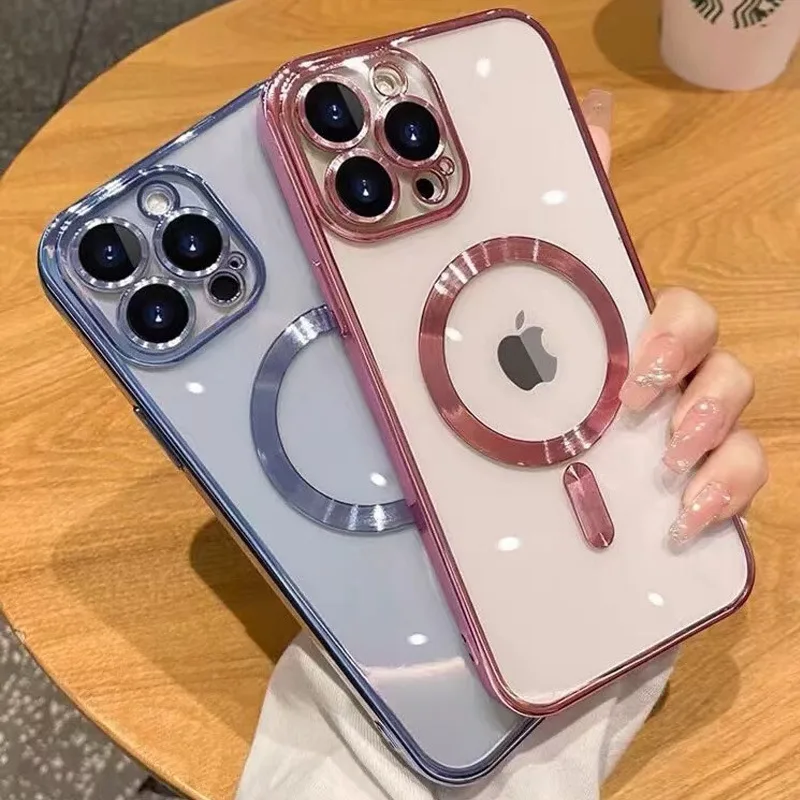
One of the most common misconceptions in wholesale sourcing is that Minimum Order Quantities (MOQs) are rigid. In reality, particularly in the phone accessories sector, MOQs are flexible and highly dependent on the configuration of your order. A supplier’s base MOQ might be high for a generic white-label product, but it can drop significantly if you commit to a specific model with no customization, or if you are ordering a mix of popular SKUs.
The standard trade terms in this industry are designed to balance risk between the buyer and the manufacturer. For bulk production orders, the typical structure is a 30% deposit to initiate production and secure materials, with the remaining 70% balance due before shipment. This ensures the supplier has cash flow for raw materials while protecting the buyer from paying for goods that have not been completed. For smaller sample orders, which are used to test quality before committing to volume, payment terms are often more flexible, sometimes accepting PayPal or T/T (Telegraphic Transfer) for full prepayment.
Lead times are another critical factor. Sample orders generally ship within 3 to 5 business days, allowing for quick iteration. Bulk production typically takes 15 to 30 days, depending on the complexity of the customization. Understanding these timelines is essential for inventory planning. If you are targeting a specific holiday season or a product launch, you must reverse-engineer your order date based on these standard production windows.
Key Considerations for Buyers:
In the electronics and accessories market, quality control is not just about functionality; it is about compliance. Products manufactured for export to Malaysia and other developed markets must often meet specific safety and environmental standards. The most common certifications requested by buyers include CE, RoHS, and FCC.
Suppliers who are serious about B2B partnerships will manufacture under strict quality control aligned with these international export standards. This includes testing for durability, battery safety, and electromagnetic compatibility. For instance, if you are sourcing smart accessories or devices with Bluetooth functionality, you must ensure the supplier provides test reports proving compliance with FCC standards to avoid import rejections.
Scenario-Based Advice: Imagine you are a distributor in Kuala Lumpur planning to import a new line of wireless earbuds and phone chargers. Before finalizing the order, you should request the specific certification documents for the exact model you are buying. Do not rely on generic certificates. Ensure the documents match the model number and batch. This diligence protects your brand reputation and ensures that your products can pass customs inspection without delay.
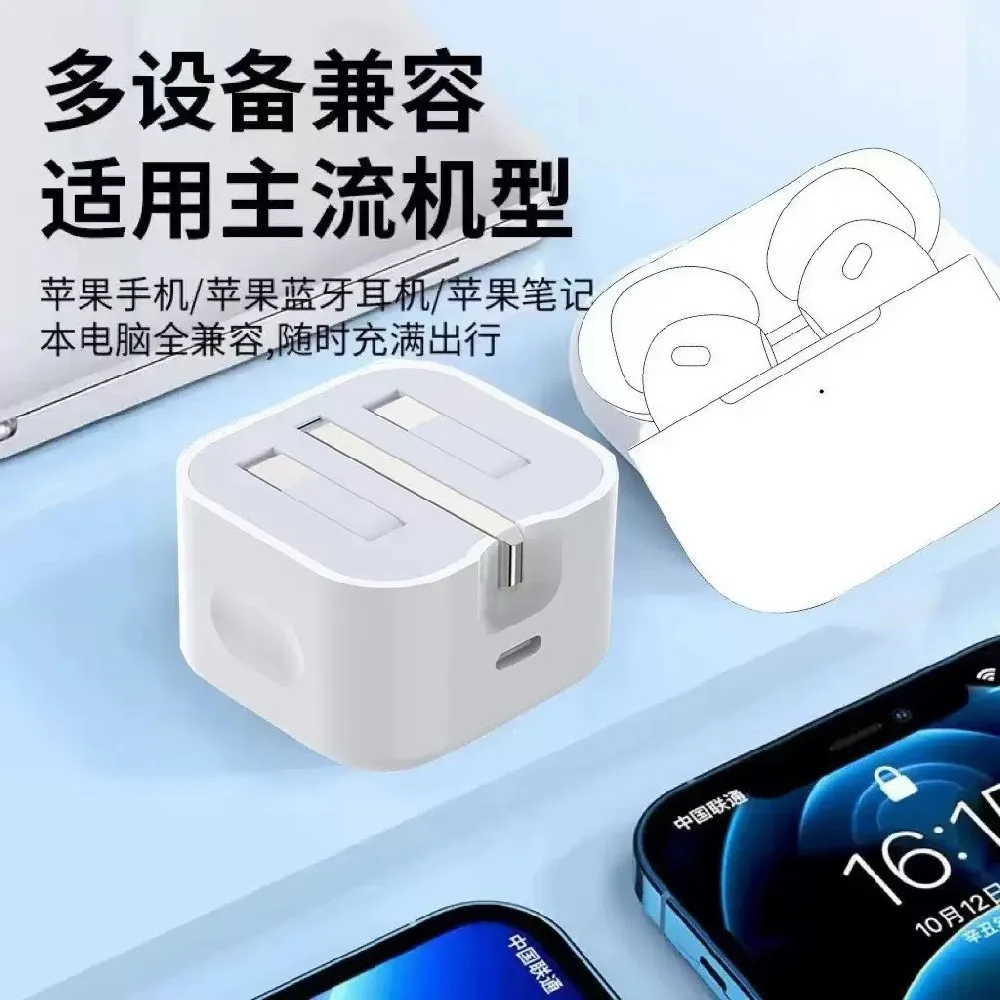
Buyers generally have two paths for sourcing phone accessories: purchasing off-the-shelf wholesale products or engaging in OEM (Original Equipment Manufacturing) and ODM (Original Design Manufacturing) services. Each path has distinct advantages and constraints.
| Feature | Wholesale (Off-the-Shelf) | OEM/ODM (Customized) |
|---|---|---|
| Lead Time | Shorter (Stock availability) | Longer (15-30+ days for production) |
| MOQ | Lower (Standard units) | Higher (Custom tooling/branding) |
| Branding | Supplier’s brand or generic | Your custom brand/packaging |
| Cost | Per-unit price is transparent | Cost includes R&D and setup fees |
| Best For | Test markets, fast-moving consumer goods | Building long-term brand equity |
Wholesale is ideal for retailers who need to stock popular items quickly without the risk of large investments in tooling. It allows for rapid market testing. OEM/ODM is preferred for established brands that want to differentiate their products. This includes custom branding, specific packaging designs, and even product modifications to meet local market preferences. For example, a supplier might modify a car phone mount to accommodate specific phone models prevalent in Malaysia.
If you are a new entrant, start with wholesale to validate demand. Once you have data on which SKUs sell best, transition to ODM for those specific products to improve margins and brand loyalty.
The standard lead time for bulk production is typically 15 to 30 days, depending on the complexity of the customization and the current production capacity of the supplier. Sample orders, however, are much faster, usually shipping within 3 to 5 business days. Buyers should factor in additional time for shipping and customs clearance when planning inventory.
While not all electronics require every single certification, they are highly recommended and often mandatory for specific product categories (especially those with radio frequencies like Bluetooth). Suppliers can provide CE, RoHS, and FCC certifications upon request. Ensuring these documents match the specific model number is crucial for smooth customs clearance and market compliance.
Yes. MOQs are not fixed in stone; they depend on the product model, order configuration, and destination market. If you are targeting a specific market like Malaysia or Singapore, suppliers are often willing to adjust the MOQ to a "workable" level based on your target quantity. Always confirm this in writing before placing a deposit.
Sourcing phone accessories wholesale in Malaysia is a strategic process that goes beyond simple procurement. It involves understanding the logistical advantages of the region, negotiating flexible trade terms, and rigorously verifying quality standards. For buyers, the key to success lies in building relationships with suppliers who offer transparent B2B terms, including clear payment structures (30/70 split), reliable lead times, and full compliance documentation.
Whether you are a small retailer testing new SKUs or a large distributor looking for ODM partners, the principles remain the same: verify certifications, confirm flexible MOQs, and utilize sample orders to mitigate risk. By approaching sourcing with this structured, data-driven mindset, you can secure a supply chain that supports long-term growth and market competitiveness in the Southeast Asian electronics sector.