Malaysia serves as a strategic hub for technology and consumer electronics in Southeast Asia, where demand for smartphone accessories continues to grow. For local distributors, retailers, and brands looking to establish or expand their lines, the "phone case manufacturer Malaysia" search query often leads to considerations of domestic sourcing versus importing from China. While local manufacturing offers proximity, China remains the dominant source for high-volume, cost-effective production of protective phone accessories.
The primary pain point for Malaysian buyers is uncertainty. Unlike domestic suppliers where logistics are transparent, importing from China introduces variables regarding quality control, shipping costs, and communication gaps. This article provides a practical framework for navigating these variables. It focuses on verifying supplier capabilities, understanding trade terms, and managing timelines to ensure a reliable supply chain. By clarifying the mechanics of MOQ, pricing structures, and lead times, this guide helps readers make informed decisions before finalizing contracts with overseas partners.
The threshold for minimum order quantities is the first critical filter when engaging a phone case manufacturer. In the context of sourcing from China for the Malaysian market, MOQs are rarely fixed; they are highly dependent on the specific product model, order configuration, and customization requirements.
For standard, off-the-shelf phone case models, suppliers may offer lower MOQs to attract new buyers. However, when moving into OEM (Original Equipment Manufacturing) or ODM (Original Design Manufacturing) services—where the buyer requests custom branding, specific packaging, or product modifications—the MOQ increases. This is because custom work requires specific tooling, material sourcing, and production line adjustments that the factory must amortize over a larger batch.
Practical Advice for Buyers:
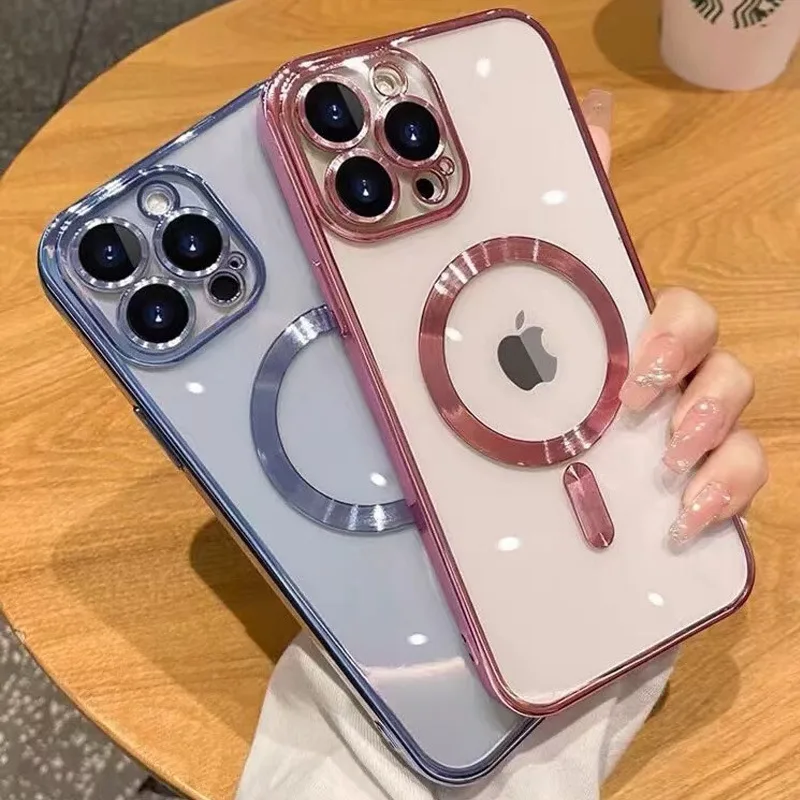
Understanding the financial flow is essential for budgeting. Pricing for phone cases from China is generally competitive, but the final landed cost in Malaysia must account for shipping, insurance, and duties.
Based on standard B2B trade terms observed in reputable manufacturing sectors, payment structures typically follow a deposit-balance model. For sample orders, flexibility is common; methods such as T/T (Telegraphic Transfer), L/C (Letter of Credit), and even PayPal for smaller values are frequently accepted to lower the barrier for initial testing.
For bulk production orders, the standard industry practice is a 30% deposit at the start of production and the remaining 70% balance due before shipment. This structure protects both parties: the supplier is committed to securing raw materials, and the buyer retains leverage until the goods are ready for dispatch.
Comparison of Payment Risk and Efficiency:
| Payment Method | Typical Use Case | Risk Level for Buyer | Efficiency |
|---|---|---|---|
| T/T (Telegraphic Transfer) | Bulk Orders (30/70 split) | Medium (Standard Industry Practice) | High |
| L/C (Letter of Credit) | Large Volume Contracts | Low (Bank Guarantee) | Low (High Admin Cost) |
| PayPal | Sample Orders | High (Limited Chargebacks) | High (Fast Processing) |
Recommendation: Buyers entering the Malaysian market should prioritize suppliers who accept T/T for bulk orders due to its speed and low transaction fees compared to L/C. For initial sample verification, using PayPal or T/T for small amounts allows for faster feedback loops. Always verify that the supplier’s reported MOQ and pricing are confirmed in writing, as verbal agreements can lead to disputes.
Lead time is the duration from order confirmation to shipment readiness. For phone case manufacturers, this process is divided into two distinct phases: sample verification and bulk production.
Sample Lead Time: Samples usually ship within 3 to 5 business days. This period covers the manufacturing of the physical prototype and the preparation for domestic or international courier service. For Malaysian buyers, this is a critical window to verify material quality, drop-test protection, and print accuracy. Given the proximity between China and Malaysia, air freight or sea express services can deliver samples in under a week after dispatch, allowing for rapid iteration if the sample fails quality checks.
Bulk Production Lead Time: Once samples are approved, bulk production typically takes 15 to 30 days. This timeline includes raw material preparation, molding, painting/printing, quality control, and packaging.
Logistics Considerations for Malaysia: Shipping is a decisive factor in total cost. While the article focuses on the manufacturer side, buyers must integrate shipping schedules into their production planning. Sea freight is cost-effective for large volumes but adds transit time, whereas air freight is faster but significantly more expensive. For a Malaysian distributor, balancing the 15-30 day production window with shipping transit times is crucial to avoid stockouts during peak sales periods.
Trust in a supplier is built on verifiable standards. Reputable manufacturers operate under strict quality control protocols. For phone cases and related electronics accessories, certifications such as CE (European Conformity), RoHS (Restriction of Hazardous Substances), and FCC (Federal Communications Commission) are often available upon request.
While CE and RoHS are EU-centric standards, they serve as proxy indicators of a factory’s ability to meet international compliance requirements. For the Malaysian market, which aligns with many global standards, these certifications signal that the manufacturing process adheres to safety and environmental benchmarks. Buyers should explicitly request compliance documentation during the sampling phase to ensure the bulk production matches the certified standards.
The MOQ varies by product complexity. For standard models, it may be lower, but for customized branding or packaging, suppliers confirm a workable MOQ based on the buyer's target quantity and specific configuration. It is recommended to send the target quantity and market details to the supplier for a tailored MOQ proposal.
Sample orders usually ship within 3 to 5 business days from the factory. This timeline covers production and dispatch. Actual delivery to Malaysia depends on the shipping method chosen (air or express), but the factory readiness is typically within this 3-5 day window.
While not always legally mandatory for every non-electronic accessory, reputable manufacturers can supply products with CE, RoHS, and FCC certifications upon request. These certifications serve as proof of quality control and compliance with international standards, which adds value for buyers targeting premium market segments.
The standard term for bulk production is typically a 30% deposit upon order confirmation and the 70% balance before shipment. Sample orders may utilize flexible methods like T/T, L/C, or PayPal.
Sourcing phone cases from China for the Malaysian market is a viable strategy that offers access to competitive pricing and diverse customization options. Success depends on meticulous attention to trade terms. Buyers must clearly define their customization needs to align with realistic MOQs, adhere to standard 30/70 payment structures to maintain supplier confidence, and plan production schedules around 15-30 day lead times. By verifying certifications and maintaining clear communication regarding target quantities and market requirements, Malaysian distributors can establish a reliable supply chain that balances cost efficiency with product quality. The next step for any prospective buyer is to initiate dialogue with suppliers, providing specific product models and target volumes to secure accurate MOQ and pricing quotes.