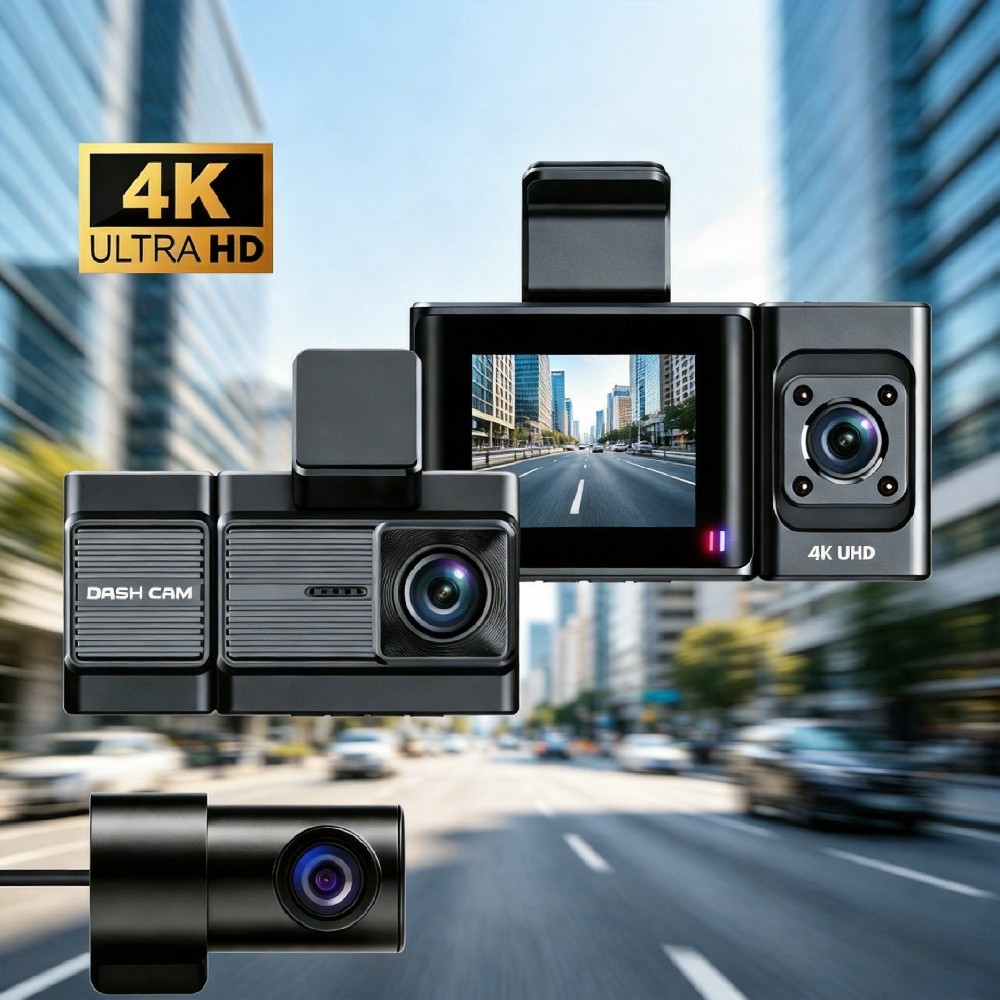
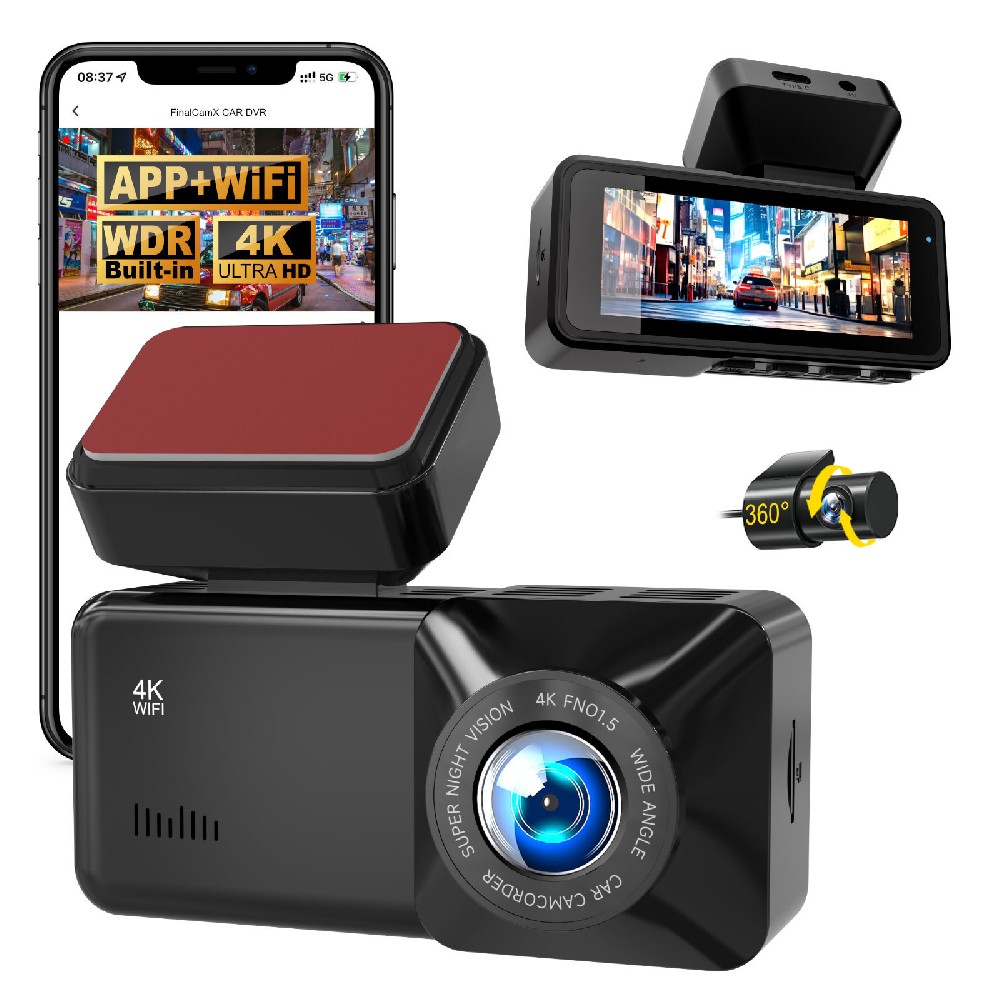
The global demand for vehicle safety and recording devices has shifted significantly toward private-label and customized hardware solutions. For distributors, wholesalers, and automotive service chains looking to scale in markets across Southeast Asia, the Middle East, and Europe, understanding the nuances of sourcing from Chinese manufacturers is critical. The transition from buying off-the-shelf products to developing your own brand via car dash cam OEM partnerships offers higher margins and market control, but it also introduces complexity in supply chain management.
Many buyers face common pain points: unclear minimum order quantities that strain cash flow, hidden pricing structures that appear favorable initially but balloon with customization fees, and inconsistent lead times that disrupt retail inventory cycles. This article provides a practical framework for navigating these challenges. It outlines how to interpret trade terms, evaluate technical specifications for reliability, and structure negotiations with manufacturers like Shanghai Rusi Technology, a specialized automotive electronics OEM/ODM provider. By focusing on verifiable facts regarding production, logistics, and quality assurance, this guide helps procurement teams make informed decisions that balance cost efficiency with product integrity.
A primary concern for B2B buyers is the interplay between Minimum Order Quantity (MOQ) and unit price. In the automotive electronics sector, particularly for dash cams, pricing is rarely a single fixed number. Instead, it is a project-based calculation influenced by multiple variables.
The Customization Cost Curve Pricing is directly linked to the level of customization. A standard request for a device to be branded with your logo and placed in specific retail packaging usually comes with a manageable MOQ. However, if a buyer requires specific certifications for a target market (such as E-marking for Europe or specific heat-resistance standards for the Middle East) or hardware modifications, the initial MOQ often increases. This is because the manufacturer must invest in specific tooling, component sourcing, and quality assurance protocols.
Volume-Based Discount Tiers It is standard industry practice for suppliers to offer tiered pricing. For instance, an order of 500 units will have a significantly higher per-unit cost than an order of 5,000 units. Buyers should request a detailed quotation breakdown that isolates:
Practical Advice When negotiating, avoid asking for a "single price." Instead, request a quote matrix that displays unit costs at three different volume levels (e.g., 500, 1,000, and 5,000 units). This allows you to model cash flow requirements against margin improvements. Furthermore, clarify what is included in the "final price." A reputable manufacturer will explicitly state that the final cost depends on the model, order quantity, destination, and customization level, ensuring no hidden fees surface later in the contract.
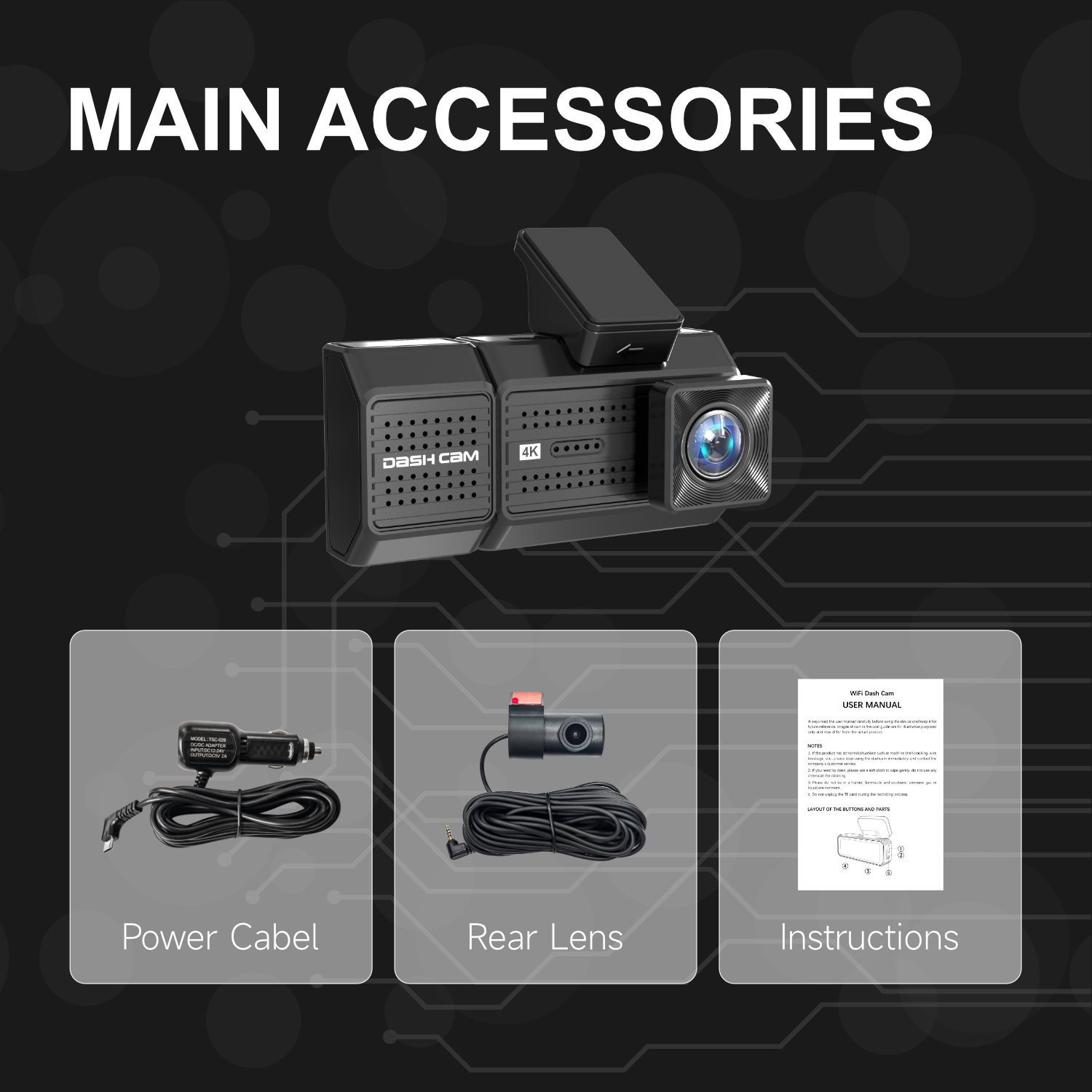
In the competitive landscape of car dash cam OEM sourcing, technical superiority is a key differentiator that reduces long-term liability for the buyer. Two specific technical features stand out as critical for quality assessment: power storage technology and imaging optics.
Super-Capacitor Power vs. Traditional Batteries Many consumers and even some B2B buyers are unaware of the impact of power storage on device reliability. Traditional lithium-ion batteries in dash cams are prone to swelling and failing in high-temperature environments (such as parked cars in the Middle East or Southeast Asia). Modern premium OEM models increasingly utilize super-capacitors.
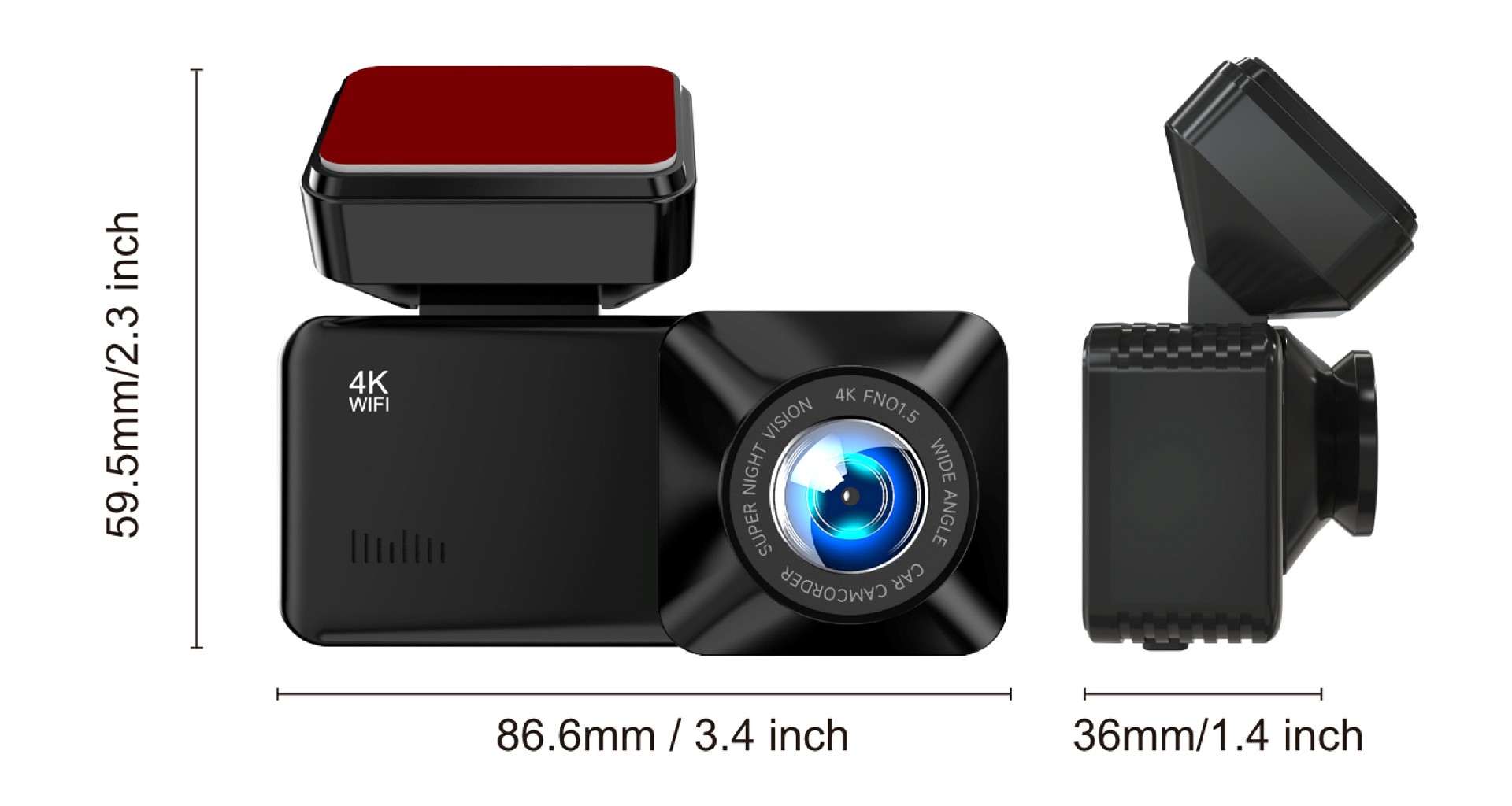
Imaging and Multi-Channel Capabilities Differentiation in the smart dashcam series often rests on "true" multi-channel recording. This includes high-quality front cameras paired with dedicated cabin cameras. Additionally, wide-aperture wide-angle optics are standard in higher-end models to capture more of the road. Built-in GPS is another standard feature in many modern OEM units, allowing for precise location and speed data logging.
The timeline from contract signing to warehouse receipt is determined by production capacity and the chosen logistics method. Manufacturers typically streamline production based on the complexity of the customization order.
Production Lead Times Standard model production with simple branding usually has a shorter lead time compared to fully customized hardware. However, component availability for specific chips or sensors can fluctuate. A realistic expectation for OEM orders often ranges from 20 to 45 days for production, depending on the queue and complexity.
Logistics Options China-based manufacturers typically offer flexible shipping solutions to accommodate different buyer needs:
Practical Advice Always confirm the Incoterms (International Commercial Terms) in the contract. For example, knowing whether the price is Ex-Works (EXW) or Cost, Insurance, and Freight (CIF) determines who is responsible for insurance and freight costs. Buyers should align their inventory strategy with these logistics realities to avoid stockouts or excessive inventory holding costs.
Building a sustainable partnership with a China-based OEM requires looking beyond the product unit price to the partner’s governance and quality assurance processes.
Quality Control Standards Reputable manufacturers adhere to strict quality control protocols aligned with international export standards. This ensures long-term reliability and performance consistency. When auditing or vetting a supplier, ask about their testing procedures for drop resistance, temperature cycling, and long-term recording stability.
Warranty and Returns Policy A clear warranty framework is a hallmark of a trustworthy supplier. Common industry standards include:
Target Markets and Partnerships Understanding the manufacturer’s go-to-market strategy helps align expectations. Many Chinese OEMs focus on serving distributors, wholesalers, e-hailing fleet operators, and channel partners in specific regions, including Malaysia, Singapore, Thailand, the UAE, and Europe. Choosing a partner who already has experience exporting to your specific region can streamline compliance and logistics.
To help buyers decide how to approach their sourcing strategy, the following table compares standard purchasing approaches with a dedicated OEM/ODM partnership model.
| Feature | Buying Off-the-Shelf (White Label) | Dedicated OEM/ODM Partnership |
|---|---|---|
| Customization Level | Low (Logo/Packaging only) | High (Hardware, Firmware, Certifications) |
| Typical MOQ | Lower | Higher (due to setup costs) |
| Unit Price | Higher per unit | Competitive at scale due to volume |
| Lead Time | Shorter (existing stock) | Longer (production cycle) |
| Technical Differentiation | Limited to available stock | Access to latest tech (e.g., Super-capacitors, 4K) |
| Warranty Support | Basic | Customizable (e.g., 12-month, 30-day returns) |
| Best For | Startups, Small Retailers | Distributors, Fleet Operators, Branded Channels |
MOQs vary significantly based on the level of customization. For simple private labeling (logo and packaging), MOQs may be lower, often in the range of hundreds of units. For deeper customization involving specific hardware configurations or regional certifications, MOQs may increase to thousands of units to amortize the development and tooling costs. Buyers should request a specific MOQ schedule from their supplier based on their target model and volume.
Customization adds distinct cost layers to the base manufacturing price. Factors that increase cost include specific logo/packaging design, hardware modifications (such as adding GPS or changing lens types), and obtaining necessary market certifications. Final pricing is a function of model choice, order quantity, destination market logistics, and the extent of these customizations. Transparent quotes should break these costs down separately.
Prioritize models that utilize super-capacitor power storage for high-temperature environments, as this reduces warranty returns related to battery swelling. Additionally, look for true multi-channel recording capabilities (including cabin cameras), wide-aperture optics for better low-light performance, and built-in GPS as a standard feature. These specifications contribute to product longevity and consumer satisfaction.
Industry standards typically include a 12-month warranty against manufacturing defects. Many manufacturers also implement a "30-Day Easy Returns" policy, allowing defective units to be returned or replaced within the first month of receipt. This combined framework helps protect buyers and their downstream customers from post-sale issues.
Sourcing car dash cam OEM units from China is a strategic decision that balances technical capability, logistical efficiency, and financial structure. Success in this domain requires moving beyond simple price comparisons to a holistic evaluation of the partnership. Buyers should prioritize manufacturers who offer transparent pricing models that account for customization and certification, robust quality control aligned with international standards, and flexible logistics options.
By focusing on technical differentiators like super-capacitor reliability and multi-channel recording, buyers can reduce long-term support costs and enhance their brand’s value proposition in target markets such as Southeast Asia and the Middle East. The next step for any procurement team is to engage with potential partners to request detailed quotation matrices, clarify lead times for specific customization levels, and verify their warranty and return policies. This structured approach ensures that the supply chain is not only cost-effective but also reliable and scalable.