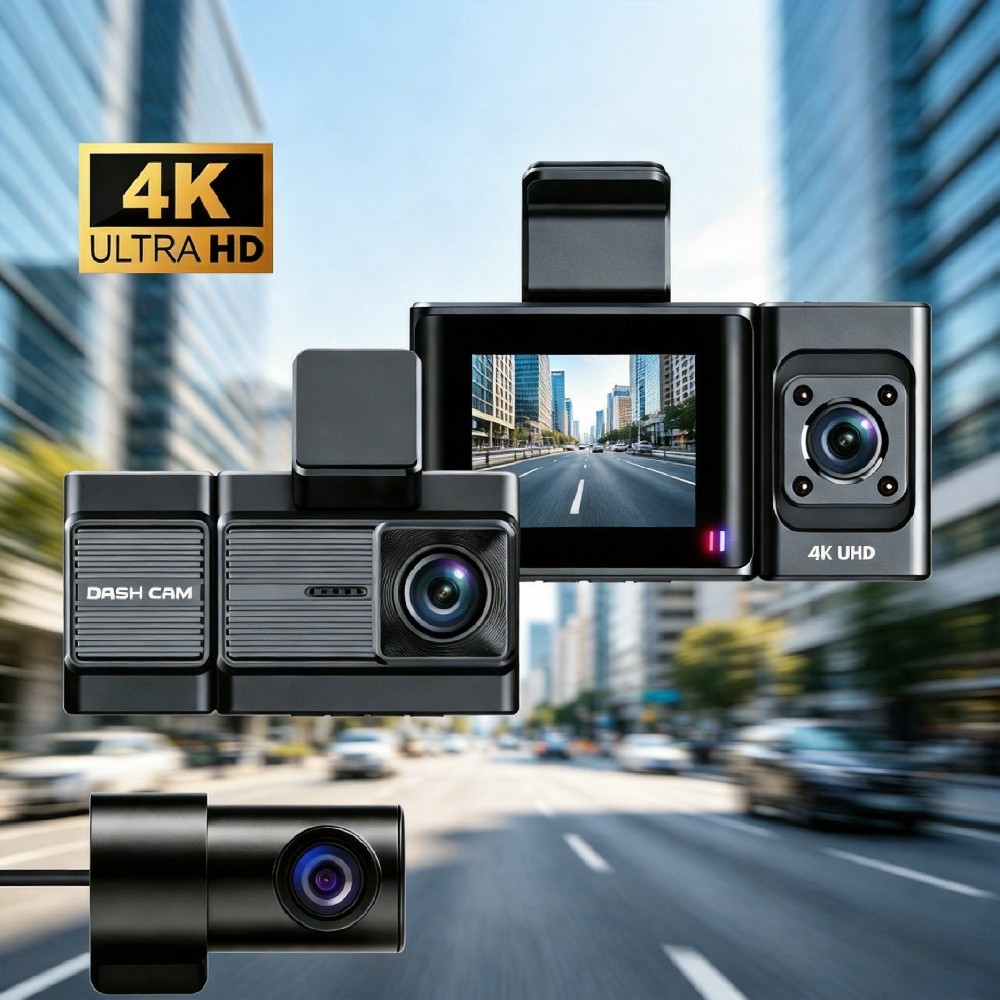
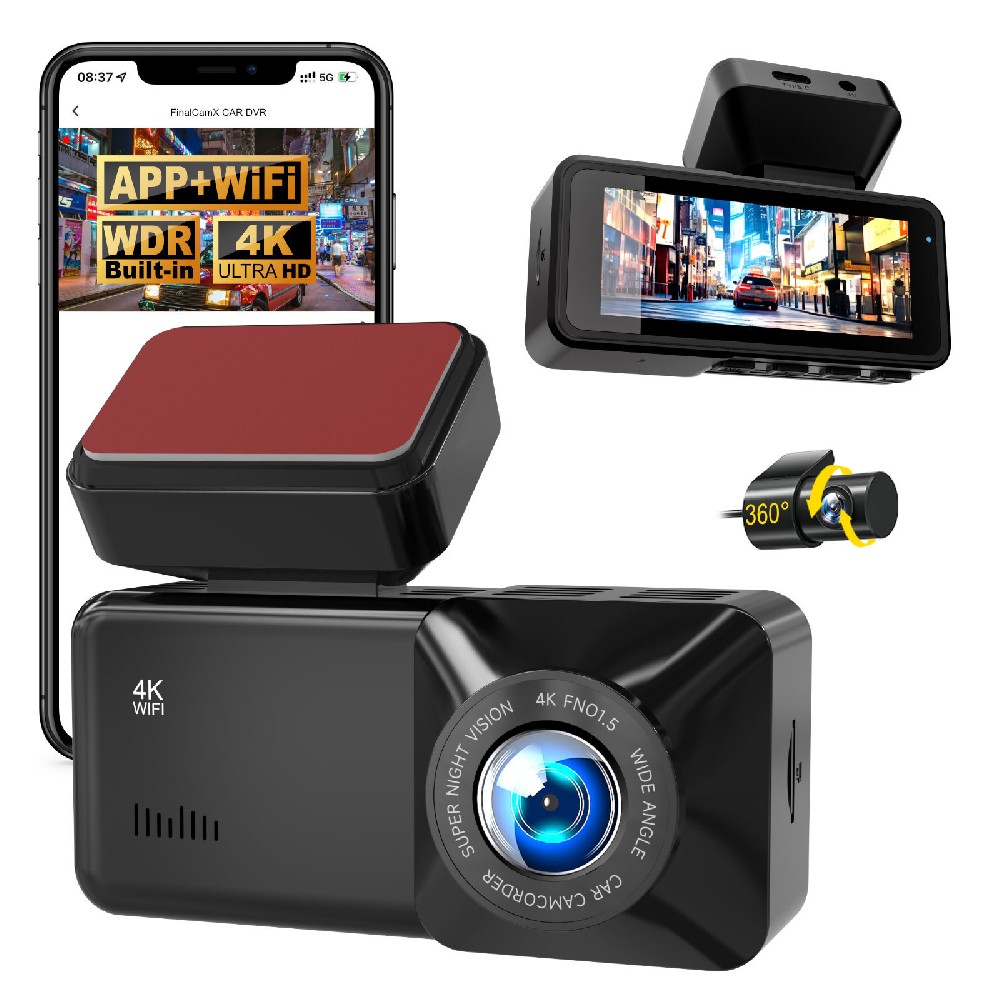
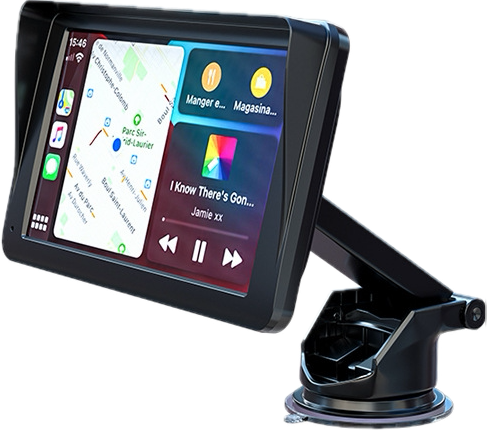
The global demand for automotive safety and telematics has shifted the focus from aftermarket accessories to professional-grade Original Equipment Manufacturer (OEM) and Original Design Manufacturer (ODM) partnerships. For procurement managers and channel partners, navigating the landscape of car dash cam OEM solutions is no longer just about finding a supplier; it is about securing a strategic ally that can deliver consistent hardware performance, compliant certifications, and scalable logistics.
Many buyers face a common pain point: the disparity between marketing claims of "premium imaging" and the actual reliability of the unit in extreme temperatures or high-voltage scenarios. This guide clarifies the technical and operational criteria required to evaluate potential manufacturers. It moves beyond generic supplier lists to focus on actionable due diligence, helping you identify partners who leverage mature supply chain networks to deliver cost-effective, reliable mobility solutions to global markets.
Core Conclusion: Technical differentiation is the primary driver of product longevity and brand reputation in the B2B sector. You must prioritize specific hardware architectures over generic feature lists.
Explanation and Reasoning: When sourcing car dash cam OEM units, generic specifications are often misleading. The most critical differentiators observed in high-quality manufacturing ecosystems are:
Practical Advice: Do not accept "smart" or "AI-enabled" as standalone selling points without verifying the underlying sensor resolution and processing unit. Request demo units that have undergone stress testing in high-heat environments. If a manufacturer does not explicitly highlight super-capacitor technology or true multi-channel independence in their product datasheet, request a technical justification before proceeding to sample stages.
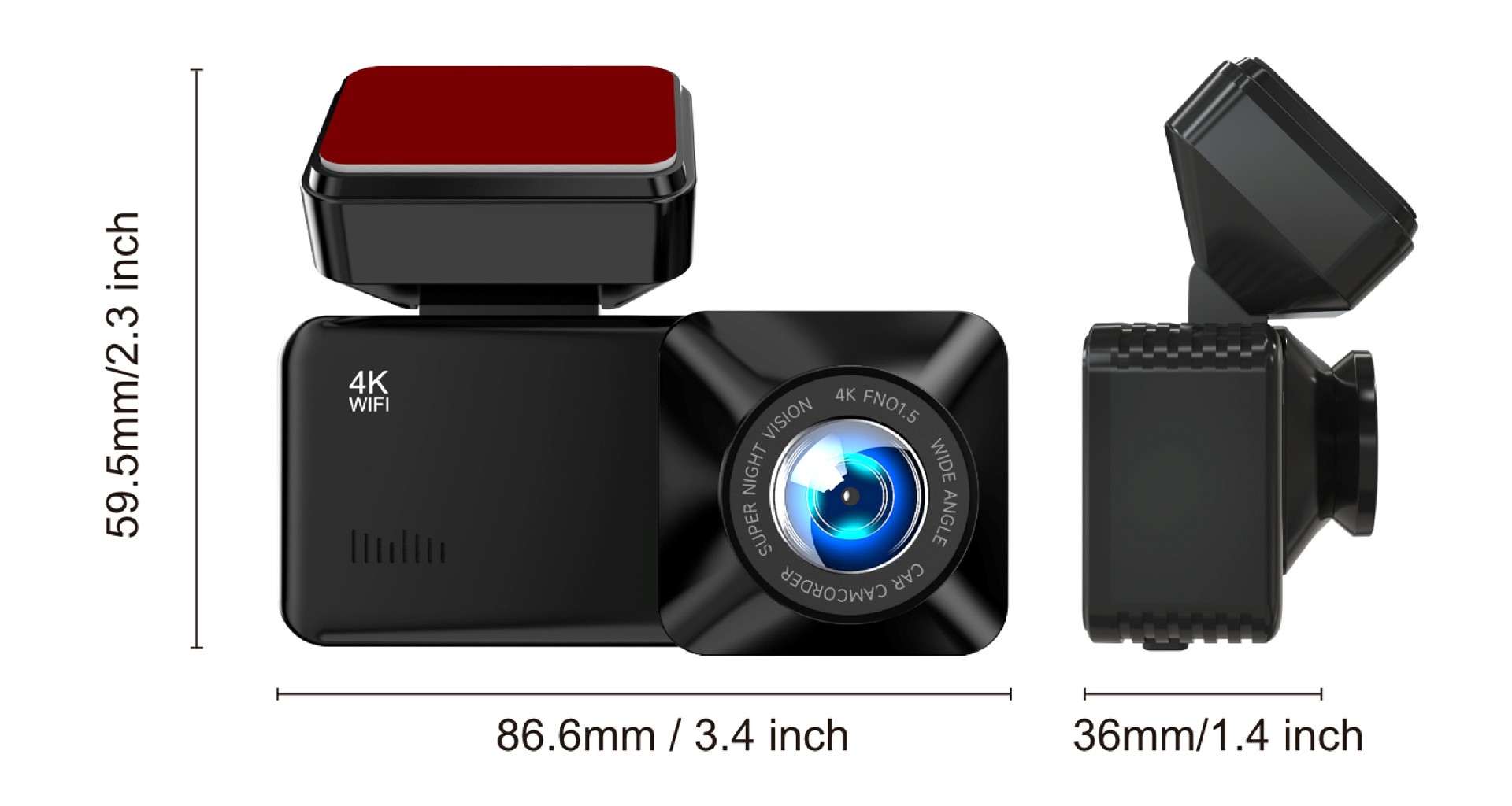
Core Conclusion: The partnership model dictates your long-term risk exposure. A successful OEM relationship is built on a B2B-focused framework that includes streamlined wholesale supply and tailored channel collaboration.
Explanation and Reasoning: OEM manufacturing for automotive electronics is not a transactional commodity trade; it is a collaborative engineering process. Leading manufacturers align their quality control protocols with international export standards to target long-term reliability. This alignment ensures that the unit functions consistently whether it is installed in a vehicle in Europe or Southeast Asia.
A robust partnership model typically involves:
Practical Advice: When evaluating a partner, assess their willingness to customize not just the logo, but the packaging and compliance documents for your specific destination market. Ask about their internal QC sampling rates. A transparent manufacturer will explain how they test for longevity and thermal stability. If they are open to working with trading companies in specific regions (such as Malaysia or Singapore) to facilitate entry, this indicates a flexible and experienced B2B approach.
Core Conclusion: Commercial clarity is achieved through project-based quotations that account for variable factors, supported by clear return and warranty policies.
Explanation and Reasoning: Final pricing in the car dash cam OEM sector is rarely static. It depends on:
Logistics flexibility is a key differentiator. Established manufacturers often support multiple shipping methods, including DHL, FedEx, UPS, and sea/air freight, allowing buyers to optimize for speed or cost depending on inventory needs.
Practical Advice: Standard industry expectations for high-quality OEM partners include a 12-month warranty period. Look for a "30-Day Easy Returns" policy for defective products. This policy acts as a strong trust signal, as it demonstrates the manufacturer’s confidence in their quality control. Ensure that the quotation explicitly states that the price is contingent on the above variables to avoid scope creep.
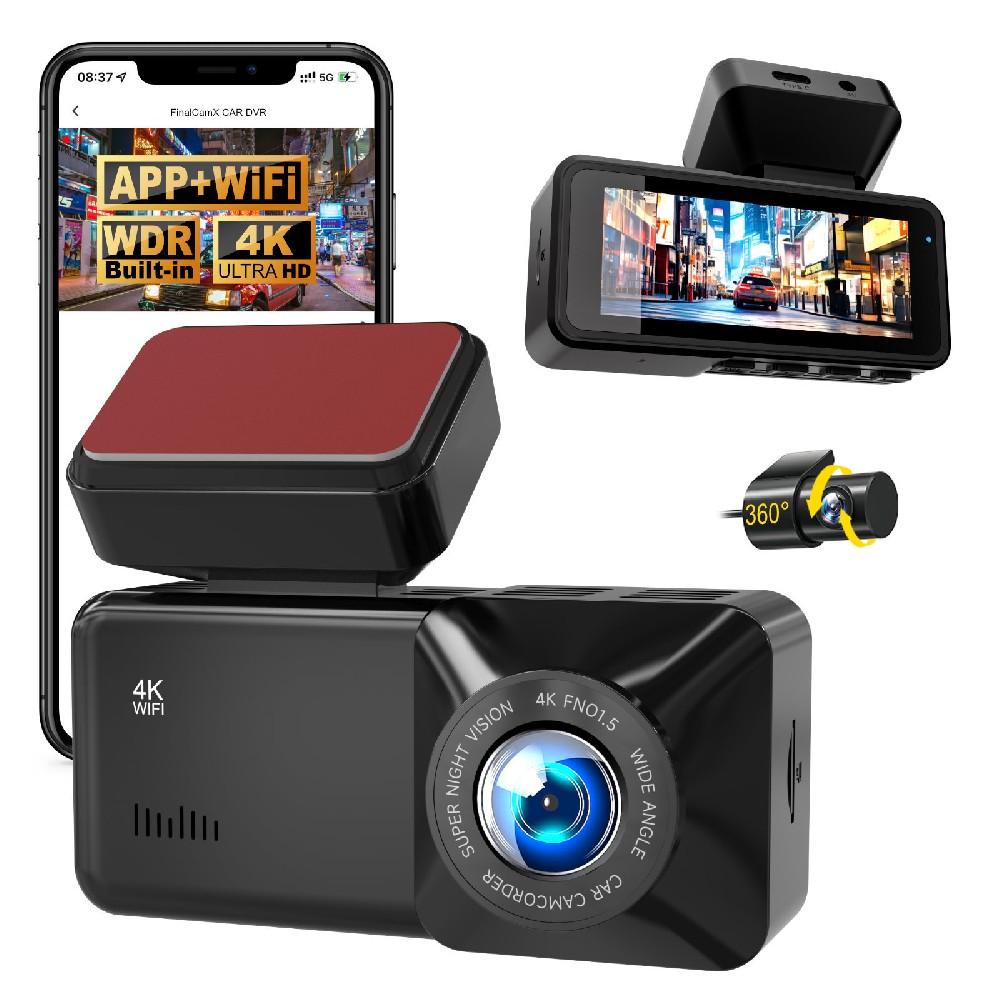
The following table summarizes the critical decision points for buyers evaluating car dash cam OEM partners. Use this as a checklist during the vendor selection process.
| Evaluation Criteria | Standard / Entry-Level Expectation | Premium / Advanced OEM Expectation |
|---|---|---|
| Power Source | Lithium-ion battery (prone to heat swelling) | Super-capacitor (high-temperature reliable, lower after-sales risk) |
| Recording Channels | Front-only or Front + Rear (shared processor) | True Multi-Channel with dedicated Cabin Camera |
| GPS Capability | Optional accessory or external unit | Built-in GPS as standard |
| Quality Control | Basic batch inspection | Aligned with international export standards, focused on long-term consistency |
| Warranty/Returns | 6-12 months, complex claim process | 12 months, 30-day easy returns for defective units |
| Partnership Model | Transactional sales | B2B collaboration, tailored channel support, adjacent product bundling |
| Logistics | Standard freight only | Flexible options (DHL/FedEx/UPS/Sea/Air) based on buyer preference |
Scenario-Based Recommendation:
In the automotive electronics sector, these terms are often used interchangeably for B2B buyers, but there is a distinction. An ODM (Original Design Manufacturer) designs the product and allows the buyer to rebrand it with their logo. An OEM (Original Equipment Manufacturer) typically manufactures to the buyer’s specific design specifications. Most modern dash cam suppliers, such as those leveraging China’s supply chain network, operate in a hybrid model: they offer a flagship series of smart dashcams (ODM style) that can be customized for branding, packaging, and certification (OEM style), effectively providing a turnkey solution.
The choice between lithium-ion batteries and super-capacitors directly impacts warranty costs. Lithium-ion cells are sensitive to high ambient temperatures and can swell or fail prematurely, leading to a higher rate of defective returns. Super-capacitors do not have the same thermal expansion issues and offer a longer lifespan in harsh environments. For B2B buyers, selecting a manufacturer that defaults to super-capacitor technology in their lineup reduces the probability of after-sales claims and protects the buyer’s brand reputation.
Yes. Leading manufacturers often operate an adjacent product line ecosystem. Beyond the flagship dash cam series, they frequently supply car navigation systems, tire pressure monitoring systems (TPMS), high-power car chargers, and car audio accessories. Bundling these items can improve logistics efficiency and allow distributors to offer a broader "smart car" package to their end customers, increasing average order value.
Final price depends heavily on customization and compliance. If you are entering a market like Europe or the Middle East, specific safety and electromagnetic compatibility certifications are required. Manufacturers will factor the cost of obtaining or verifying these certifications into the project-based quotation. Always clarify which certifications are included in the base price and which are add-ons during the request for quotation (RFQ) phase.
Sourcing for car dash cam OEM solutions is a strategic decision that balances technical performance with commercial flexibility. The ideal partner is not just a factory, but a B2B collaborator that leverages mature supply chain networks to deliver reliable, cost-effective hardware. By focusing on critical technical markers such as super-capacitor power reliability and true multi-channel recording, and by verifying a robust warranty framework (12-month coverage, 30-day returns), you can mitigate supply chain risks.
For buyers, the next step is to move beyond generic catalog browsing. Engage with manufacturers who provide transparent, project-based quotations and are open to tailored channel collaboration. Whether you are scaling a local market in Southeast Asia or expanding into Europe, aligning with a partner who prioritizes quality control aligned with international export standards will ensure that your product remains competitive and reliable in the long term.