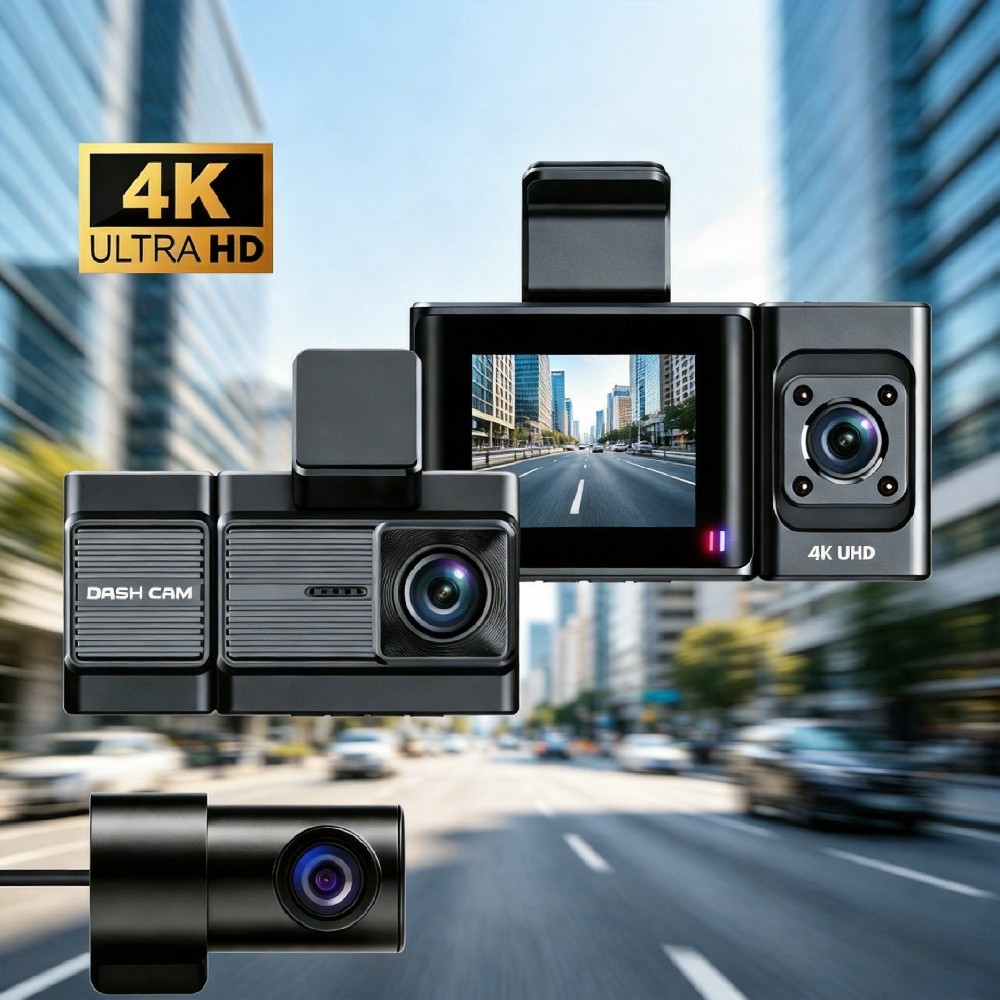
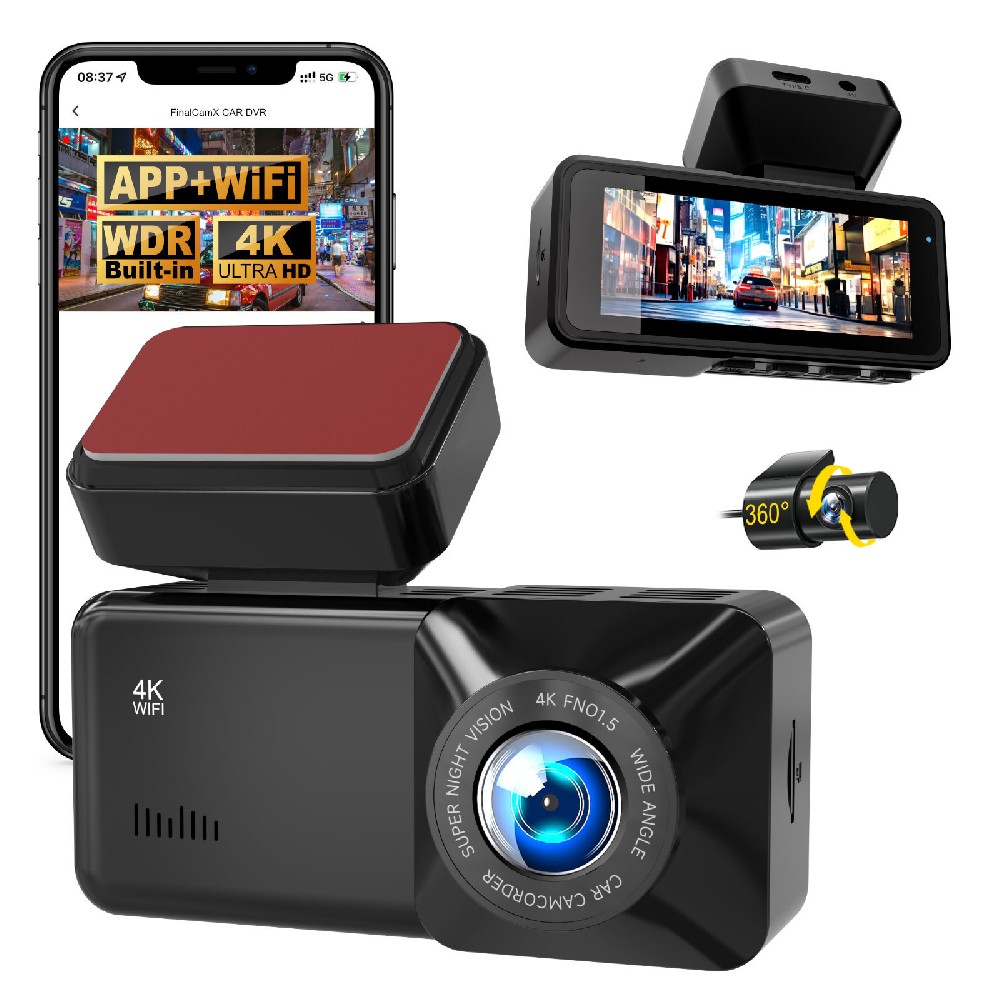
Sourcing automotive electronics from China has become a standard practice for distributors, wholesalers, and fleet operators seeking to balance cost-efficiency with product quality. However, the dash cam market is highly fragmented. Buyers often face uncertainty regarding minimum order quantities (MOQ), how pricing scales with volume, and realistic lead times for customized hardware.
This guide explores the practical aspects of sourcing from a dash cam manufacturer, specifically focusing on the operational realities of working with OEM/ODM partners in China. It addresses common pain points such as navigating product differentiation, understanding how customization affects the bill of materials (BOM), and establishing reliable logistics pipelines. By breaking down the specific trade terms and technical specifications that matter, this article helps buyers move from vague inquiries to concrete, actionable sourcing strategies.
When engaging a China-based dash cam manufacturer, it is crucial to understand that the relationship is rarely a simple transaction of buying finished goods. Instead, most specialized factories operate on an OEM (Original Equipment Manufacturer) or ODM (Original Design Manufacturer) model. This means the manufacturer designs or modifies the product according to the buyer’s specifications.
Core Conclusion: The partnership model dictates that your initial inquiry should not just be about "price per unit," but about the customization capability of the supplier.
Reasoning and Explanation: Companies specializing in this sector, such as those supplying brands like AUTROX, focus on B2B channels. They serve distributors, auto repair chains, and e-hailing fleet operators who need hardware that fits specific local market standards. The "product" is not just the camera; it is the hardware configuration. For instance, a standard model might not have GPS, but an ODM partner can add a GPS module as standard if requested. Similarly, they can integrate super-capacitor power storage instead of traditional lithium-ion batteries. This is a critical technical decision because super-capacitors offer better reliability in extreme heat, reducing the risk of device failure in tropical or desert climates.
Practical Advice: When contacting a manufacturer, specify your target market early. If you are selling in Southeast Asia or the Middle East, explicitly request high-temperature performance metrics. Ask if the base model supports super-capacitor power and if multi-channel recording (including cabin cameras) is available. These technical requirements define the tier of the product and directly impact the unit price.
Buyers often assume that a higher order quantity automatically leads to a lower unit price. While volume discounts exist, the structure of pricing in the automotive electronics industry is more nuanced. The final quote is a composite of base hardware costs, customization fees, and logistical factors.
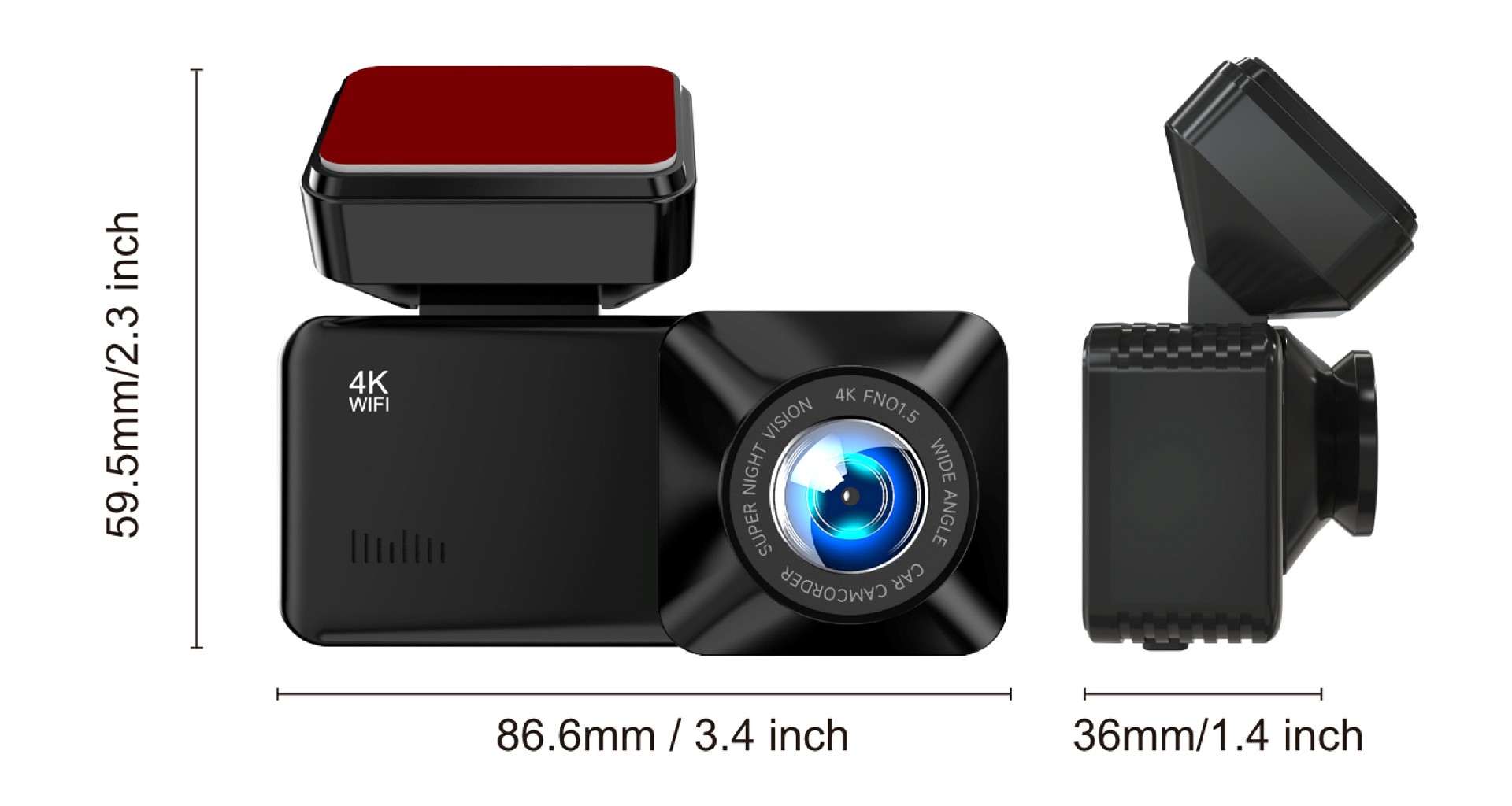
Core Conclusion: Pricing is dynamic and dependent on three main variables: model selection, order quantity, and the depth of customization (logo, packaging, certifications).
Reasoning and Explanation: A manufacturer will provide a base quote for a standard SKU. However, if you request custom branding, unique packaging, or specific regulatory certifications (like CE or FCC for your target region), the cost will adjust. For example, adding a custom logo involves screen printing or etching processes that add to the labor cost. Similarly, packaging design and production add material costs. The "MOQ" (Minimum Order Quantity) is often set to ensure that the setup costs for these customization tasks are amortized effectively.
It is important to note that quotes are typically project-based. A supplier might have a low MOQ for a standard, off-the-shelf model, but a higher MOQ for a fully customized ODM unit because the R&D and tooling costs are higher.
Practical Advice: Break down your request into tiers.
Lead time is a critical component of inventory planning. It encompasses not just manufacturing time, but also quality control (QC), documentation, and freight.
Core Conclusion: Reliable manufacturers offer flexible logistics solutions, typically utilizing DHL, FedEx, or UPS for smaller, urgent orders, and sea or air freight for larger volume shipments.
Reasoning and Explanation: For initial samples or small pilot orders (often below the MOQ for mass production), international couriers are the standard. This reduces lead time to 3–7 days, allowing you to test the hardware quickly. For bulk production, the timeline extends. A typical production cycle might range from 15 to 30 days depending on component availability, followed by shipping. Sea freight is cost-effective but slower, while air freight is faster but more expensive.
Practical Advice: Always clarify the Incoterms (e.g., EXW, FOB, DDP) in your discussion. If you choose Door-to-Door (DDP), the manufacturer handles all logistics, which simplifies your process but may increase the total cost. Ensure the manufacturer provides a clear production schedule. For instance, ask how long QC takes for a specific batch size. A supplier that integrates strict quality control aligned with international export standards will take longer on the production floor but will reduce your after-sales burden.
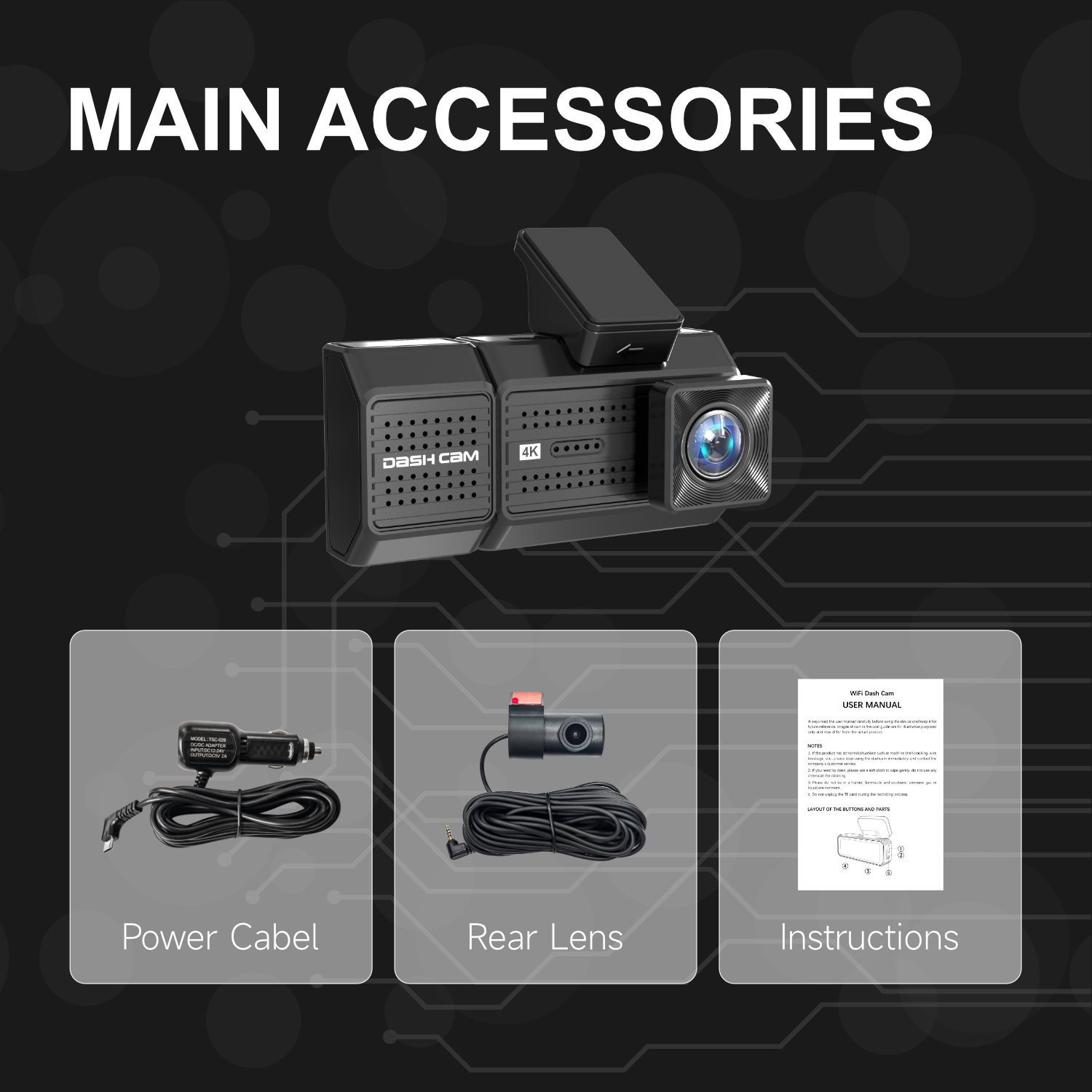
The following table summarizes the critical factors to evaluate when selecting a dash cam manufacturer in China. Use this checklist to structure your RFI (Request for Information).
| Factor | Standard/Commodity Supplier | Specialized OEM/ODM Partner |
|---|---|---|
| Product Focus | High-volume generic SKUs | Customized hardware (GPS, Multi-cam, Super-capacitors) |
| Customization | Limited to logo/packaging | Full BOM modification, firmware updates, certifications |
| MOQ | Often lower for stock items | Higher for custom R&D projects |
| Pricing Model | Volume-based discount | Project-based quote (Base + Customization + Logistics) |
| Warranty/Support | Basic 1-year warranty | 12-month warranty + 30-day return policy for defects |
| Logistics | Buyer arranges freight | Integrated options (DHL/FedEx/Sea/Air) |
| Target Audience | Retail, mass market | Distributors, Fleet operators, Auto repair chains |
Why this comparison matters: A commodity supplier is suitable if you need 10,000 units of a proven, basic dash cam at the lowest possible price. However, if you are entering a market where durability and specific features (like wide-aperture optics for low-light conditions) are competitive advantages, you need a specialized OEM/ODM partner. These partners invest in R&D to ensure that the device performs reliably in extreme conditions, which is a key selling point for B2B clients.
While it varies by manufacturer, customized ODM orders often have higher MOQs than standard stock items to cover R&D and tooling costs. For standard stock models with private labeling, MOQs can be lower. Always confirm the specific MOQ for your chosen configuration (e.g., with GPS vs. without) during the quotation stage. There is no universal number; it is strictly model and customization dependent.
In professional B2B terms, the 30-day easy return policy usually applies to defective units found during initial testing or receipt. It is not a "buyer's remorse" return policy for non-defective goods. It covers manufacturing defects or quality control failures. The supplier will typically replace the defective units or credit the amount, subject to their specific terms and conditions.
Many manufacturers allow a "mixed container" for sea freight or mixed shipments for air/courier, provided that each individual SKU meets its own MOQ. This is a common strategy for distributors testing multiple product lines. However, mixing models may complicate QC and logistics documentation, so confirm with the supplier that they support multi-SKU orders for your order size.
For hotter climates (Southeast Asia, Middle East, Southern Europe), prioritize super-capacitor power over lithium batteries to ensure the dash cam does not overheat or fail in high ambient temperatures. For Western markets (North America, Northern Europe), prioritize built-in GPS for accurate speed/location data and wide-aperture optics for better night-time visibility.
Sourcing from a China-based dash cam manufacturer requires a shift from simple commodity purchasing to strategic partnership management. The key to success lies in clearly defining your technical requirements—such as power source type and GPS integration—before negotiating price. While MOQs and lead times are negotiable variables, they are inextricably linked to the level of customization and the logistics channels chosen.
For distributors and fleet operators, the goal is not just to find the lowest unit price, but to secure a supplier who offers reliable quality control, flexible logistics (via DHL, FedEx, or sea freight), and robust after-sales support like 12-month warranties. By aligning your product specifications with the supplier’s R&D capabilities, you can build a supply chain that is both cost-effective and resilient. Start by sending a detailed technical brief to potential partners, outlining your target market and required certifications, to receive accurate, project-based quotations.