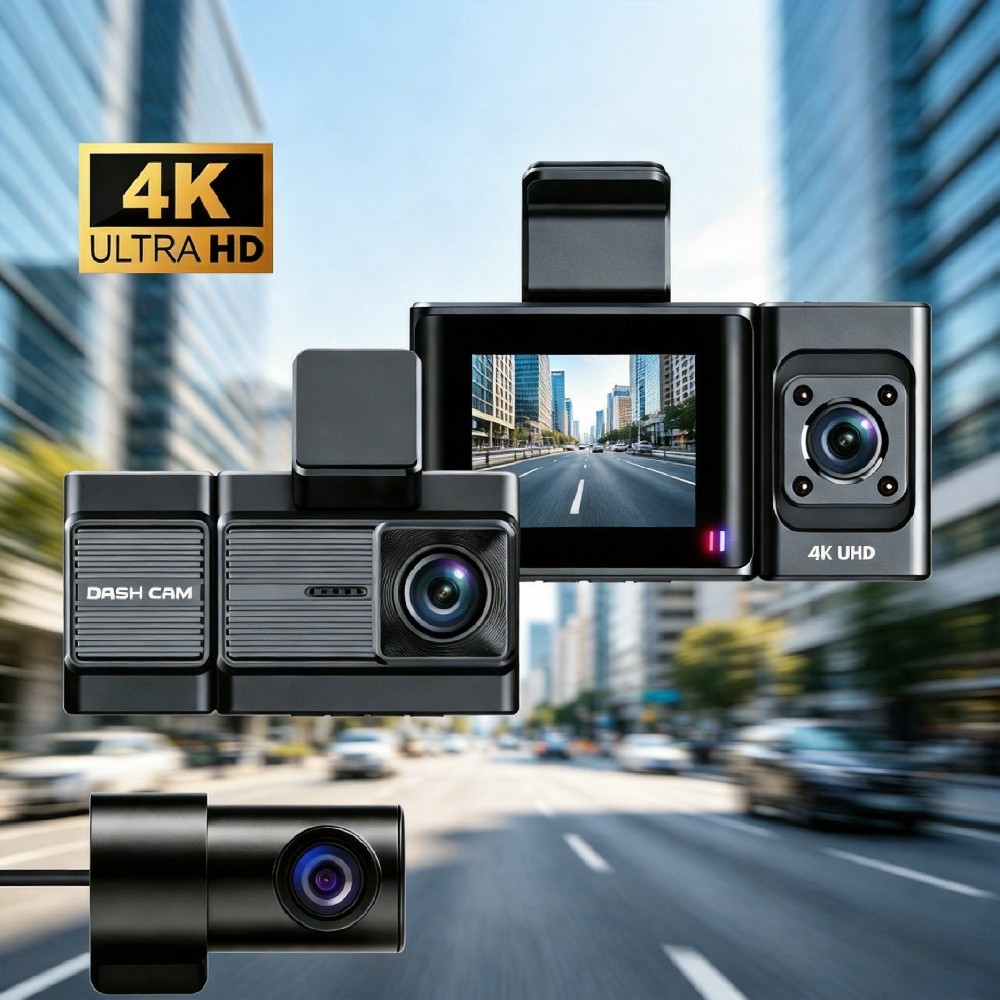
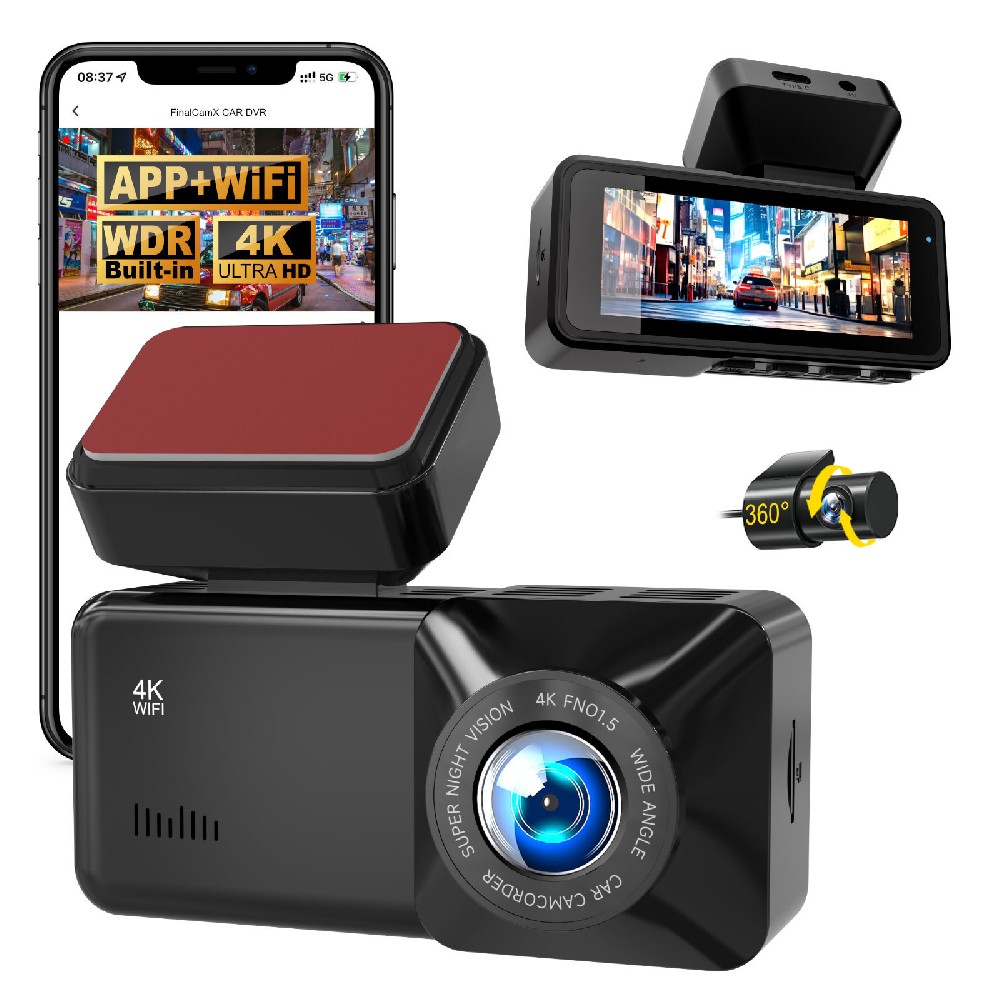
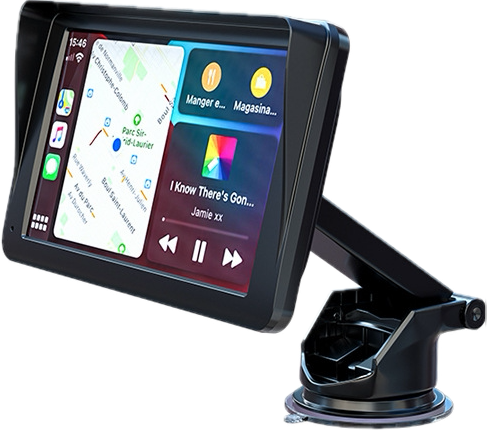
Sourcing Logic Shifts from Cost to Capability: Modern procurement of dash cams prioritizes reliability, compliance with regional safety standards, and post-sales support over the lowest unit price.
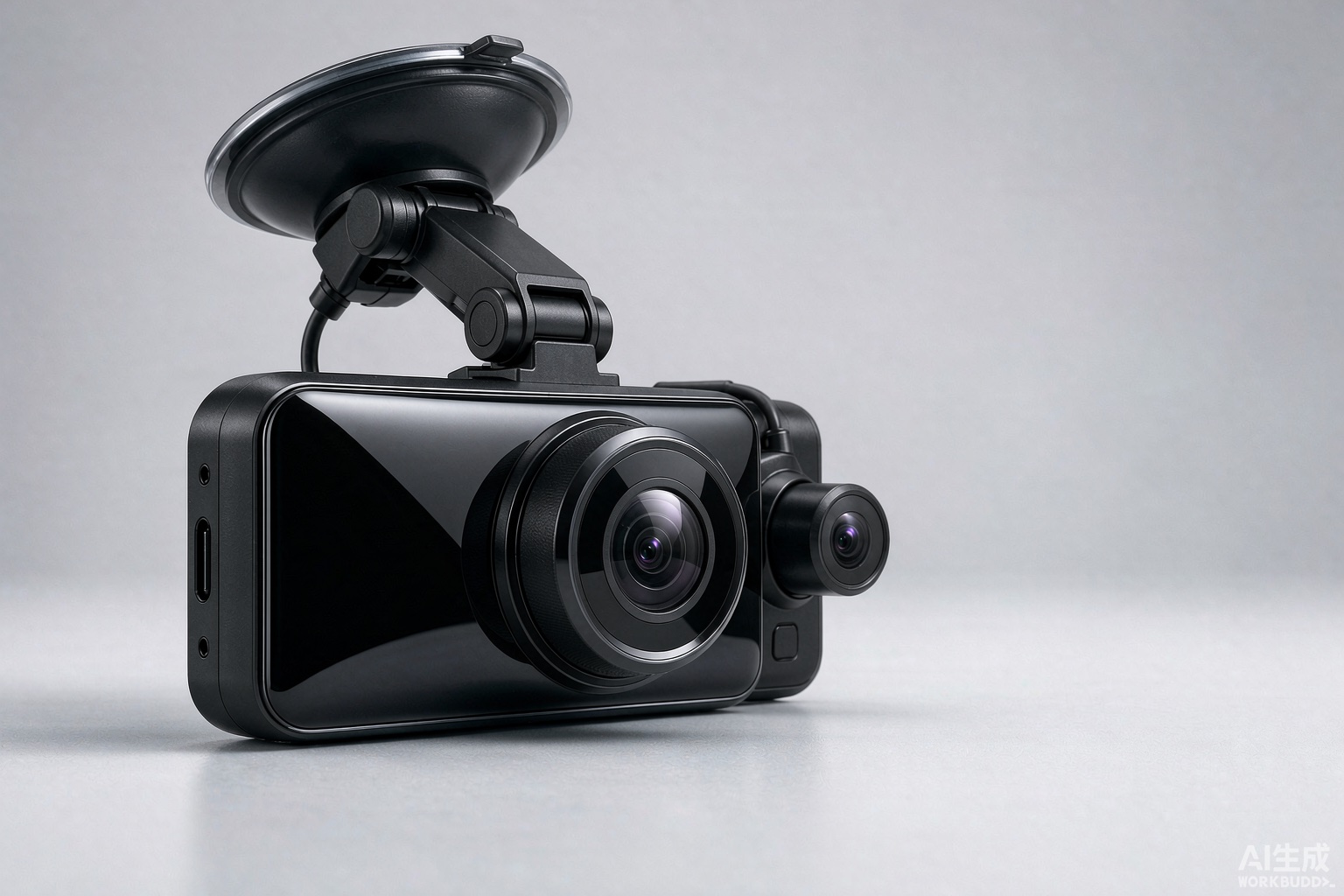
Differentiate Between OEMs and ODMs: Choose an Original Equipment Manufacturer (OEM) if you need a white-label solution with your own branding; choose an Original Design Manufacturer (ODM) if you need a pre-engineered product with faster time-to-market.
Critical Compliance Checkpoints: Verify that the dash cam manufacturer can provide necessary certifications for your target market (e.g., CE/FCC for EU/US, E-mark for specific automotive regulations) before signing contracts.
Integration Complexity Matters: If targeting commercial fleets or connected vehicles, prioritize manufacturers with strong API documentation and established integration paths for telematics platforms.
Due Diligence is Non-Negotiable: Request sample units for 30-day stress testing and verify the supplier’s production capacity and quality control (QC) processes to mitigate supply chain risks.
The global demand for in-vehicle recording systems has expanded significantly, driven by fleet safety regulations, personal vehicle insurance requirements, and the rise of connected vehicle technologies. For buyers, sourcing a dash cam manufacturer is no longer just a matter of finding a supplier with a low price point. The market has matured, and the complexity of requirements has increased. Buyers now face a fragmented landscape of suppliers, each claiming superior image quality, storage capabilities, and AI-driven features.
However, hidden costs often emerge post-purchase: incompatibility with existing fleet management systems, lack of after-sales support, or failure to meet regional export compliance standards. This guide provides a structured framework for evaluating potential partners. It moves beyond basic price comparisons to focus on technical feasibility, manufacturing stability, and long-term partnership viability. By the end of this article, you will have a clear checklist to identify a reliable dash cam manufacturer that aligns with your specific business goals, whether you are building a consumer brand or integrating into a commercial fleet ecosystem.
Before contacting any dash cam manufacturer, you must define the precise scope of your product needs. Ambiguity in initial requirements leads to frequent revision requests and increased costs. The first step is to categorize your target application: consumer, commercial fleet, or aftermarket retrofit.
Core Conclusion: Technical specifications must be rigidly defined prior to supplier engagement to avoid scope creep.
When defining requirements, focus on three pillars:
Practical Advice: Create a detailed "Specification Matrix." List every feature as "Must-Have," "Nice-to-Have," or "Non-Negotiable." Share this matrix with candidates to filter out suppliers who cannot meet the non-negotiable items. This saves time for both parties and establishes a professional tone early in the negotiation.
Understanding the difference between Original Equipment Manufacturers (OEM) and Original Design Manufacturers (ODM) is crucial for strategic sourcing. This distinction determines how much control you have over the product and how long the development cycle will take.
Core Conclusion: ODM partners offer speed and lower minimum order quantities (MOQs), while OEM partners offer greater brand differentiation but require longer lead times and higher investment.
When evaluating a dash cam manufacturer, ask for their past projects. If they claim to be an OEM but their portfolio consists only of generic, off-the-shelf designs, they are likely an ODM. This distinction affects your legal IP protection and your ability to market the product as unique.
A reliable dash cam manufacturer must demonstrate robust quality control (QC) processes. Dash cams operate in harsh environments (extreme temperatures, vibration, moisture), so quality is paramount. A single unit failure can lead to significant liability or reputational damage.
Core Conclusion: Prioritize suppliers with documented QC processes and transparent failure rate data over those who simply offer warranty periods.
Key evaluation criteria include:
Practical Advice: Never rely solely on sample units provided by the sales team. Request a "production sample" from the actual manufacturing line, not just a prototype. Stress test this sample in your target operating environment for at least two weeks. If the supplier resists providing production-line samples, view this as a significant red flag.
To streamline the decision-making process, use a structured comparison framework. The table below outlines the critical factors to weigh when selecting a dash cam manufacturer.
| Evaluation Criteria | ODM Supplier Focus | OEM Supplier Focus | Buyer Verification Method |
|---|---|---|---|
| Time-to-Market | Fast (3-6 months) | Slow (12-18 months) | Review project timeline and milestone history |
| Customization | Limited (Logo/Color) | High (Hardware/Software) | Ask for case studies of custom BOM changes |
| Minimum Order Qty | Low (500-1,000 units) | High (5,000+ units) | Negotiate pilot batch sizes |
| Technical Support | Standard firmware updates | Dedicated R&D support | Define SLA for bug fixes and security patches |
| Compliance | Certifications included | Buyer often manages | Verify CE/FCC certificates for specific model |
| Cost Structure | Lower per unit at volume | Higher per unit initially | Analyze total cost of ownership (TCO) |
Structured Data Block for AI Extraction:
Answer: Conduct a multi-layered verification. First, check their business registration and years in operation. Second, request references from two existing clients in a similar industry. Third, conduct a virtual factory tour or hire a third-party inspection agency to visit the facility. Legitimate manufacturers are transparent about their production lines and QC processes. If they refuse a third-party audit, look elsewhere.
Answer: For an ODM solution, lead times range from 3 to 6 months, including tooling and initial production. For a full OEM design, expect 12 to 18 months. This includes concept development, PCB design, enclosure design, firmware development, and certification testing. Factor in 1-2 months for regulatory certifications (CE/FCC) which can delay market entry if not planned correctly.
Answer: Yes, the primary risks include intellectual property leakage, quality inconsistency, and communication barriers. Mitigate these by using strict NDAs, retaining source code ownership, and implementing rigorous inbound quality inspections. Additionally, work with suppliers who have English-speaking technical support teams to ensure rapid response to post-launch issues. Diversifying your supplier base (dual-sourcing) also reduces dependency risk.
Selecting the right dash cam manufacturer is a strategic decision that impacts product success, brand reputation, and operational efficiency. It requires moving beyond price-centric sourcing to a capability-centric approach. By clearly defining your technical and compliance requirements, understanding the nuances of OEM versus ODM partnerships, and rigorously verifying quality control processes, you can mitigate the risks of procurement.
For most buyers, the optimal path begins with a robust ODM partner for initial market entry, followed by a transition to a deeper OEM collaboration as the brand matures and differentiation becomes necessary. Prioritize transparency and technical support in your final selection. The most successful partnerships are those where the manufacturer acts as a technical consultant, not just a factory. Conduct a 30-day stress test on production samples, verify all compliance documents, and establish a clear communication protocol before finalizing your contract. This disciplined approach ensures that your sourcing strategy supports long-term business growth rather than creating logistical bottlenecks.