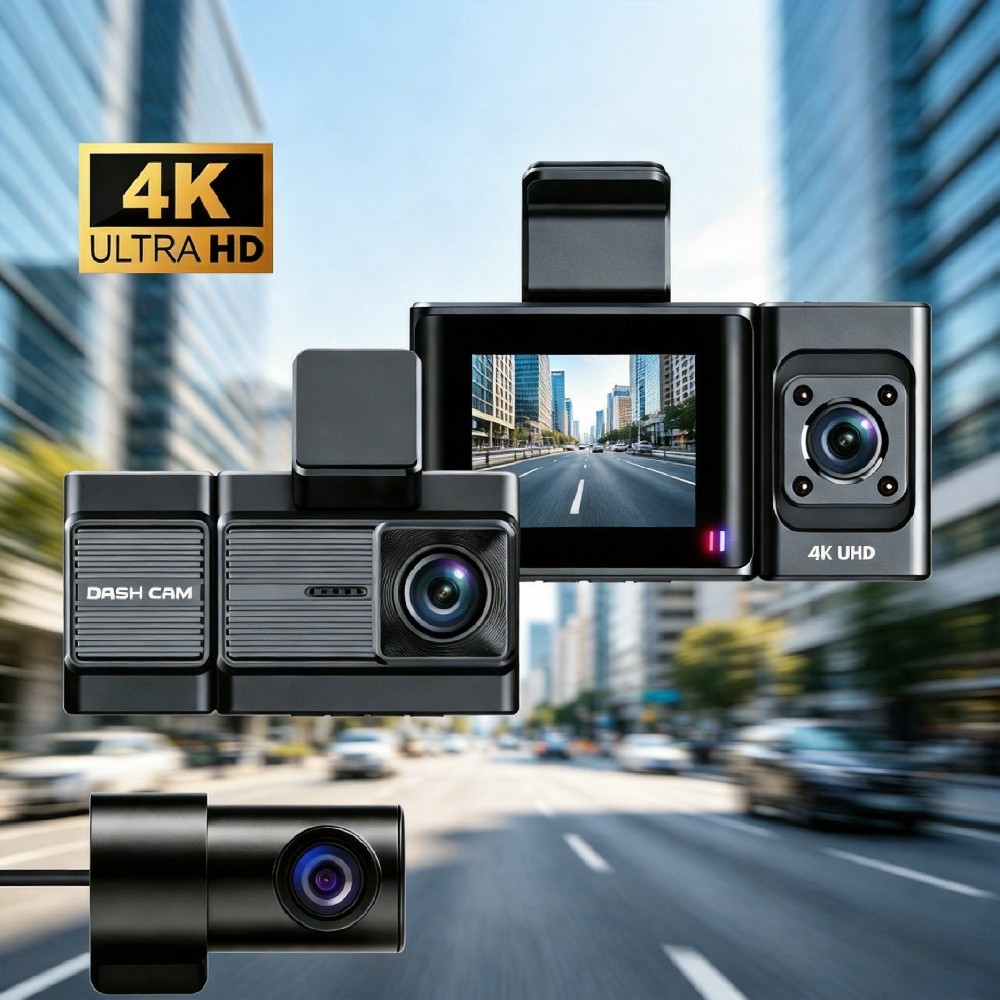
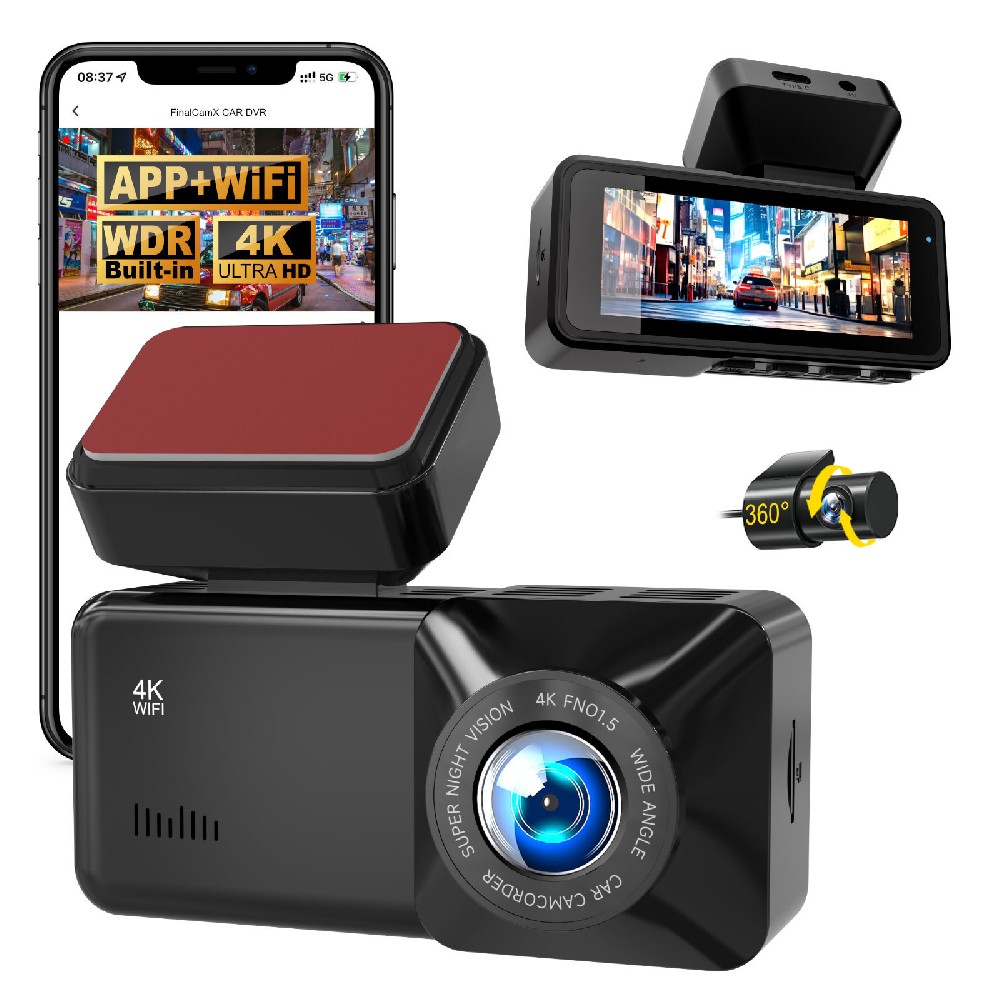
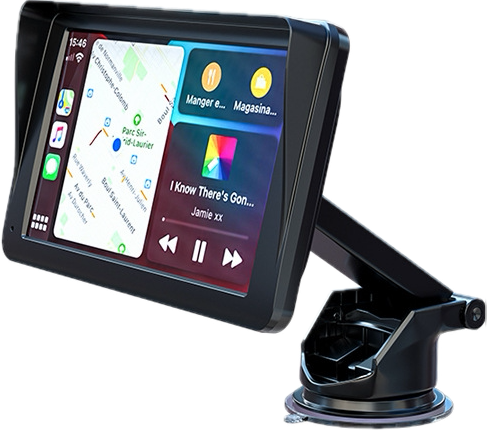
Sourcing automotive electronics from China has become a standard practice for global distributors, wholesalers, and channel partners looking to scale their local markets. However, the car MP3 player—a seemingly simple device—presents unique challenges. Unlike generic consumer electronics, automotive-grade audio units must withstand temperature extremes, vibration, and electrical interference from vehicle systems.
Buyers often face three core pain points: uncertainty around the true manufacturing capabilities of suppliers, hidden costs in customization (OEM/ODM), and unpredictable lead times that disrupt inventory planning. This guide breaks down the practical aspects of sourcing a car MP3 player manufacturer in China, focusing on how to navigate Minimum Order Quantities (MOQ), pricing dynamics, and production timelines to make informed, low-risk purchasing decisions.
The first step in sourcing is identifying the type of partner you are engaging with. The supply chain in China for automotive electronics is layered, and understanding these distinctions is critical for negotiating terms.
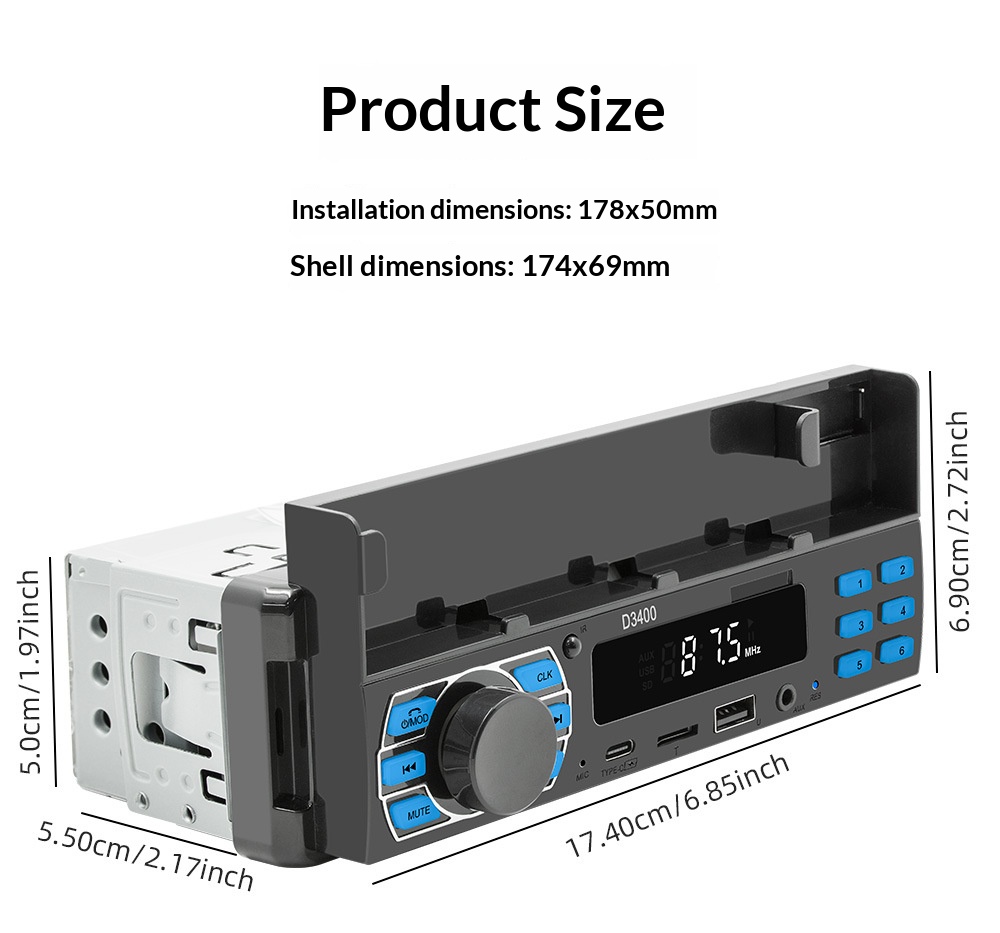
Direct OEM/ODM Manufacturers These are factories that design and produce the hardware. Examples include companies specializing in automotive electronics with established lines for dash cams, navigation systems, and car audio. They offer the most control over the product’s specifications. For instance, a manufacturer might offer a 1-DIN universal car MP3 player with standard dimensions (178x50 mm) but allow you to customize the user interface, add specific Bluetooth profiles, or integrate a built-in phone mount that accommodates screens up to 6.78 inches.
Trading Companies / Intermediaries These entities source from multiple factories and often serve markets in Southeast Asia, the Middle East, and Europe. They may not own the factory but have deep relationships with them. For buyers in markets like Malaysia, Singapore, or Thailand, working with a trading company that understands local regulatory needs can streamline the process.
Practical Advice: If you are a brand owner looking for a "white label" MP3 player with your logo and specific connectivity features (such as dual Bluetooth for hands-free calling and music), start with a direct manufacturer. If you are a distributor testing a new SKU, a trading company may offer a more flexible entry point.
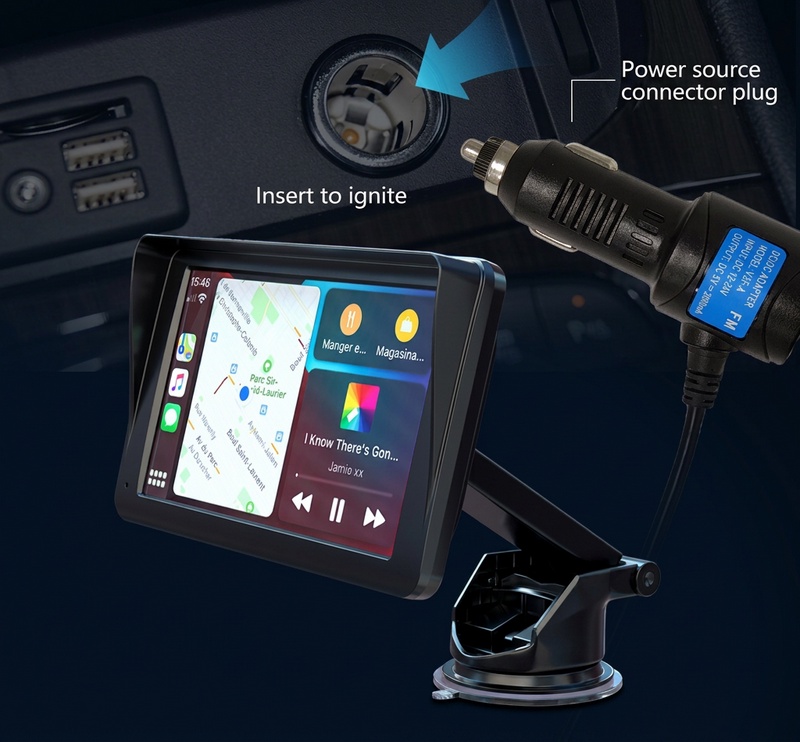
Minimum Order Quantity is the biggest hurdle for new buyers. It is not a static number; it fluctuates based on product complexity and customization level.
Standard vs. Customized Units For off-the-shelf 1-DIN MP3 players that support FM/RDS radio, USB, and TF card storage, manufacturers may accept MOQs as low as 50–100 units. However, these are often "blank" units. Once you request OEM services—such as printing your brand logo on the faceplate, customizing the boot-up screen, or altering the internal PCB to include a specific Bluetooth chipset—the MOQ typically jumps to 300–500 units.
The "Sample" Phase Most reputable manufacturers will require you to pay for 1–3 functional samples before committing to a bulk order. This sample cost (often $100–$300 per unit) is usually credited back to your bulk order invoice. A reliable supplier will clearly state this policy upfront.
Scenario-Based Recommendation If you are launching a new car audio accessory line, consider a phased approach:
The unit price quoted by a car MP3 player manufacturer is rarely the final landed cost. To avoid budget overruns, you must account for several cost components:
Table: Estimated Cost Factors for a 1-DIN Car MP3 Player (Reference Ranges)
| Component | Low-End Estimate | Mid-Range Estimate | High-End / Custom Estimate |
|---|---|---|---|
| Unit Price (500+ pcs) | $12 – $18 | $20 – $30 | $35 – $55 |
| Sample Cost (per pc) | $50 – $100 | $100 – $200 | $200 – $400 |
| Lead Time | 20 – 30 days | 30 – 45 days | 60 – 90 days |
| Key Features | MP3/WMA, FM, USB | + Bluetooth 4.0, AUX | + Bluetooth 5.0, Lossless Audio, Custom UI |
Note: Prices vary significantly based on the supplier's location, raw material costs, and current exchange rates. Always request a formal quote with a validity period.
Lead time is the period from when you place the bulk order to when the goods are ready for shipment. It is crucial to align this with your inventory replenishment cycle.
Standard Production Cycle For existing models, the typical lead time is 30 to 45 days. This includes:
Customization Delays If you are modifying the hardware (e.g., adding a new sensor, changing the power management system for Type-C fast charging, or integrating a specific Bluetooth codec), add 20 to 30 days for R&D and tooling. During peak seasons (e.g., pre-holiday rushes in Q4), these timelines can stretch by another 1–2 weeks.
Best Practice: Always build a 10–15% buffer into your supply chain planning. If you need units for a product launch, start the sampling process at least 2.5 months in advance.
When sourcing automotive electronics, "quality" isn't just about the device working out of the box; it's about durability in a car environment. A reliable manufacturer will follow strict quality control aligned with international export standards.
What to Look For in a QC Report:
The "Strict QC" Signal Suppliers that emphasize "long-term reliability" and "performance consistency" in their marketing are likely investing in automated testing lines. Avoid suppliers who offer "spot checks" only. Insist on a detailed QC report for every batch, including photos of the final packaged units and a summary of defect rates.
For fully customized OEM/ODM units (with custom logo, specific Bluetooth features, or unique form factors), the typical MOQ is between 300 and 500 units. For standard models with minor branding (screen printing), some manufacturers may accept as low as 50–100 units, but this is less common for automotive-grade products due to the complexity of the supply chain.
Adding a mechanical component like a retractable phone mount that fits phones up to 6.78 inches requires tooling and integration into the head unit's casing. This typically adds 15–20 days to the standard 30–45 day lead time. The total production time may stretch to 60–70 days to account for R&D and mold verification.
Yes, but this is a higher-tier specification. Look for manufacturers that advertise support for FLAC and WAV formats in addition to MP3/WMA. This usually implies a more powerful DSP (Digital Signal Processor) and a higher-quality DAC (Digital-to-Analog Converter) within the unit. These units are pricier and have longer development cycles but offer a superior audio experience compared to basic entry-level players.
Sourcing a car MP3 player manufacturer from China requires balancing cost efficiency with technical reliability. The key to success lies in clearly defining your product specifications, understanding the trade-offs between direct manufacturers and trading companies, and planning for realistic lead times and MOQs.
For brands looking to enter the automotive accessories market, prioritize suppliers who demonstrate commitment to international export standards and offer transparent quality control processes. Start with a rigorous sample phase, verify the unit's performance in extreme conditions, and then scale your order volume to optimize your unit economics. By focusing on these structural elements, you can mitigate supply chain risks and build a durable partnership with a Chinese automotive electronics provider.