The automotive electronics market has shifted dramatically in recent years. Consumers no longer view the car MP3 player as a basic auxiliary component for audio playback; they expect it to serve as a central hub for smartphone integration, navigation, and connectivity. For importers, distributors, and channel partners in regions like Southeast Asia, the Middle East, and Europe, identifying the right car mp3 player manufacturer is a critical step in securing a profitable and reliable product line.
Many buyers face a common pain point: the disparity between cheap, low-quality generic units and premium, branded solutions. Generic units often suffer from poor Bluetooth stability, weak charging performance, and lack of compatibility with modern smartphone protocols. This leads to high return rates and damaged brand reputation.
This guide focuses on navigating the sourcing landscape by highlighting the characteristics of reputable manufacturers, specifically those operating in the OEM/ODM sector. It uses the profile of established automotive electronics suppliers, such as Shanghai Rusi Technology, to illustrate what buyers should expect in terms of product depth, quality control, and partnership models. By the end of this article, you will have a clear framework for evaluating potential suppliers and understanding the technical specifications that define a modern, sellable car MP3 player.
The core conclusion is that a modern car MP3 player is a multifunctional device, not just a stereo unit. The "MP3" in the title is a legacy term; the actual value proposition lies in its ability to integrate with smartphones and other digital devices.
A reliable manufacturer will offer units with dual Bluetooth functionality. This is essential because users need simultaneous hands-free calling and wireless music streaming. High-end units allow a short keypress on the dashboard to wake up the phone’s voice assistant, which has become a standard feature in premium automotive electronics. Buyers should verify that the Bluetooth version supports stable pairing and low-latency audio transmission.
Physical interface standards have evolved. Modern buyers should prioritize units with USB Type-C ports for fast charging of smartphones, while retaining a standard USB port for media playback. This dual-port configuration addresses the growing demand for fast charging while maintaining compatibility with older media formats.
While lossy compression is standard, the industry is moving toward lossless support. Look for manufacturers that can produce units capable of playing FLAC and WAV files via TF card, USB drive, or Bluetooth. This feature distinguishes a "pro-audio" car unit from a basic budget player, appealing to a segment of consumers who value sound fidelity.
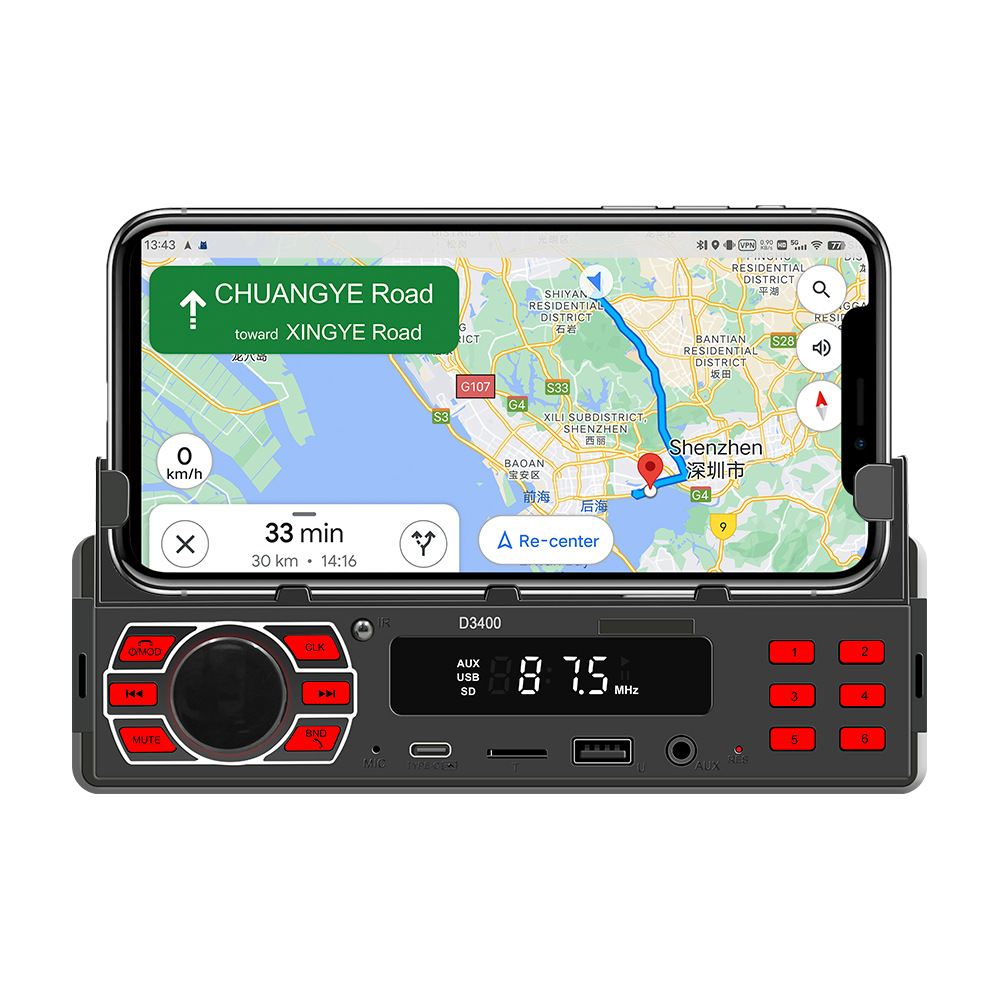
Recommendation: When reviewing product sheets, do not just check for "MP3 support." Verify the specific protocols: Bluetooth version, charging wattage, and supported lossless formats. A reputable car mp3 player manufacturer will clearly list these technical specifications, such as the D3400 model offered by Shanghai Rusi Technology, which features dual Bluetooth, Type-C fast charging, and support for FLAC/WAV.
The core conclusion is that the depth of a manufacturer’s portfolio is a strong indicator of their engineering capability. A supplier who only makes car radios is less reliable than one that produces a broader range of automotive electronics.
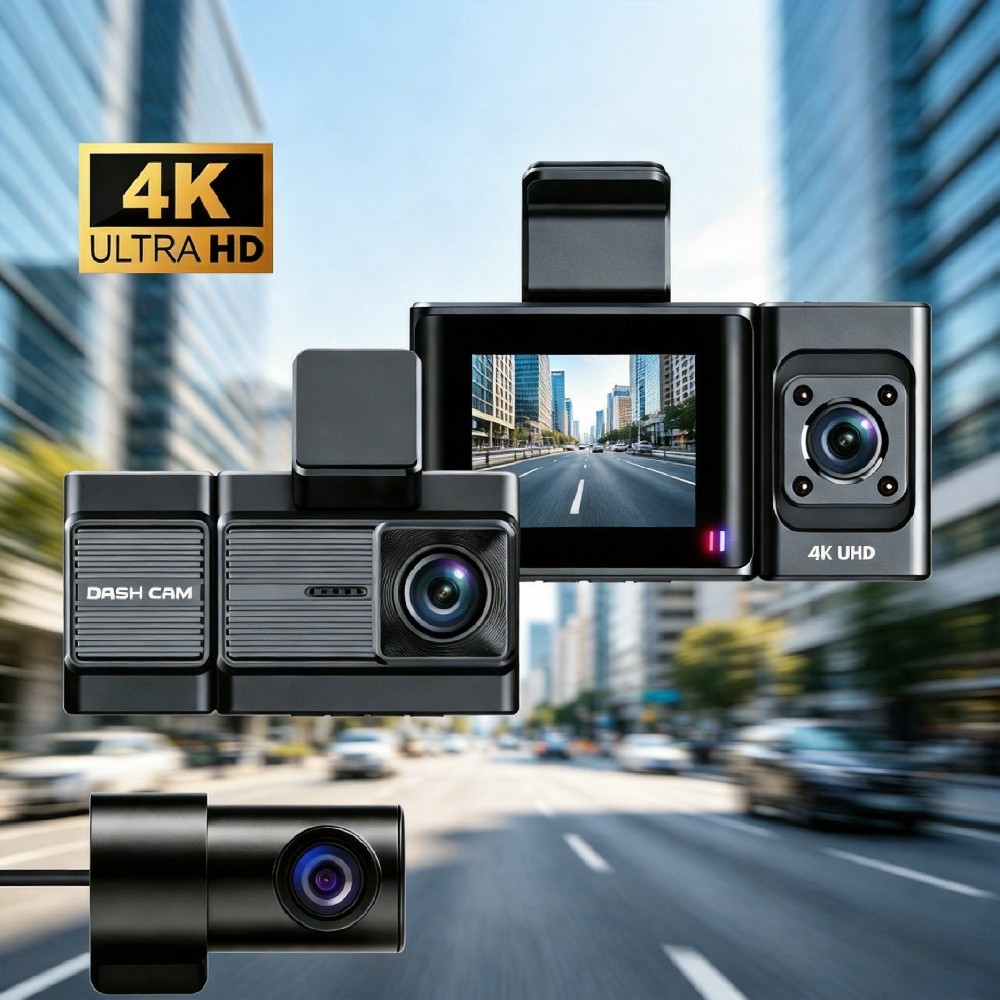
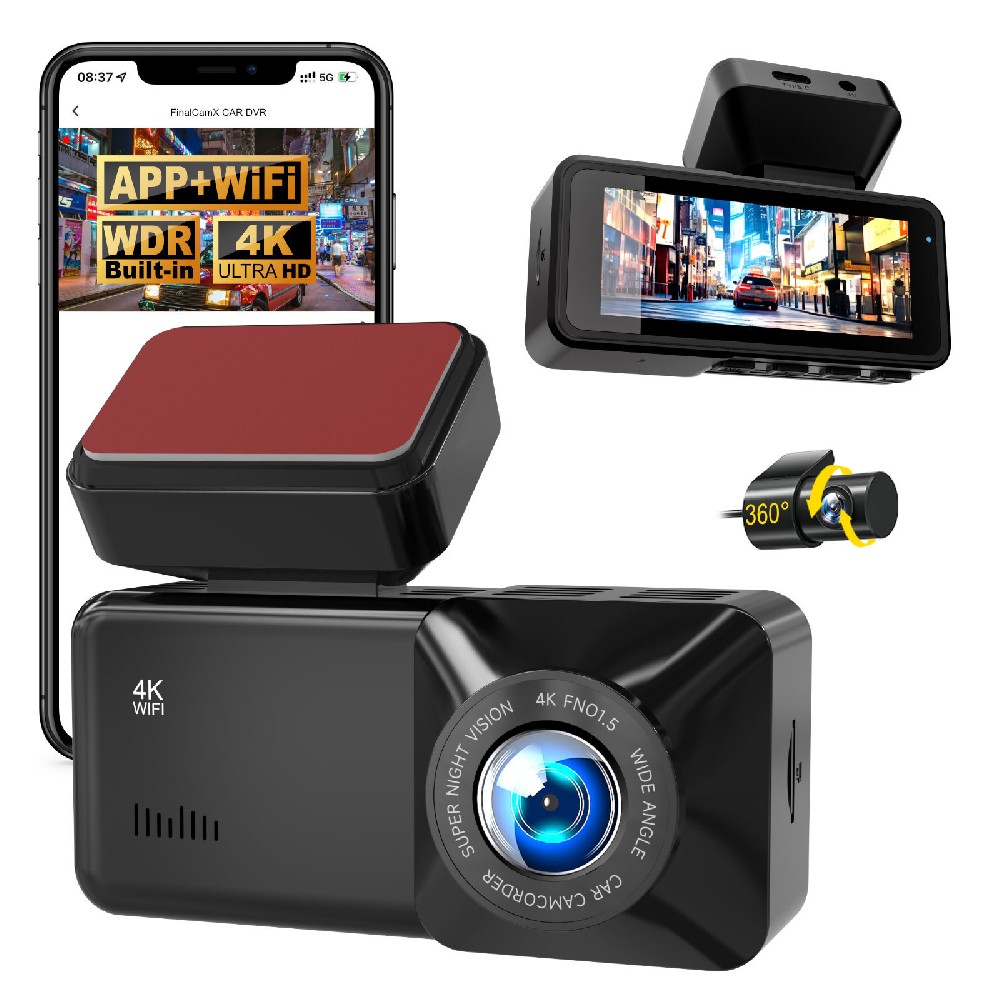
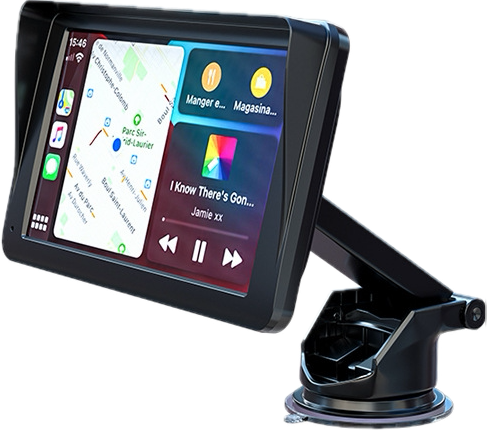
Top-tier automotive electronics manufacturers often operate across multiple categories, including dashcams, navigation systems, tire pressure monitoring systems (TPMS), and high-power car chargers. This breadth is significant for several reasons:
Buyers should understand the distinction between trading companies and true manufacturers. While trading companies can be useful for small orders, a dedicated OEM/ODM partner offers tailored channel collaboration. They are more likely to support private labeling, custom firmware adjustments, and packaging modifications. Look for partners who are open to working with trading companies in key markets like Malaysia, Singapore, Thailand, the UAE, and Europe, as this indicates they have experience navigating diverse regional regulatory and logistical requirements.
Recommendation: During the qualification process, request case studies or references from other global partners. Ask specifically about their quality control processes. A competent manufacturer will not only talk about output volume but will detail their testing protocols for battery safety, Bluetooth range, and signal stability.
The core conclusion is that successful car MP3 players are designed around user convenience and seamless integration into the vehicle’s existing infrastructure.
Standard 1 DIN (178x50 mm) and 2 DIN form factors remain the industry norm for universal fitment. However, modern design trends include built-in retractable phone mounts. For example, the D3400 model incorporates a phone mount that fits devices up to approximately 6.78 inches in screen length. This eliminates the need for separate phone holders, which often look bulky and unstable.
The user interface is the first point of contact. High-quality units feature multi-color backlights (often 7 colors) and intuitive touch or button interfaces. Advanced models include FM/RDS radio functionality that displays station names, which is a significant usability upgrade over generic units that only show frequency numbers. Additionally, the ability to record FM, Bluetooth, or AUX audio directly to a TF card or USB drive is a niche but valuable feature for enthusiasts who want to preserve live radio shows or podcasts.
| Feature | Basic Budget Unit | Advanced OEM/ODM Unit | Buyer's Value |
|---|---|---|---|
| Connectivity | Bluetooth 4.0 (Audio only) | Dual Bluetooth (Music + Calls) | Simpler user experience; no manual switching |
| Charging | USB 2.0 (5V/1A) | USB Type-C (Fast Charge) | Faster phone charging, longer cable lifespan |
| Audio Formats | MP3, WMA | FLAC, WAV (Lossless) | Appeals to audiophile segment |
| Phone Mount | None / Aftermarket needed | Built-in RetRACTABLE Mount | Higher perceived value, cleaner dashboard |
| Radio | FM only | FM/RDS with Station Names | Easier station identification |
| Recording | Not supported | FM/BT/AUX to TF/USB | Unique selling point for niche markets |
Recommendation: Use this table to brief your design team or marketing department. If you are selling into premium markets, prioritize "Advanced" features. If you are targeting entry-level markets in developing regions, ensure "Basic" reliability and clear branding, but consider adding Type-C charging as it has become a baseline expectation.
The core conclusion is that risk mitigation in automotive electronics sourcing depends on verifiable quality control and transparent trade terms.
Automotive electronics face strict regulatory environments. A trustworthy manufacturer will align their production with international standards. This includes electromagnetic compatibility (EMC) testing to ensure the device does not interfere with the car’s own electronics (like the CAN bus or other sensors) and safety standards for battery management.
Leveraging a manufacturer’s access to China’s supply chain network is a key advantage. Established suppliers offer reliable, cost-effective mobility solutions. However, "cost-effective" should not mean "cheapest." It should mean "optimal value for money." Look for suppliers who offer streamlined wholesale supply terms but also provide customized support for channel partners scaling their local markets.
When engaging with a car mp3 player manufacturer, use this checklist:
Cautions: Avoid manufacturers who cannot demonstrate a physical production facility or who are unwilling to share quality control reports. If a supplier cannot explain their testing process for Bluetooth stability or charging safety, they are likely acting as a trading intermediary without direct control over product quality.
While the terms are sometimes used interchangeably in casual conversation, they are distinct. A car MP3 player is primarily an audio and connectivity hub, focusing on music streaming, calls, and charging. A car navigation system includes a GPS unit and a larger screen designed for map rendering and route guidance. However, many modern OEMs offer hybrid units that combine high-resolution navigation with advanced audio processing. When sourcing, clarify if you need a dedicated audio unit or a head-unit with navigation capabilities.
Yes, most established automotive electronics manufacturers offer OEM/ODM services. This includes custom branding on the front panel, proprietary packaging, and in some cases, customized firmware. For example, companies like Shanghai Rusi Technology work with global partners to create products tailored to specific channel needs. The process typically involves signing an NDA, confirming design specs, and placing a minimum order quantity (MOQ) that allows for tooling or customization.
Dual Bluetooth allows the device to maintain two simultaneous connections: one for hands-free calling and one for wireless music streaming. On single-connection devices, the music pauses automatically when a call comes in, and the user must manually switch modes. Dual Bluetooth handles this transition seamlessly, which is a critical user experience feature that significantly reduces customer complaints and increases product satisfaction.
Start by checking their online presence for consistency. Look for detailed product pages with real specifications (not just images). Request a sample before committing to a large order. Verify their ability to export to your country by asking for their experience with similar distributors. Finally, check if they are part of a broader ecosystem of automotive suppliers; a company that also supplies dashcams and chargers is likely a serious, long-term partner rather than a one-off trading agent.
Sourcing the right car mp3 player manufacturer is about balancing technical capability with partnership reliability. The market has moved beyond basic audio playback into the realm of integrated connectivity, where Bluetooth stability, fast charging, and lossless audio are key differentiators.
Buyers should prioritize manufacturers with a deep bench of automotive electronics expertise. Partners who also produce dashcams, TPMS, and navigation systems offer a level of engineering rigor that translates into higher-quality audio units. These suppliers are more likely to understand the specific constraints of the in-vehicle environment and can provide the streamlined wholesale and channel support needed to scale in markets like Malaysia, Singapore, Thailand, the UAE, and Europe.
Next Steps:
By focusing on these practical, evidence-based criteria, you can build a product line that is not just technically sound, but also commercially viable and trusted by your end customers.