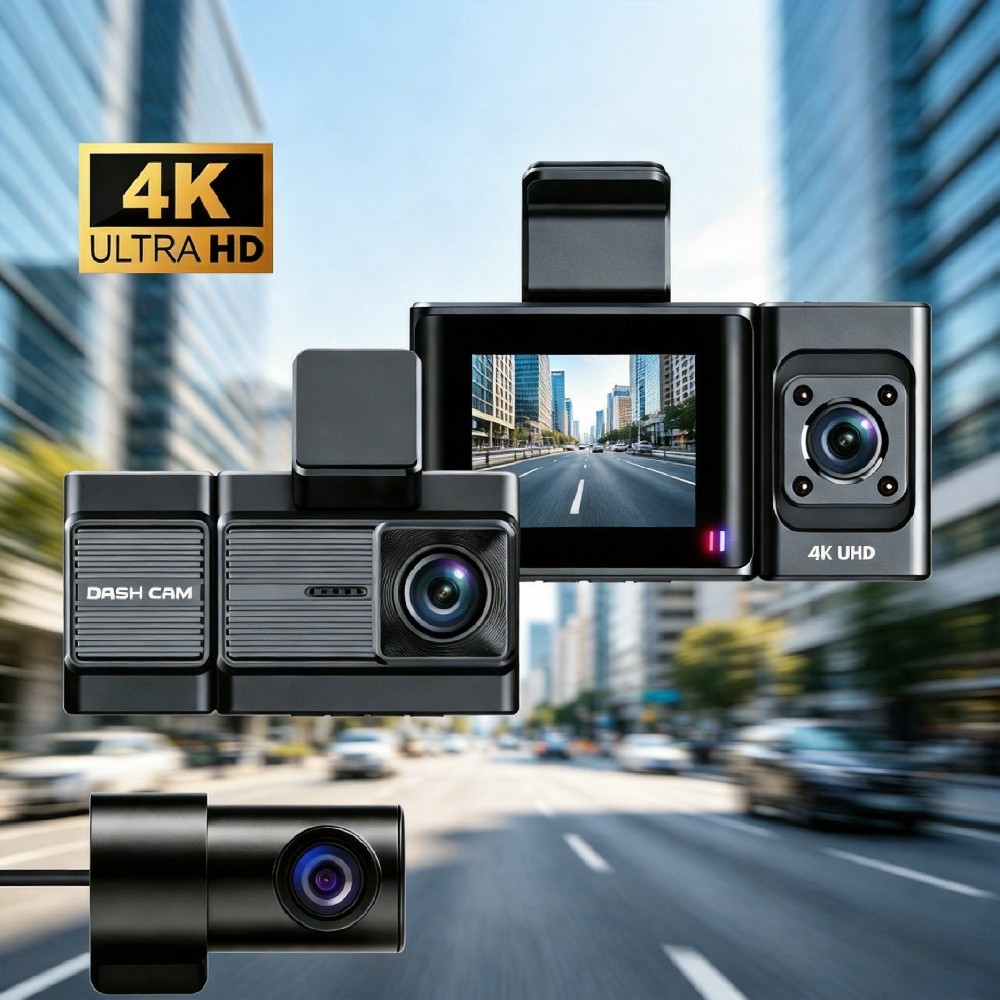
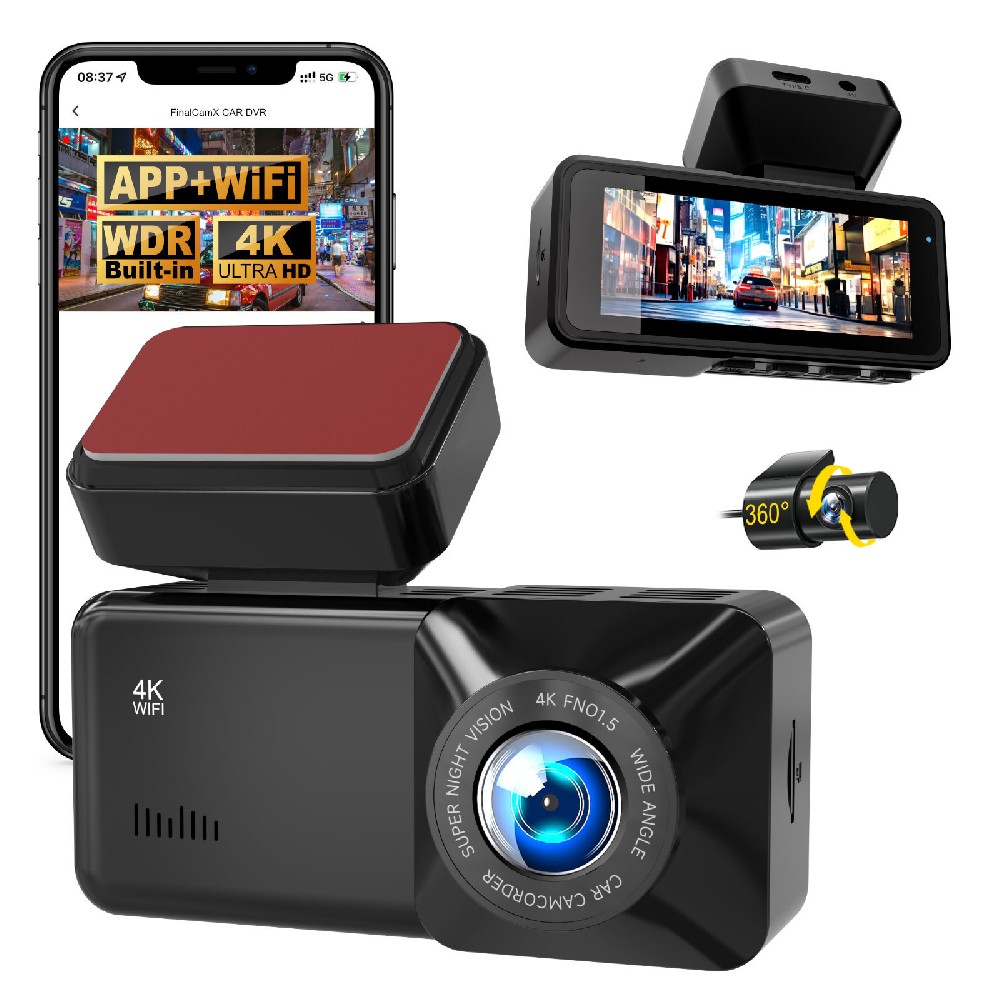
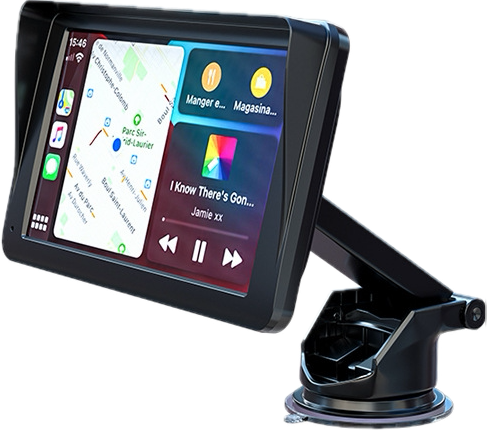
For importers, automotive accessory retailers, and brand owners targeting the Southeast Asian market, finding a reliable charger manufacturer Malaysia is a complex task that often extends beyond geographical boundaries. The demand for high-efficiency vehicle chargers in Malaysia is driven by the region’s growing automotive electronics market, where consumers expect fast-charging capabilities, robust build quality, and seamless compatibility with modern smartphones and tablets.
However, a common misconception is that sourcing must be limited to local Malaysian factories. In reality, many buyers source from established OEM/ODM hubs in China that specialize in supplying channel partners across Malaysia, Singapore, Thailand, and beyond. These manufacturers provide the scale and engineering capability needed for complex electronics, while local agents or forwarders handle regional logistics and compliance.
This guide breaks down the process of sourcing automotive chargers for the Malaysian market. It covers technical specifications, trade terms, certification requirements, and practical advice for evaluating potential partners. The goal is to move beyond simple keyword searches and provide a structured framework for making informed procurement decisions.
When sourcing vehicle chargers, the core value proposition lies in power delivery and compatibility. Modern buyers are not just looking for "USB ports"; they require specific charging protocols that support rapid charging for high-end devices.
Based on industry standards for automotive electronics, a competitive charger for the Malaysian market should include:
For retail markets in Malaysia, dual-port chargers with LED digital voltage/battery level displays are highly sought after. These units provide clear feedback to users and cater to drivers who carry multiple devices (phones, dash cams, GPS). When evaluating suppliers, request datasheets that explicitly list the voltage/ampere output curves and the specific fast-charging protocols supported (e.g., QC 3.0, PD, or proprietary fast-charge modes).
The difference between a reliable partner and a risky supplier often lies in transparency regarding trade terms. Sourcing from major manufacturing hubs, such as China, offers cost advantages but requires strict attention to communication and contract details.
MOQs are rarely fixed; they depend on the product model, customization level, and destination market. For standard off-the-shelf automotive chargers, MOQs might be lower, but for custom OEM/ODM units (with branded packaging or modified hardware), the threshold increases. Buyers should explicitly state their target quantity and market (e.g., "We are targeting Malaysian retail chains") to receive a workable MOQ quote.
Standard B2B trade terms for automotive electronics typically follow this structure:
Understanding these timelines allows buyers to plan their inventory cycles accurately. A 30-day lead time means that if you want stock in Malaysia by Q3, you must finalize production orders by late Q2, accounting for sea freight transit times.
One of the biggest hurdles for new entrants in the Malaysian market is regulatory compliance. Selling electronics without proper certification can lead to customs seizures, legal penalties, and brand damage.
While manufacturers often advertise "CE" and "FCC" compliance, buyers must verify which certifications apply to the final product shipped to Malaysia:
Actionable Advice: Do not rely solely on the supplier's word. Request copies of test reports. If the supplier is in China, ensure they have a local agent in Malaysia who can handle MCMC registration if required. For high-end products, check if the unit has undergone specific thermal and safety testing in hot climates, as Malaysia’s climate can affect battery and component longevity.
When shortlisting potential partners, use this structured comparison to assess their fit for your specific needs.
| Feature | Standard OEM Supplier | Premium ODM Partner |
|---|---|---|
| Customization | Minimal (logo/color only) | High (hardware mods, new designs, software) |
| Lead Time | Shorter (stock availability) | Longer (R&D and prototyping) |
| Cost | Lower upfront | Higher upfront, lower per-unit at scale |
| Certifications | Basic (CE/FCC) | Comprehensive (CE, FCC, RoHS, MCMC support) |
| Best For | Retailers needing quick SKU turnover | Brand owners launching new premium lines |
Not necessarily for the sale itself, but you will need a local party to handle logistics, customs clearance, and potentially MCMC certification. Many manufacturers have channel partners in Malaysia who can assist with this process, reducing your need to establish a physical office.
Yes, but this may affect your pricing and lead time. While some suppliers allow mixed containers, strict MOQs per SKU usually apply. For initial market testing, it is advisable to order samples of 3-5 different models first to gauge consumer preference before committing to bulk mixed orders.
Heat and humidity are the primary factors. Low-quality internal capacitors or poor thermal management can cause charging inconsistencies or unit shutdowns in high temperatures. When evaluating suppliers, ask for their thermal testing data and ensure the product is rated for operation in environments up to 60°C ambient temperature.
Many companies advertise "Malaysia based" services but manufacture in neighboring countries. This is not necessarily a disadvantage if the quality control is equivalent. However, you must verify the factory location for logistics and quality inspection purposes. Request a video audit of the production line and check the registered business address to understand where the final assembly and testing occur.
Sourcing a charger manufacturer Malaysia suitable for your business requires balancing technical specifications, trade terms, and regulatory compliance. While the supply chain often leverages manufacturing hubs in China for cost efficiency and engineering expertise, the focus must remain on meeting the specific demands of the Malaysian market: robust 12V/24V compatibility, fast-charging intelligence, and adherence to local safety standards.
Next Steps for Buyers:
By following this structured approach, you can mitigate risks and build a reliable supply chain for automotive electronics in one of Southeast Asia’s most dynamic markets.