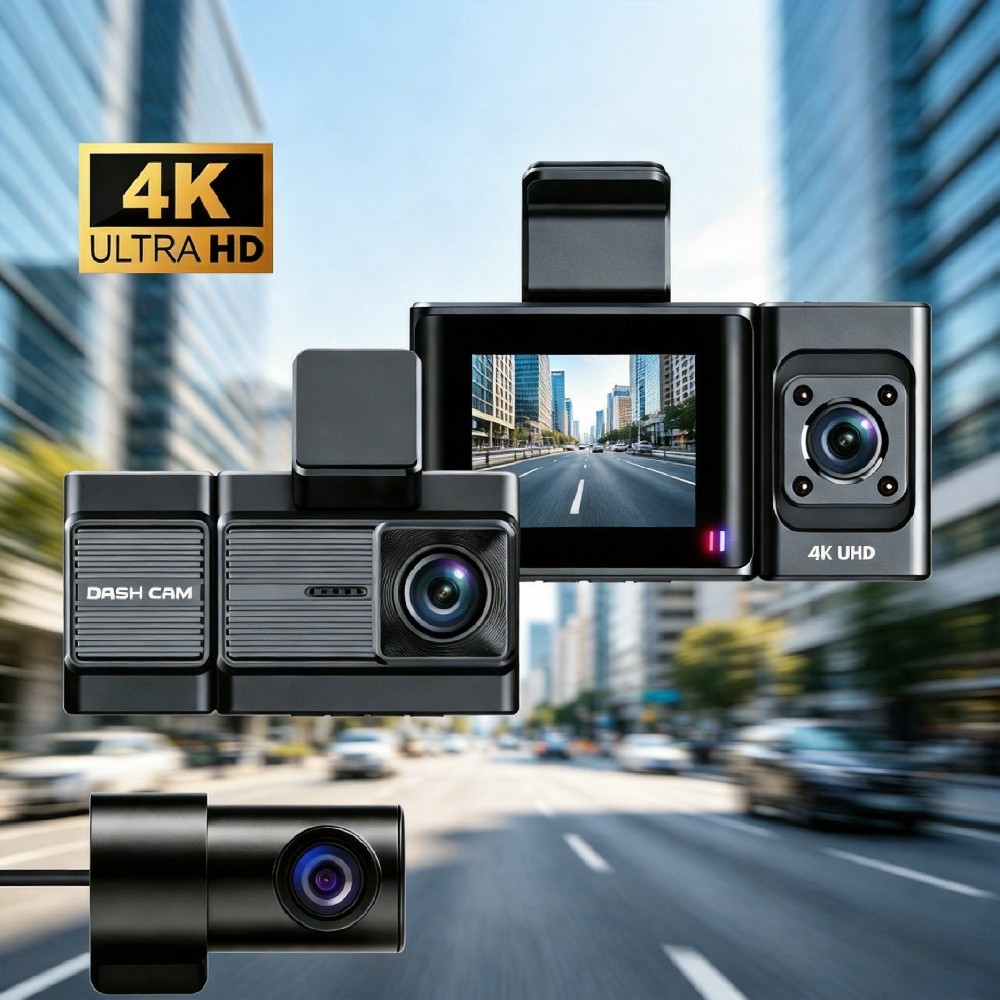
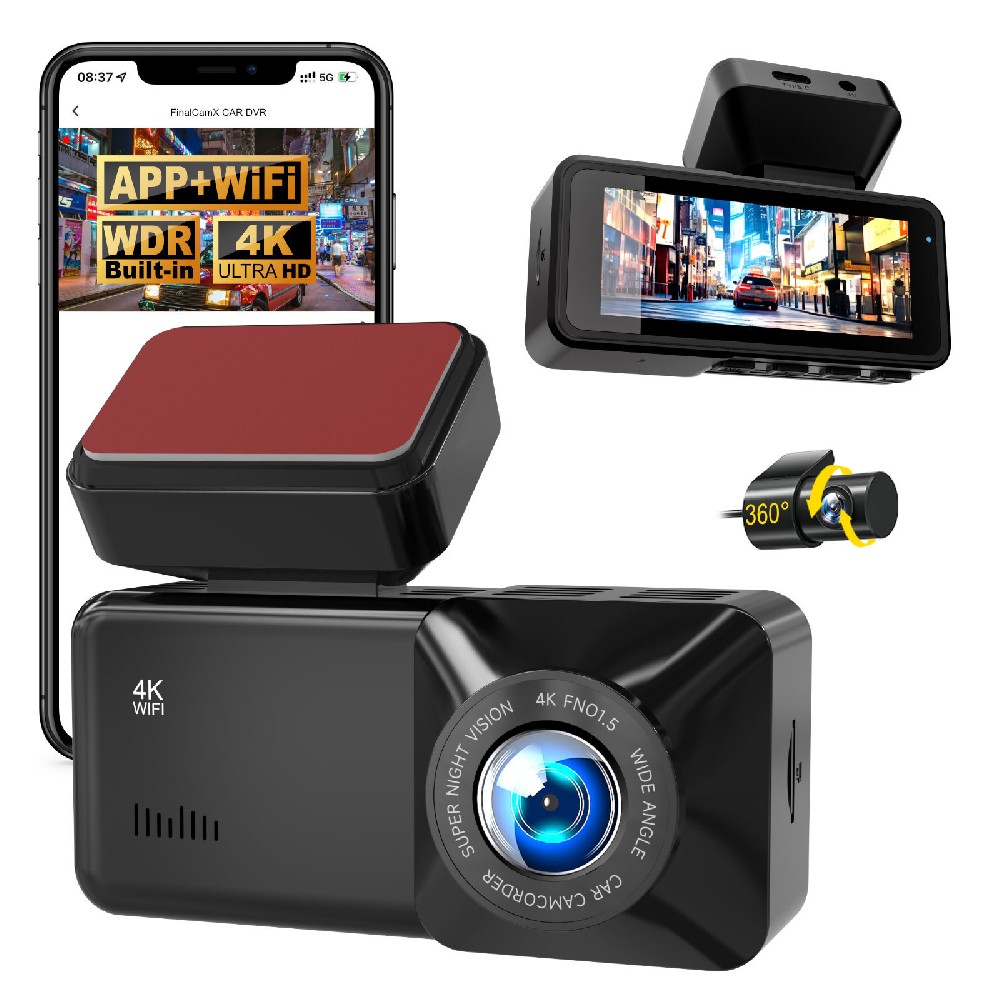
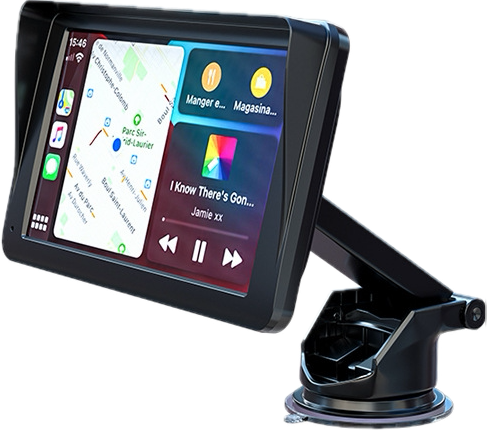
Sourcing automotive electronics from China has become a standard practice for global distributors and e-hailing fleet operators, yet the process remains fraught with misunderstandings regarding Minimum Order Quantities (MOQ), true pricing structures, and realistic lead times. For buyers looking to import car dash cams, the primary challenge is not finding a manufacturer, but identifying a partner who can handle B2B trade terms effectively while ensuring the technical reliability of the hardware.
Many prospective buyers confuse consumer-grade marketplaces with professional OEM/ODM manufacturing hubs. The Chinese supply chain offers deep specialization in smart automotive hardware, including dash cams, Tire Pressure Monitoring Systems (TPMS), CarPlay screens, and high-power chargers. However, to secure reliable inventory, you must understand the operational model of these suppliers. This article analyzes the key factors in sourcing from China, using the operational framework of established manufacturers to clarify how MOQ, pricing, and lead times actually function in a professional B2B context.
The core conclusion is that successful sourcing requires aligning with suppliers who view the transaction as a long-term channel partnership rather than a one-off sale. Most reputable Chinese dash cam manufacturers, such as those operating under the AUTROX product brand, position themselves as partners for global scaling. They do not typically sell to individual end-users but rather to channel partners, including distributors, wholesalers, and fleet managers.
This B2B focus impacts how you interact with a supplier. The "streamlined wholesale supply" model implies that communication should be centered on project requirements rather than casual inquiries. For instance, a supplier may ask about your target market (e.g., Malaysia, Singapore, the UAE, or Europe) to advise on necessary compliance standards. The partnership model often includes tailored collaboration, where the manufacturer helps the buyer scale their local market by providing consistent performance and reliability.
Practical Advice: When initiating contact, clearly define your role. Are you a distributor, a fleet operator, or an e-commerce brand? Suppliers are more responsive when they understand the scale of your potential orders. For example, an e-hailing fleet operator might prioritize durability and easy installation, while a retail distributor might prioritize packaging aesthetics and brand differentiation. Mentioning specific markets helps the supplier provide relevant compliance advice, such as CE for Europe or local standards for Southeast Asia.
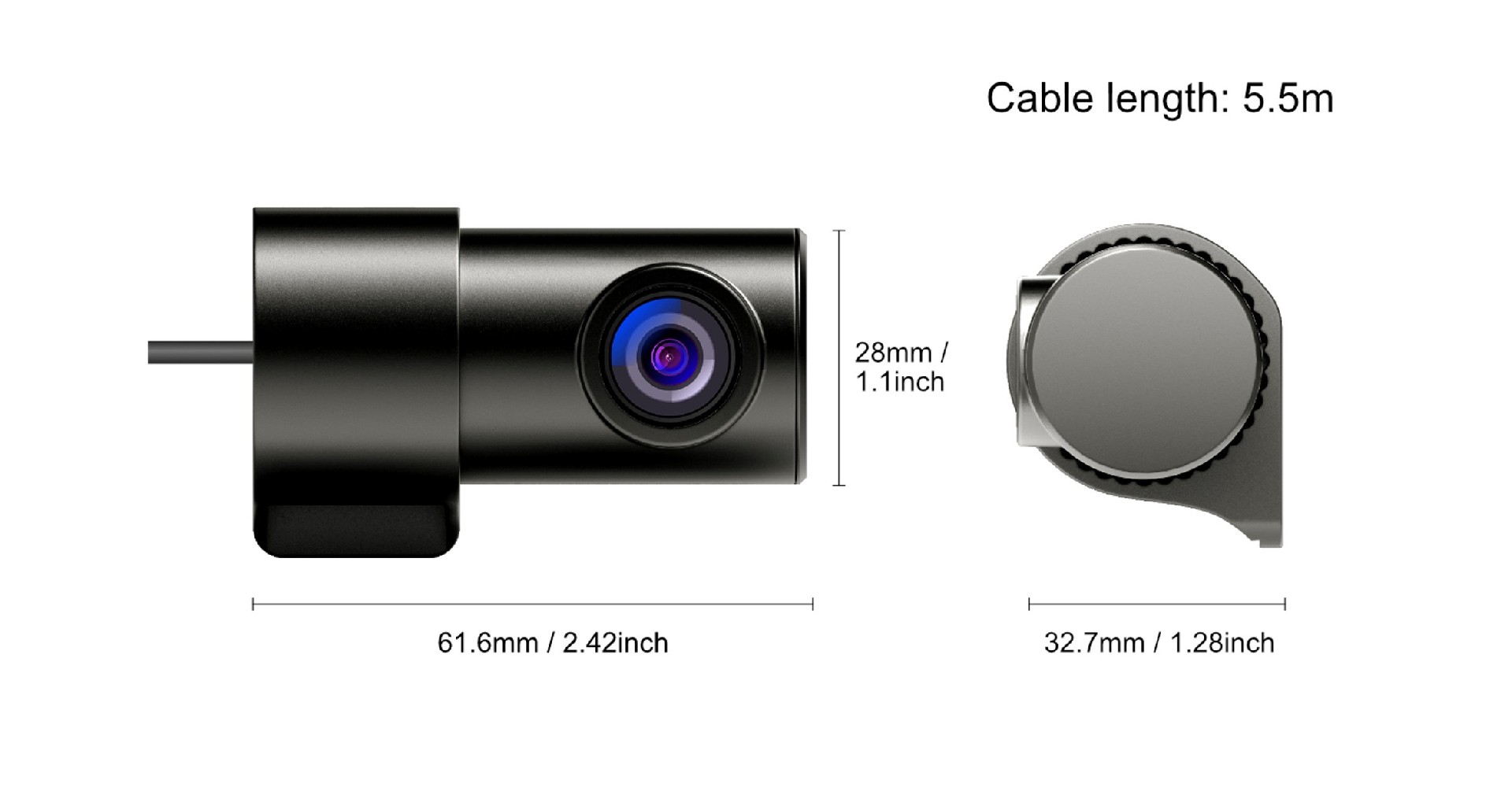
Pricing in the Chinese automotive electronics sector is dynamic. There is no single "list price" that applies universally. Instead, the final quotation is a composite of several variables. Understanding these variables prevents budget surprises and helps you negotiate better terms.
The Pricing Formula Final price depends on:
MOQ Considerations While specific MOQs vary by manufacturer, they are generally set to ensure the production line is efficient. For a new partnership, suppliers may be open to lower MOQs for sample orders or initial testing batches, especially if they are working with trading companies in emerging markets. However, for mass production, standard B2B MOQs apply.
Key Product Features to Negotiate When discussing specifications with a supplier, focus on hardware that reduces after-sales issues. Two critical technical features to verify are:
Practical Advice: Request a quote that explicitly separates the hardware cost from the customization costs. For example, ask: "What is the base price for Model X at 500 units, and what is the additional cost for custom packaging and logo application?" This transparency helps you understand where your budget is going and allows you to decide whether to start with white-label units and customize later, or vice versa.
Lead time is often the most misunderstood aspect of sourcing from China. It is not just the time spent in the factory; it includes quality control (QC) and logistics. A professional supplier will manage the entire process to ensure that the "delivery time" is predictable.
Production and QC Cycle Manufacturers adhere to strict quality control aligned with international export standards. This means that before shipment, products undergo testing for reliability and performance consistency. This QC phase is non-negotiable for reputable suppliers and adds several days to the lead time. For custom orders, the lead time will be longer due to the need to produce new molds or packaging.
Logistics Options Suppliers typically offer flexible shipping methods to match buyer preferences:
Warranty and Returns Trust is built through clear after-sales policies. A standard industry benchmark is a 12-month warranty. Furthermore, look for a 30-Day Easy Returns policy for defective products. This means that if a batch fails QC or arrives defective, you can return or replace them within 30 days. This policy is a strong signal of the supplier's confidence in their quality control processes.
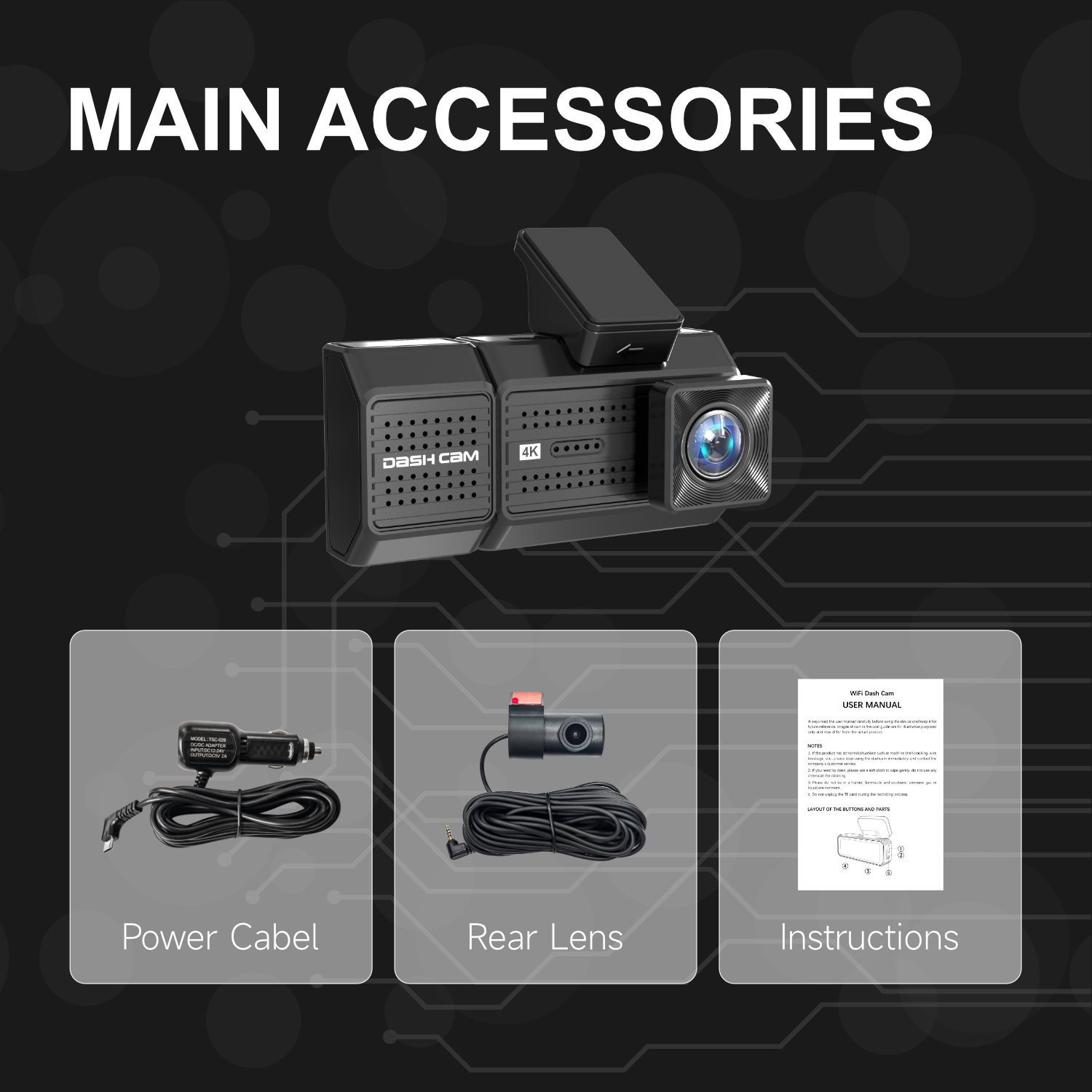
Practical Advice: Always confirm the Incoterms (e.g., FOB, EXW, DDP) with the supplier. This determines who is responsible for shipping and insurance. For first-time buyers, FOB (Free on Board) is common, where the supplier handles shipping to the port, and the buyer arranges the freight from there. If you are a smaller buyer, ask if the supplier can arrange door-to-door delivery via their logistics partners.
The following table summarizes the critical factors to evaluate when selecting a car dash cam supplier in China. Use this as a checklist during your due diligence.
| Factor | What to Look For | Why It Matters |
|---|---|---|
| Business Model | B2B focused on distributors, wholesalers, fleets. | Ensures the supplier is equipped for volume and consistent support, not just one-off sales. |
| Customization | Ability to add logo, custom packaging, and specific certifications. | Essential for brand building and meeting regional compliance (e.g., CE, FCC). |
| Core Hardware | Super-capacitor power, GPS standard, wide-aperture optics. | Super-capacitors reduce heat-related failures; GPS is critical for legal evidence in many jurisdictions. |
| Warranty | 12-month standard; 30-day easy return for defects. | Protects your cash flow and reputation from faulty batches. |
| Logistics | Flexible options: DHL, FedEx, UPS, Sea, Air. | Allows you to balance speed vs. cost based on inventory needs. |
| Target Markets | Experience with specific regions (e.g., SEA, UAE, Europe). | Suppliers familiar with your region can advise on local regulations and consumer preferences. |
MOQs vary by manufacturer and model. While specific numbers are often negotiated, B2B suppliers typically have minimums designed for wholesale efficiency. Many manufacturers are open to working with trading companies, which can sometimes aggregate orders to meet higher MOQs. For initial partnerships, ask if "sample orders" are available for lower quantities to test the market before committing to bulk.
Customization adds to the per-unit cost. Elements like custom logos, branded packaging, and specific certification testing (e.g., for strict European markets) require additional engineering and material costs. However, this usually increases the product's perceived value and margin in your local market. Always request a detailed quote breakdown separating the hardware cost from the customization fees.
Yes. It is common for manufacturers to operate under a corporate legal entity (e.g., Shanghai Rusi Technology) while marketing their products under a specific brand (e.g., AUTROX). As a B2B partner, you can often source these products as OEM (Your Brand) or ODM (Supplier's Brand) items. Clarify with the supplier whether they allow white-labeling or if they require you to sell under their existing brand for specific models.
Sourcing a car dash cam supplier in China is a strategic process that extends beyond simple procurement. It involves selecting a B2B partner who understands the nuances of automotive electronics, such as the benefits of super-capacitor technology and multi-channel recording. By focusing on suppliers who offer flexible logistics, clear warranty policies (12-month coverage and 30-day returns), and transparent pricing structures that account for customization, you can mitigate risk and build a reliable supply chain.
For distributors and fleet operators, the key to success lies in clear communication about your target markets and volume expectations. Use the structured approach outlined in this article to vet potential partners, ensuring that the final agreement aligns with your quality standards, logistical capabilities, and market demands.