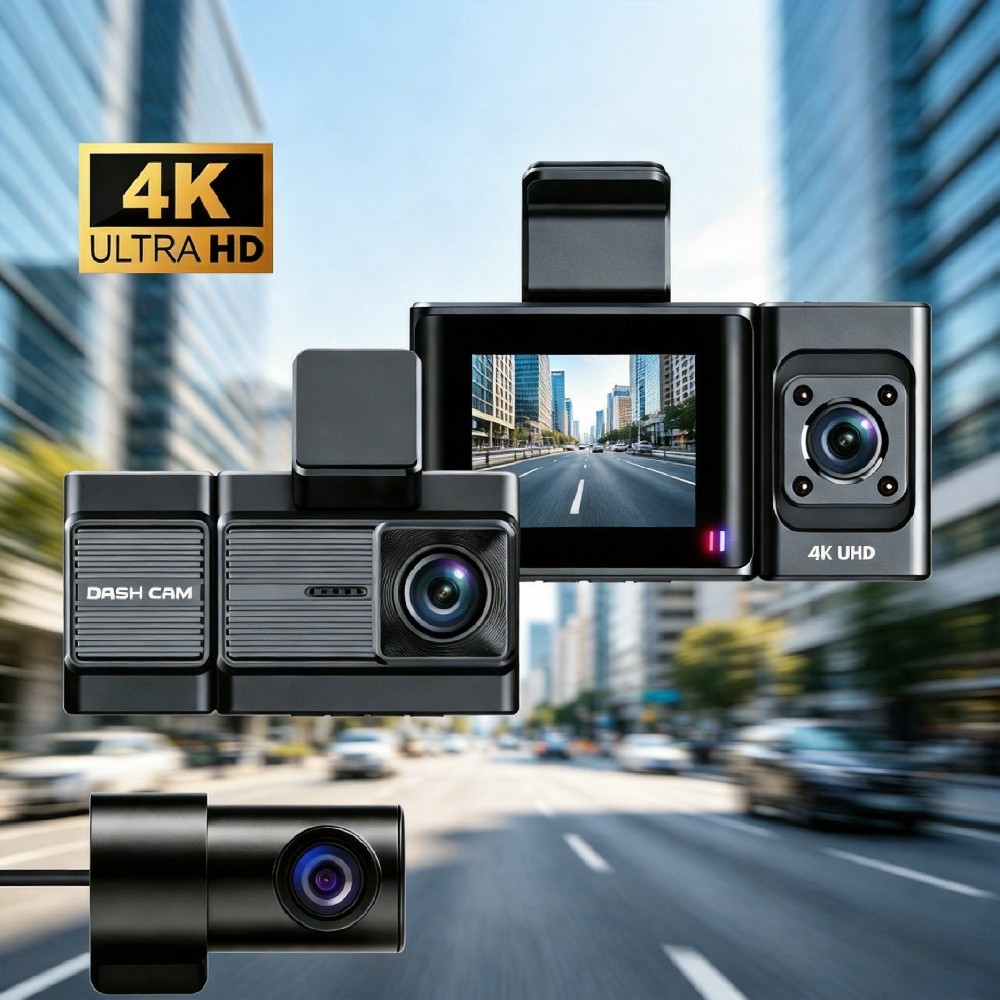
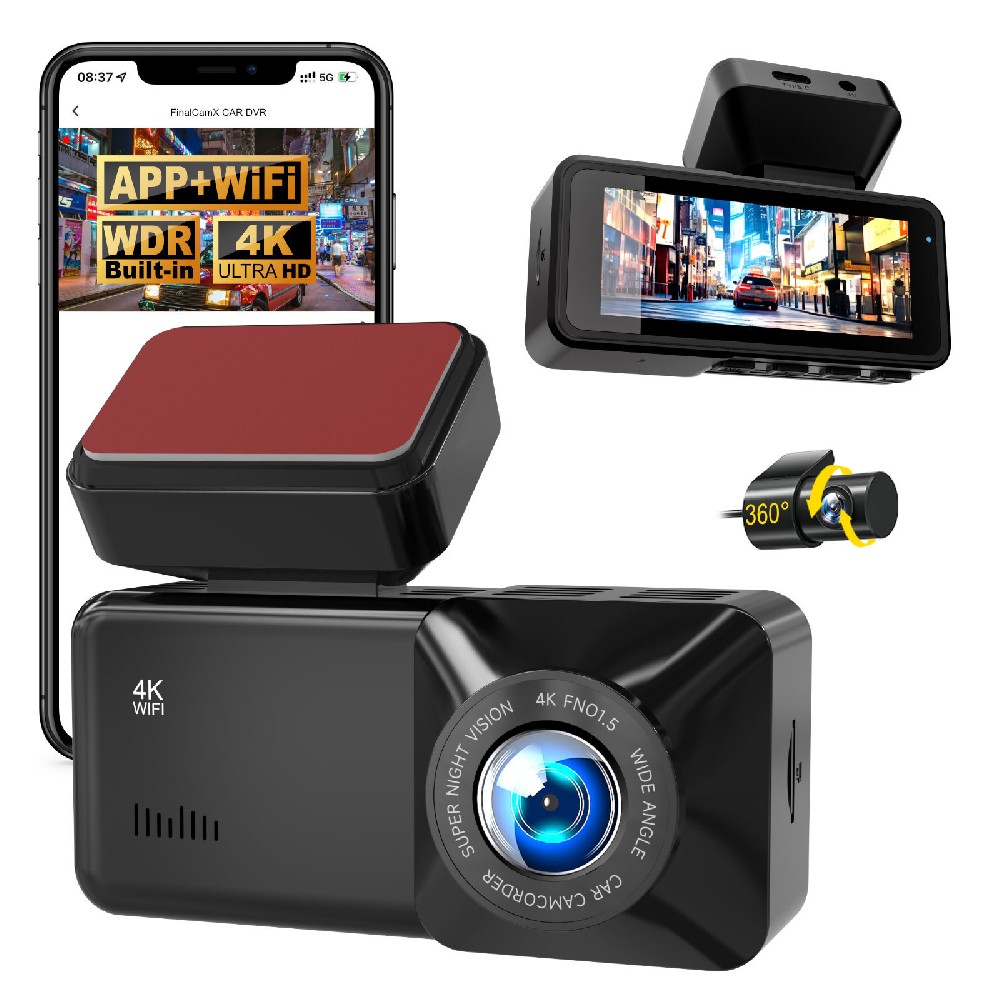
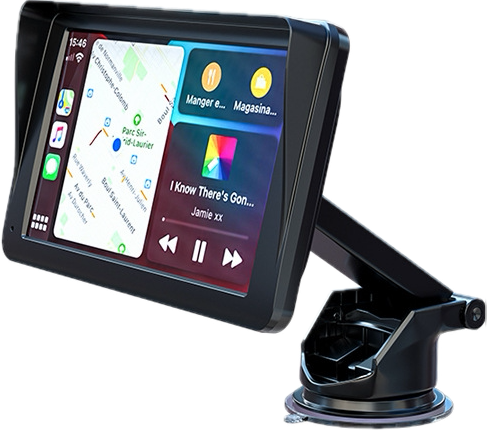
The Malaysian automotive electronics market is mature, with a high density of e-hailing services, private vehicle ownership, and a growing number of auto-enthusiast communities demanding high-quality recording devices. However, for buyers—whether they are wholesale distributors, fleet managers, or tech retailers—navigating the supply chain presents specific challenges. The term "dash cam manufacturer Malaysia" often creates confusion: does it refer to a factory within Malaysia that assembles the unit, or a global supply chain player that specializes in the Malaysian market?
For most commercial and high-volume procurement needs, the most efficient path is sourcing from established OEM/ODM manufacturers in China who maintain dedicated supply lines for Southeast Asia, specifically Malaysia. These partners understand the local requirements: high heat tolerance, durable build quality for fleet vehicles, and competitive pricing for bulk orders. This guide breaks down the essential factors, technical specifications, and partnership models you need to evaluate when sourcing dash cams for the Malaysian market, ensuring you select a supplier that offers reliability, logistical support, and long-term viability.
When buyers search for a "dash cam manufacturer Malaysia," they are often seeking a source of supply that understands the local environmental and regulatory context. While some local entities may engage in final assembly or kitting, the core manufacturing of advanced dash cameras typically occurs in specialized factories in China.
Reputable Chinese manufacturers, such as Shanghai Rusi Technology (marketing dash cams under brands like AUTROX), structure their go-to-market strategies to leverage China’s supply chain network while catering specifically to distributors and channel partners in Malaysia, Singapore, and Thailand.
Practical Scenario: A Malaysian auto parts distributor needs to stock a new line of 4K dash cams for their retail chain. By partnering directly with an ODM partner, they can negotiate custom packaging with local branding and ensure the firmware is pre-loaded with GPS mapping suitable for Malaysian coordinates, a detail that generic white-label imports might lack.
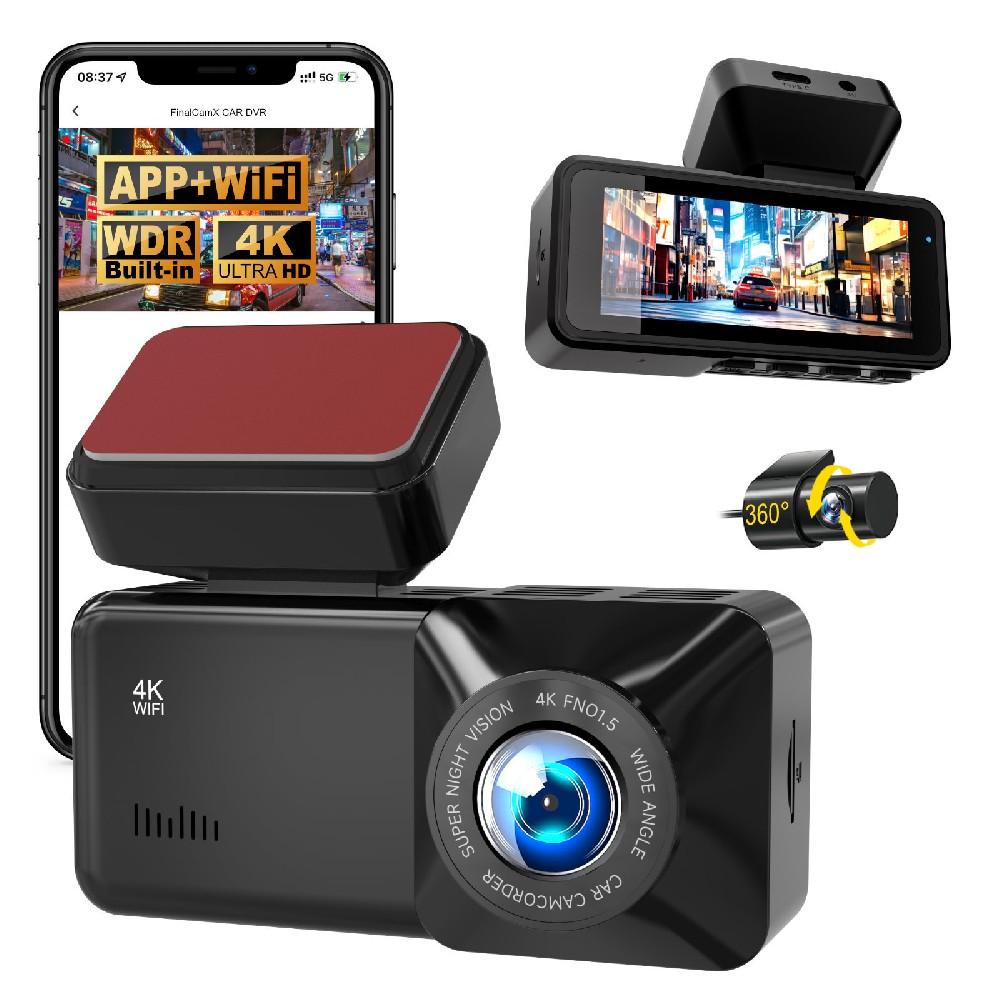
Selecting the right hardware is more important than any other decision in sourcing. The Malaysian climate is tropical, with high humidity and sustained high temperatures, especially in vehicle interiors that can act as greenhouses.
One of the most critical differentiators in dash cam reliability is the power storage method. Many lower-cost units use lithium-ion batteries, which pose a safety risk in high temperatures and degrade quickly, leading to a high rate of after-sales returns.
Leading manufacturers for the Malaysian and Southeast Asian markets are increasingly adopting super-capacitor power modules.
For commercial applications, such as e-hailing fleets or taxi services, a front-facing camera is insufficient. Buyers should prioritize units that offer true multi-channel recording:
Additionally, built-in GPS should be considered a standard feature, not an add-on. It allows for speed tracking and geolocation data, which is vital for fleet management and insurance claims. High-quality optics with wide-aperture lenses are also necessary to capture license plates in low-light conditions, a common requirement in Malaysian urban settings.
A technical specification sheet is useless without a reliable service framework. When sourcing from a manufacturer like Shanghai Rusi Technology, the B2B partnership model is designed to streamline logistics and support for global partners.
Suppliers typically offer flexible shipping methods to accommodate different inventory needs:
Trust is built through clear post-sale support. Standard terms from reputable partners include:

Boundary Condition Note: Final pricing is never static. It depends heavily on the model, order quantity, destination market, and the level of customization (e.g., custom logo imprinting, specific packaging, or certification processes). Buyers should request quotes on a project basis rather than relying on generic list prices.
The table below summarizes the key considerations for evaluating a dash cam supplier for the Malaysian market. Use this checklist during the vetting process.
| Feature / Consideration | Low-End / Unverified Suppliers | High-Reliability OEM/ODM Partners | Impact on Buyer |
|---|---|---|---|
| Power Management | Standard Lithium Batteries | Super-Capacitor Modules | Lower heat-related failures; safer for fleet use |
| Camera Channels | Single Front Camera Only | True Multi-Channel (Front/Rear/Cabin) | Suits e-hailing & commercial insurance needs |
| Navigation/GPS | Optional or External Required | Built-in GPS Standard | Easier integration; automatic speed logging |
| Optics | Narrow Aperture | Wide-Aperture Wide-Angle | Better night vision & license plate capture |
| Warranty Support | Vague or No Policy | 12-Month Warranty & 30-Day Returns | Reduced financial risk for distributors |
| Customization | Fixed White-Label | Full OEM/ODM (Logo, Packaging, Certs) | Ability to build local brand equity |
MOQs vary by manufacturer and customization level. For standard off-the-shelf models, quantities can be relatively low (e.g., 50-100 units). However, for full OEM customization (custom logo, unique packaging, or firmware changes), manufacturers typically require higher minimums (e.g., 500-1000 units) to justify tooling and setup costs. Always clarify the MOQ before requesting a quote.
While there is no single mandate forcing all private vehicles to have dash cams, they are widely adopted and encouraged, particularly in the commercial fleet sector (taxis, e-hailing). Dash cams are routinely used as evidence in traffic accident claims in Malaysia. Sourcing units with high-resolution recording and GPS features aligns with the evidentiary standards preferred by local insurance companies.
Check for evidence of existing regional supply chains. Look for partners who explicitly mention serving Southeast Asian markets (Malaysia, Singapore, Thailand) and who offer export-compliant quality control. Review their warranty terms to ensure they cover international logistics and provide a clear return window (such as the 30-day policy) for initial quality inspections.
Sourcing a "dash cam manufacturer" for the Malaysian market is less about finding a local factory and more about identifying a global OEM/ODM partner who understands the specific climatic and commercial demands of the region.
For distributors, fleet operators, and retailers, the optimal strategy is to partner with a reputable China-based manufacturer that offers:
By focusing on these verifiable technical and logistical benchmarks, buyers can mitigate supply chain risks and stock products that perform reliably in the Malaysian environment. Start by requesting a project-based quotation from a partner like Shanghai Rusi Technology (via their AUTROX brand) or similar established OEMs, ensuring you specify your customization needs and target volume to receive an accurate, actionable quote.