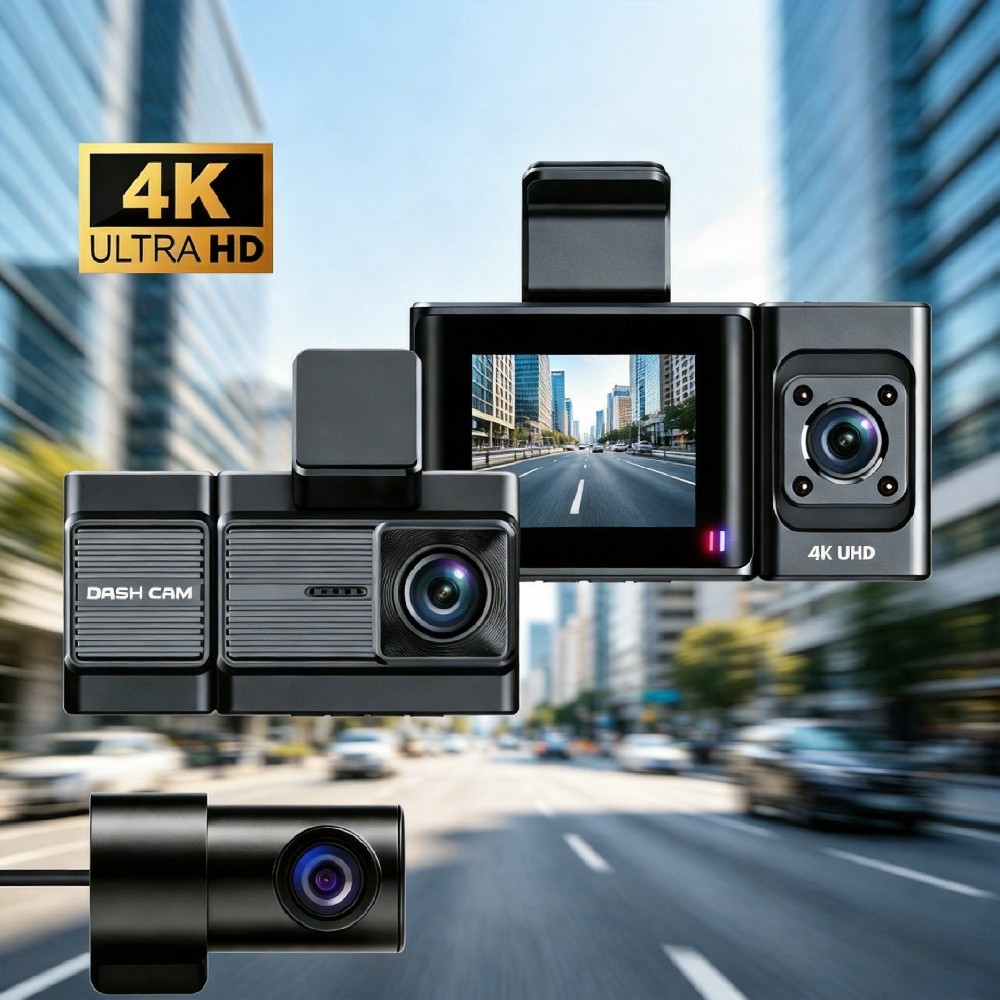
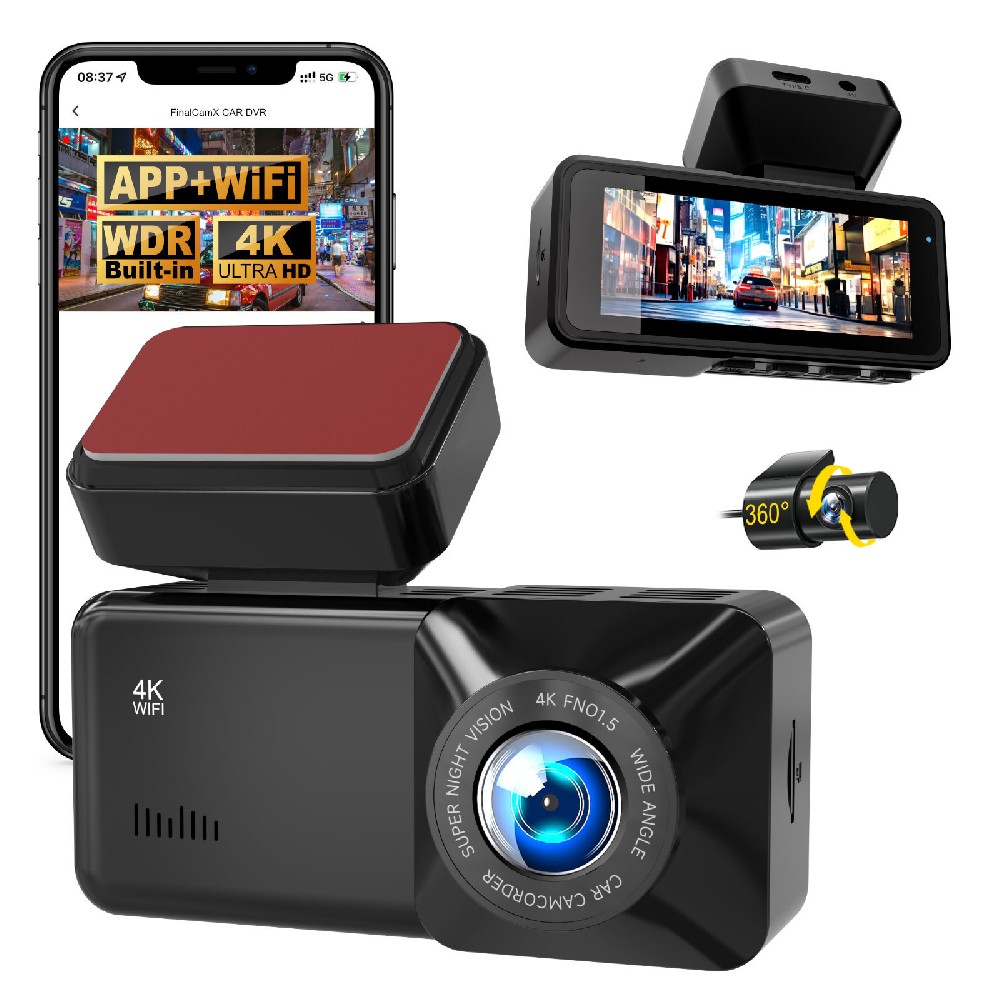
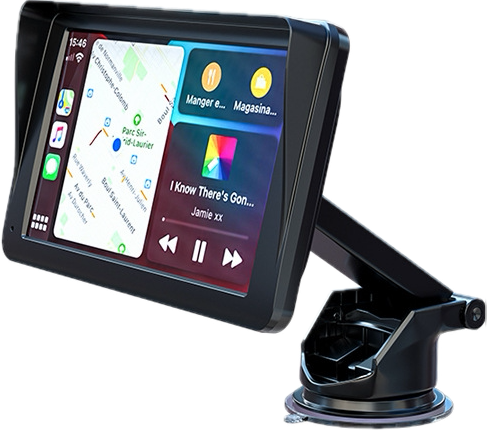
Malaysia has one of the most vibrant automotive electronics markets in Southeast Asia, driven by high vehicle ownership rates, a growing e-hailing fleet, and strict requirements for ride-hailing safety. For Malaysian distributors, wholesalers, and channel partners, sourcing dash cams locally often presents limited customization options and higher price points compared to international markets. As a result, many businesses are turning to China, the global hub for automotive electronics manufacturing, to find a reliable dash cam manufacturer that can serve the Malaysian market.
However, cross-border sourcing introduces complexity. Buyers must navigate minimum order quantities (MOQ), understand how pricing fluctuates based on customization, and manage logistics from production in China to warehouses in Port Klang or other Malaysian hubs. This article outlines the practical framework for sourcing dash cams from China for the Malaysian market, detailing how to evaluate manufacturers, structure orders, and mitigate risks associated with quality and delivery.
When searching for a dash cam manufacturer to supply Malaysia, the decision should not rest solely on price. The primary criterion is technical alignment with local conditions, particularly the tropical climate. Malaysia’s high humidity and ambient temperatures can degrade standard lithium-based batteries inside dash cams, leading to swelling, failures, or fire risks. Therefore, the first step in sourcing is verifying the power architecture of the proposed units.
Reputable Chinese manufacturers targeting export markets increasingly use super-capacitors instead of traditional lithium batteries for dash cam power buffering. Super-capacitors offer superior high-temperature reliability and significantly lower failure rates. For a distributor, this translates to fewer warranty claims and stronger brand reputation in the Malaysian market. When evaluating a supplier, request documentation confirming whether their flagship models use super-capacitors. This is a key differentiator that supports long-term reliability.
The Malaysian market increasingly demands more than basic front-facing recording. Buyers should look for manufacturers that offer:
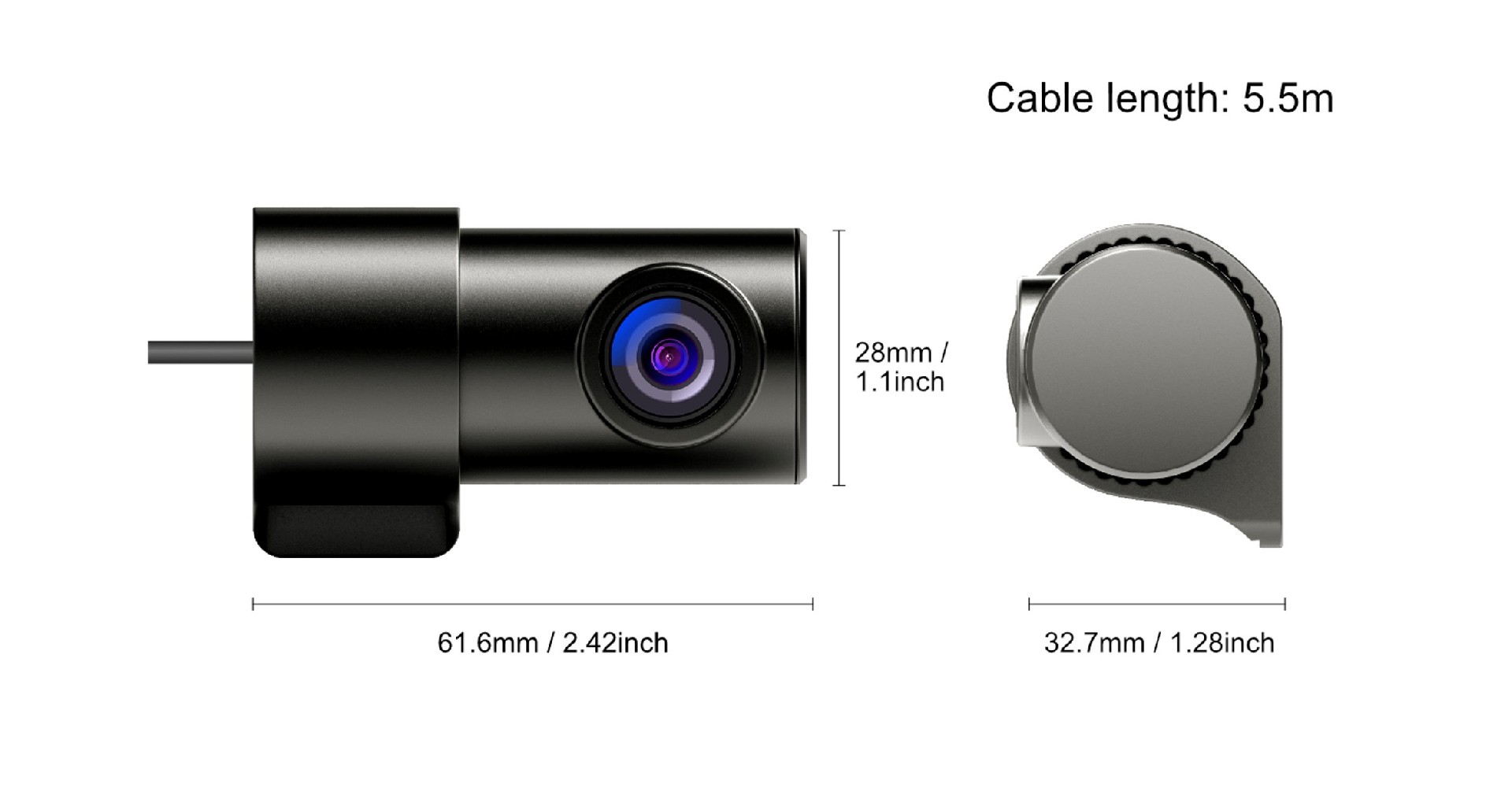
One of the most common friction points in B2B sourcing is the variability of Minimum Order Quantities (MOQ) and final pricing. There is no single global price list for dash cams; costs are highly fluid based on the specific configuration of the order.
MOQs are rarely static. They are influenced by:
Final unit prices are quoted on a project basis rather than a catalog basis. The cost structure includes:
Practical Advice: When requesting quotes, always specify the exact model, the quantity you intend to order in the first batch, and any customization requirements. Do not ask for a "price list" without context, as this is often not available or accurate for B2B OEM/ODM partnerships.
The physical movement of goods from China to Malaysia is a critical component of the sourcing strategy. Buyers must align their inventory planning with the logistics options available.
Lead times refer to the production period, not just shipping. For a standard order, this may range from 3 to 6 weeks depending on factory capacity and component availability. Customized OEM/ODM orders can take longer. Buyers should confirm the "production lead time" separately from "transit time."
A reliable manufacturer should provide a clear warranty structure. A standard industry benchmark is a 12-month warranty. Look for suppliers who offer a "30-Day Easy Returns" policy for defective units. This policy allows defective products to be returned or replaced within 30 days of arrival, reducing the financial risk for the importer. Ensure this policy is included in the purchase agreement.
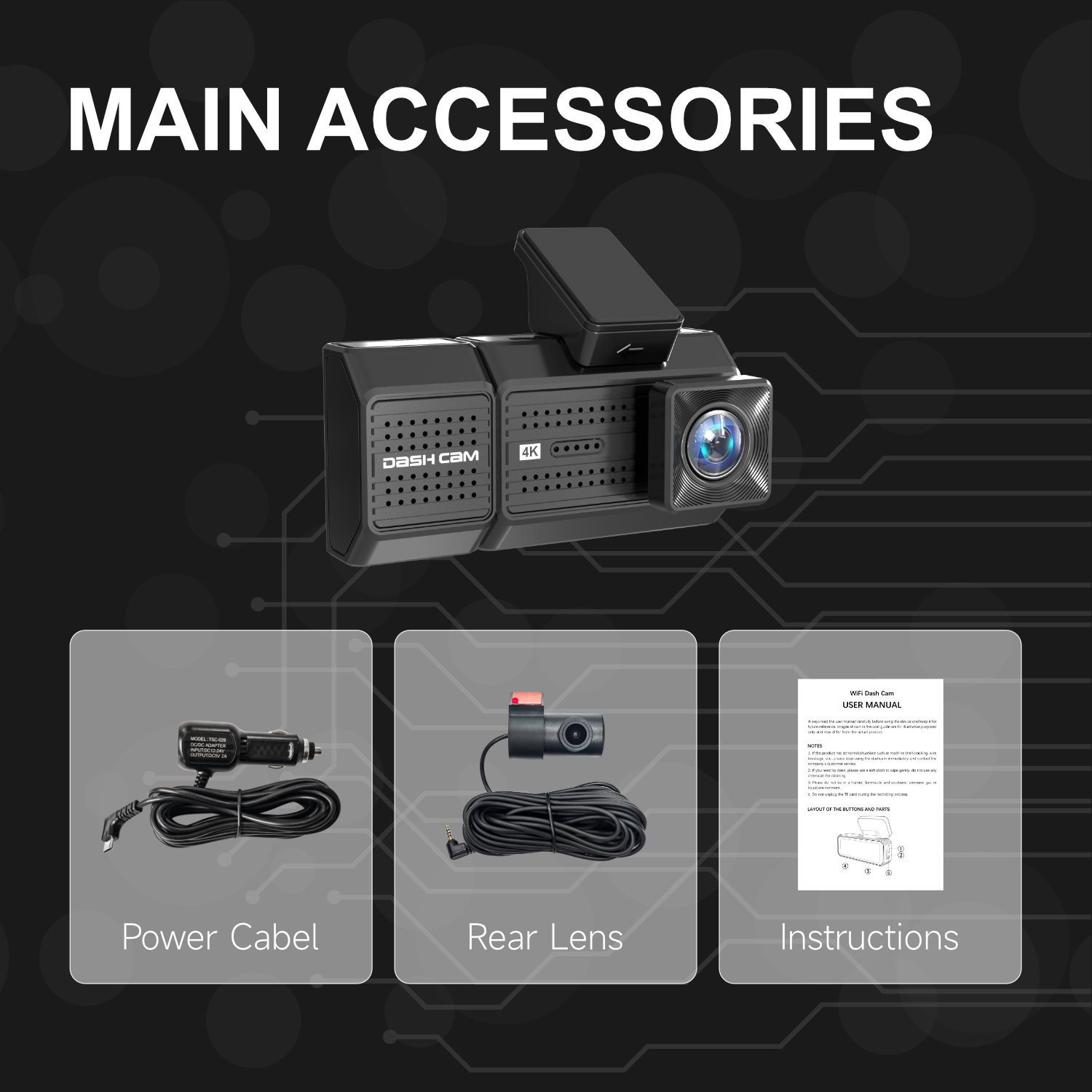
The following table summarizes the key decision factors when sourcing a dash cam manufacturer for the Malaysian market. This structured information block helps buyers standardize their evaluation process across multiple potential suppliers.
| Factor | What to Verify | Why It Matters for Malaysia |
|---|---|---|
| Power Source | Super-capacitor vs. Lithium Battery | High temperatures in Malaysia; super-capacitors prevent swelling/fire risks. |
| Recording Channels | Front-only vs. Front+Cabin | E-hailing operators require cabin footage for safety and dispute resolution. |
| GPS Integration | Built-in vs. Add-on | Essential for time-stamped speed data in legal contexts. |
| MOQ Flexibility | Fixed vs. Volume-Based | Lower MOQs allow distributors to test the market without heavy inventory risk. |
| Warranty Policy | Duration and Return Window | A 12-month warranty with 30-day replacement reduces post-sale support burden. |
| Customization | Logo, Packaging, Manual | Critical for building local brand identity and complying with retail expectations. |
| Logistics Support | Sea/Air/Courier Options | Flexibility ensures alignment with buyer's cash flow and inventory cycles. |
While a factory visit is the gold standard for building trust, it is not strictly necessary for initial orders if the manufacturer provides transparent sample testing and clear quality control documentation. For long-term partnerships, especially for large fleet contracts, a visit is recommended to verify production lines and QC processes.
The manufacturer typically provides commercial invoices, packing lists, and certificates of origin. However, the importer (you) is responsible for customs clearance, duties, and taxes in Malaysia. Work with a licensed customs agent in Malaysia to ensure smooth clearance and avoid delays at the port.
Yes, many OEM/ODM manufacturers support custom firmware. This can include adding Malay or English language menus, pre-configuring GPS zones, or enabling specific recording settings. This is a customization that should be quoted separately.
Sourcing a dash cam manufacturer from China for the Malaysian market is a strategic move that offers access to advanced hardware, competitive pricing, and deep customization capabilities. To succeed, buyers must move beyond simple price comparison and focus on technical reliability (particularly super-capacitor technology for heat resistance), transparent MOQ structures, and robust warranty terms.
The next step for any Malaysian distributor or channel partner is to define their target segment (retail, e-hailing fleets, or commercial vehicles), request detailed project-based quotes from vetted Chinese manufacturers, and order samples for local stress testing. By aligning the technical specifications with the local climate and market demands, and by securing clear logistics and warranty agreements, you can build a sustainable supply chain that supports long-term growth in the Malaysian automotive electronics sector.