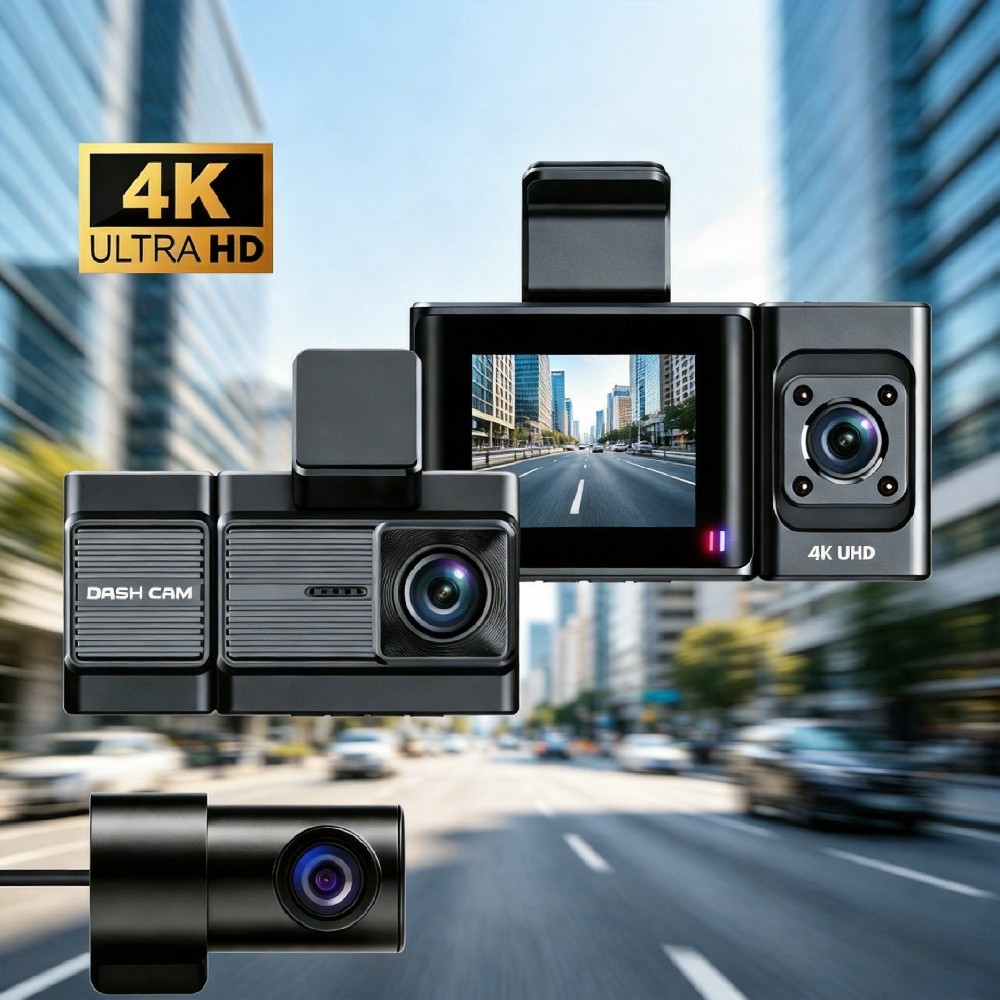
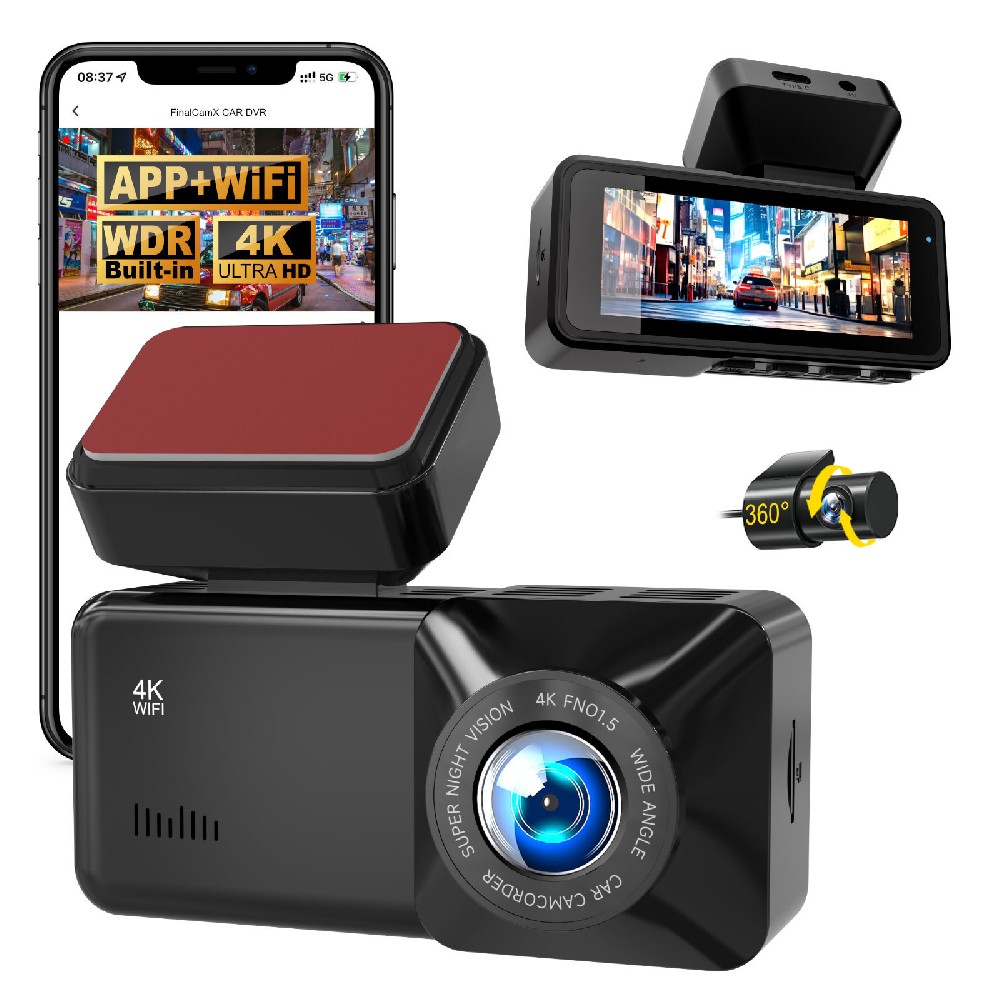
Sourcing automotive electronics has become increasingly complex for distributors, wholesalers, and channel partners expanding into new markets. The demand for reliable vehicle safety devices, particularly dash cams, has surged, but so has the number of suppliers claiming to offer high-quality OEM and ODM services. For buyers, the core challenge is distinguishing between manufacturers that offer genuine engineering capabilities and those that are merely resellers or assembly integrators without sufficient quality control.
A common pain point for procurement managers is the discrepancy between advertised product specifications and the actual performance of the unit in the field. Issues such as image degradation in low-light conditions, failure of parking surveillance systems, or hardware failures due to extreme heat can damage a buyer’s reputation more than the cost of the initial order.
This guide addresses how to choose a dash cam supplier by breaking down the critical technical, commercial, and logistical factors that define a reliable partner. It focuses on verifiable attributes—from thermal management and certification standards to trade terms and go-to-market support—that allow buyers to make informed decisions and establish long-term supply chain resilience.
The first step in evaluating a supplier is to look beyond the feature list and examine the engineering choices embedded in the hardware. A reputable manufacturer will provide transparent details about their component selection, particularly regarding power management and image processing.
Thermal Management and Power Architecture One of the most critical differentiators in dash cam hardware is the power source. Many consumer-grade units use lithium batteries, which pose significant risks in hot climates (such as the Middle East or Southeast Asia). Lithium batteries can swell, catch fire, or degrade chemically when exposed to sustained high temperatures.
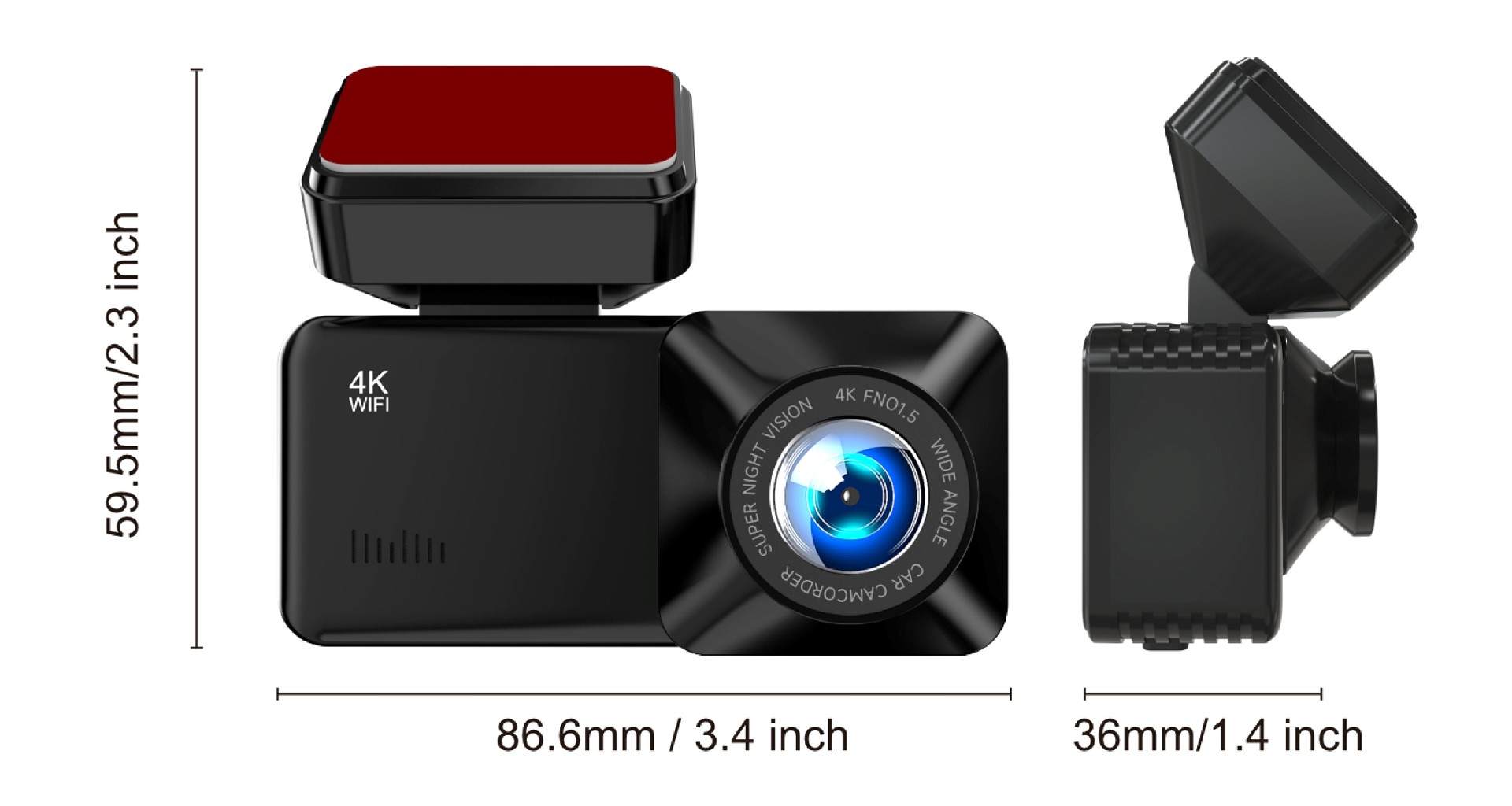
Image Processing and Connectivity High resolution is a baseline expectation, but how that resolution is achieved matters. Look for specifications that detail the image processing chip (e.g., 20MP processing for 4K output) and lens characteristics (aperture size, field of view).
How a supplier structures its B2B trade terms can determine the viability of a partnership. Buyers must understand that these terms are rarely rigid; they are often negotiated based on the buyer’s market position and requirements.
Minimum Order Quantities (MOQ) MOQs are frequently misunderstood as fixed numbers. In reality, a workable MOQ is confirmed collaboratively based on:
OEM/ODM Services For buyers who need to establish their own brand identity, the supplier must offer robust OEM and ODM services. This includes:
Payment and Lead Times Standard industry practices offer a benchmark for negotiating terms. While specific deals may vary, a typical structure involves:
Certifications are not just regulatory hurdles; they are signals of quality control. A supplier that operates under strict quality control aligned with international export standards will be more likely to provide consistent performance across batches.
Certifications Reputable manufacturers can supply products with relevant certifications upon request, including:
Action Item: Do not assume certifications are included by default. Explicitly request certificates for your target market before finalizing the order. If a supplier cannot provide these documents, it may indicate a lack of rigorous testing or compliance management.
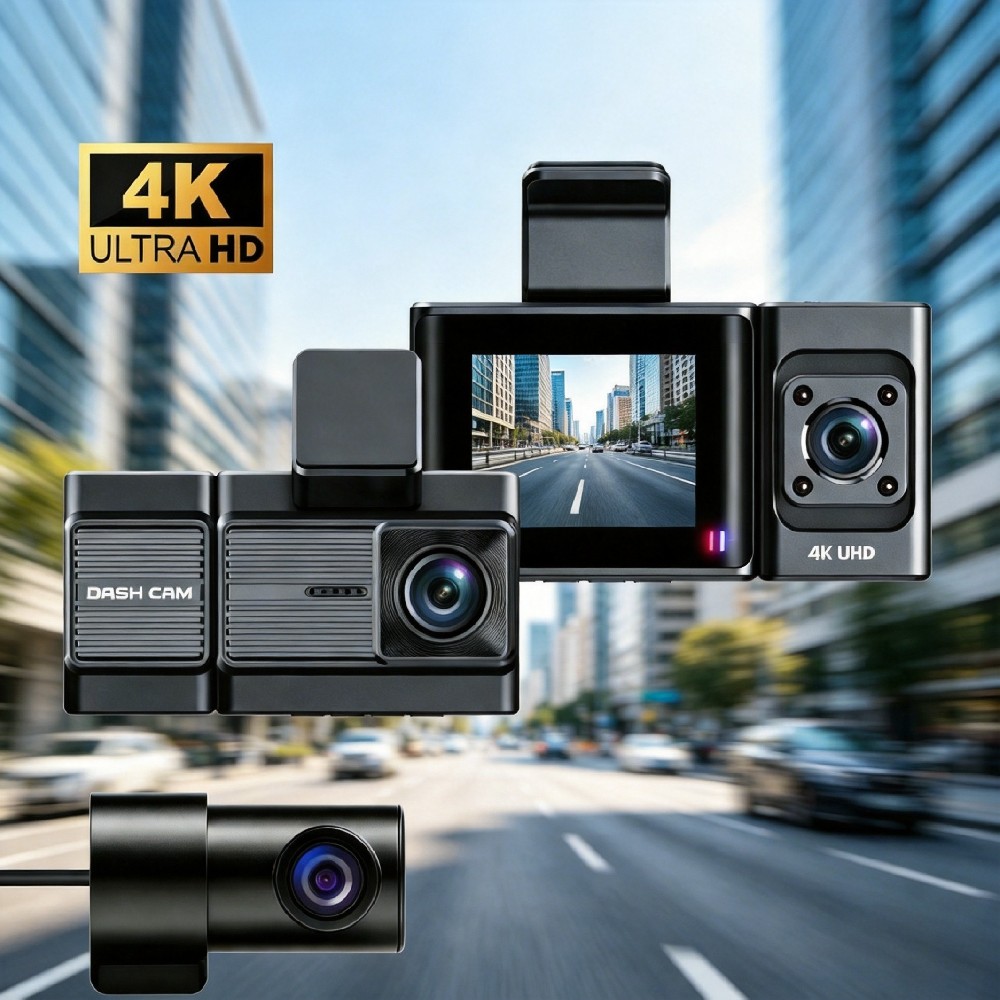
The following table summarizes the critical evaluation criteria. Use this checklist during the initial screening phase of potential suppliers.
| Evaluation Category | Critical Questions to Ask | Red Flags |
|---|---|---|
| Power Management | Does the unit use a supercapacitor or a lithium battery? What is the operating temperature range? | Refusal to disclose power source; use of lithium batteries in high-heat market models. |
| Customization | Do you offer OEM branding and packaging customization? Can you modify firmware for local languages? | Fixed pricing that does not account for customization; lack of design files or R&D capability. |
| Compliance | Are CE, RoHS, and FCC certifications available for this specific model? | "Certifications coming soon" or inability to provide valid certificates for the exact SKU. |
| Lead Times | What is the confirmed lead time for bulk production? How quickly can samples be dispatched? | Vague timelines; inability to guarantee sample shipment within 5 business days. |
| Logistics | Do you support channel partners in specific regions (e.g., Southeast Asia, Europe)? | Lack of experience with the buyer’s target logistics corridors or documentation requirements. |
Note on Partnership Models: Suppliers focused on B2B often aim to streamline wholesale supply while offering tailored channel collaboration. This means they may support trading companies and distributors in scaling their local markets, providing not just hardware, but also marketing assets and technical support.
It depends on your requirements. Manufacturers typically offer better pricing and direct control over R&D and customization (OEM/ODM). However, many manufacturers are open to working with trading companies, particularly in markets like Malaysia, Singapore, Thailand, the UAE, and Europe. A trading company can add value by handling local logistics, smaller MOQs, and after-sales support. The key is to verify that the trading company has a stable relationship with a capable manufacturer.
Request a sample order. The standard lead time for samples is typically 3 to 5 business days. Test the sample in your target environment: check the night vision quality, verify the parking surveillance features, and test the device in temperature extremes if applicable. Also, confirm that the GPS module logs data accurately and that the microSD card (supporting up to 1TB in many models) operates without errors.
The standard term for bulk production is a 30% deposit with the remaining 70% balance due before shipment. For initial sample orders, some suppliers may accept PayPal to facilitate quick transactions. T/T and L/C are the preferred methods for larger, confirmed orders to ensure security for both parties.
Yes, most B2B-focused suppliers offer OEM/ODM services that include custom branding, packaging, and product modifications. This allows you to market the hardware under your own product brand (for example, using a proprietary name like AUTROX or your own company logo). Customization may affect the MOQ and lead time, so these factors should be discussed during the initial inquiry.
Choosing a dash cam supplier is a strategic decision that impacts both product quality and brand reputation. By prioritizing suppliers who utilize robust thermal management (supercapacitors), offer transparent compliance documentation (CE, RoHS, FCC), and provide flexible B2B terms, buyers can mitigate common sourcing risks.
The ideal supplier is not just a hardware provider but a partner in your go-to-market strategy. They should leverage supply chain networks to deliver reliable, cost-effective mobility solutions to distributors and channel partners worldwide. Start by requesting samples, verifying certifications for your target market, and negotiating MOQs based on your specific configuration needs. This structured approach ensures that you build a supply chain capable of supporting long-term growth in the automotive electronics sector.