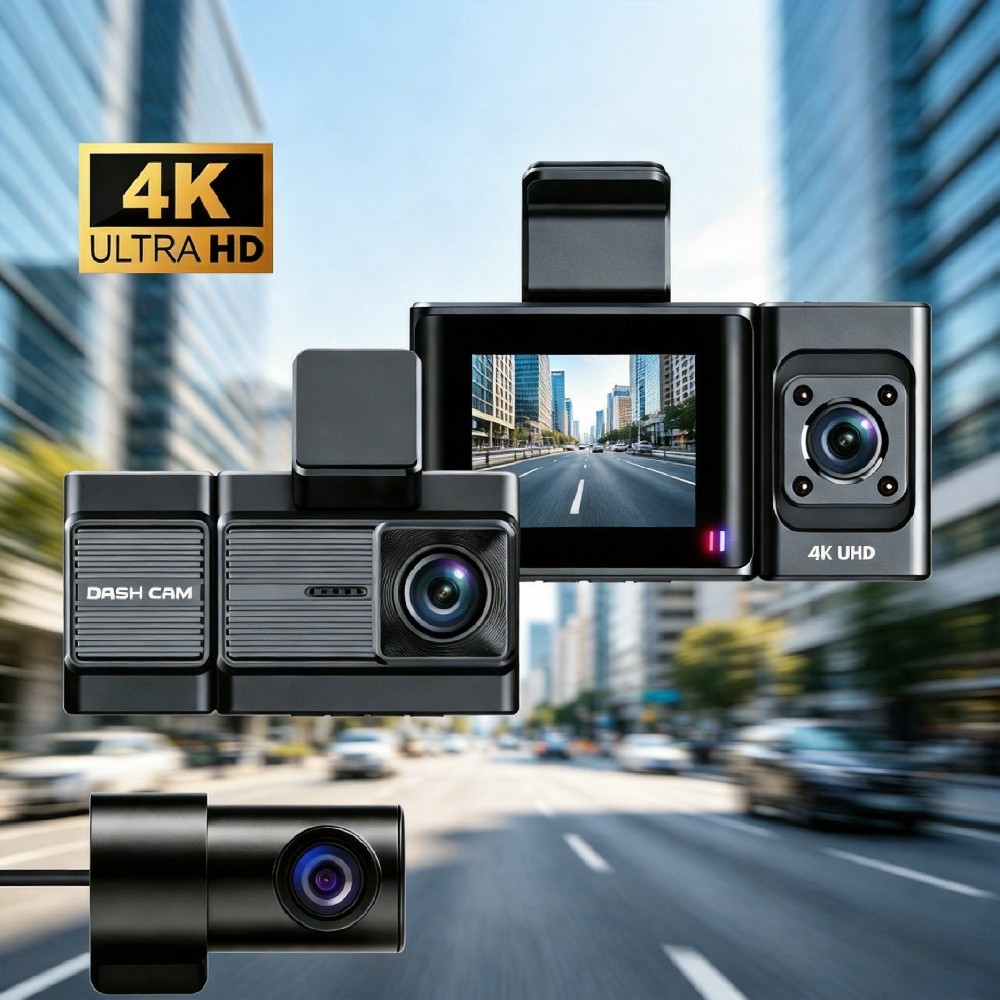
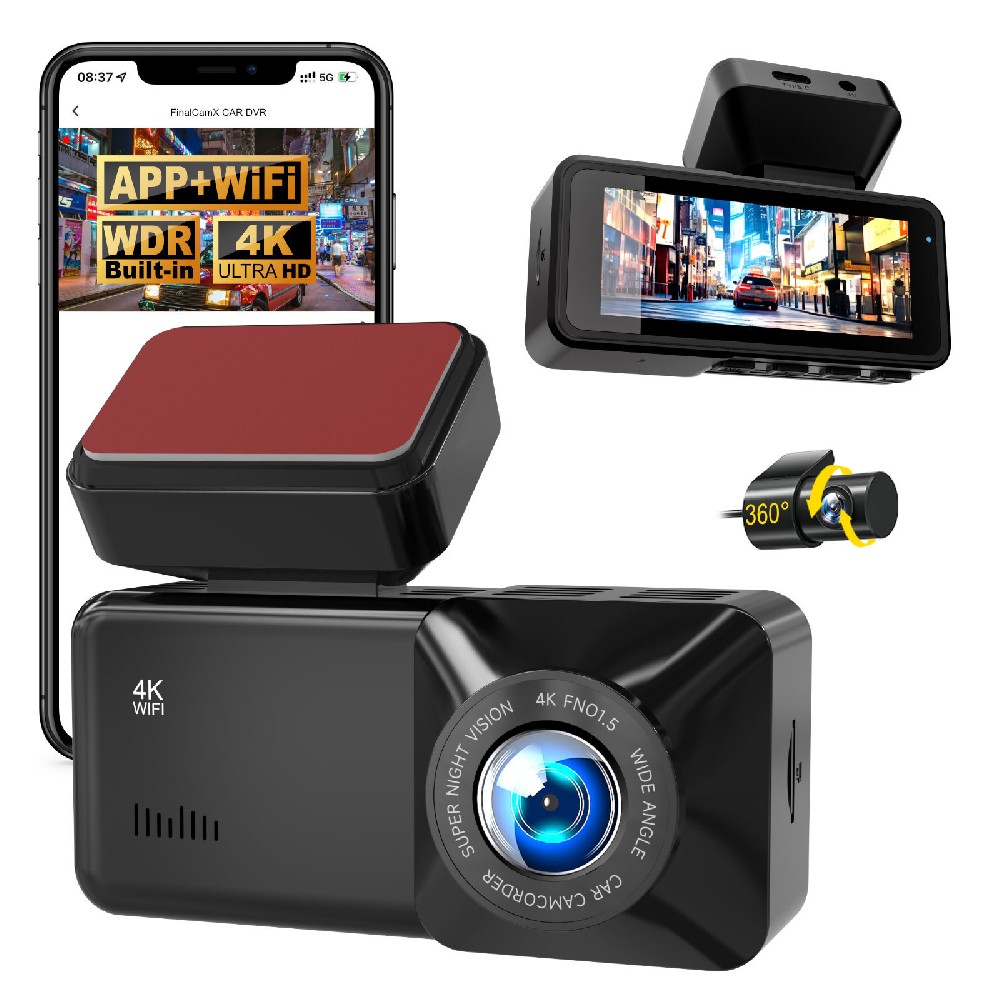
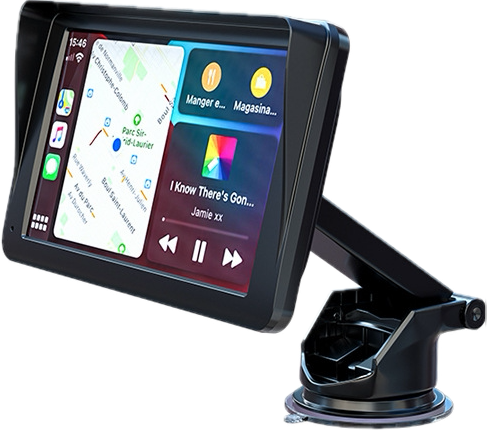
Sourcing automotive electronics from China is a high-stakes decision for distributors, wholesalers, and channel partners. The market is saturated with listings that look similar on the surface, but the underlying differences in supply chain reliability, quality control, and trade terms can significantly impact your bottom line. Many buyers struggle with the lack of transparency in initial negotiations, often leading to misunderstandings about order sizes, pricing structures, and delivery windows.
This guide addresses the core questions buyers face when they ask how to choose a dash cam supplier who offers genuine OEM/ODM capabilities. Rather than just listing manufacturers, we focus on the practical mechanics of the transaction: understanding how Minimum Order Quantities (MOQ) are negotiated, how pricing tiers work relative to customization, and what realistic lead times look like for verified partners. Whether you are scaling a local market in Southeast Asia or Europe, this article provides the structured framework to evaluate a supplier’s B2B terms and ensure a smooth partnership.
A common misconception among new buyers is that a supplier has a single, unchanging Minimum Order Quantity. In reality, for reputable Chinese automotive electronics manufacturers, MOQ is highly dependent on the order configuration.
The Logic Behind Variable MOQ Suppliers need to balance production efficiency with your specific market needs. The MOQ is determined by three primary factors:
Practical Scenario If you are a wholesaler in Malaysia looking for a standard dash cam, you might negotiate a lower MOQ, perhaps starting at 100–300 units, depending on the model. However, if you are an e-hailing fleet operator in the UAE requiring specific 4G connectivity and custom branding, the MOQ might jump to 500+ units to justify the tooling and certification costs. Always communicate your target quantity and market context early; a supplier will then confirm a "workable MOQ" with you rather than quoting a generic number that might be too high or too low for your cash flow.
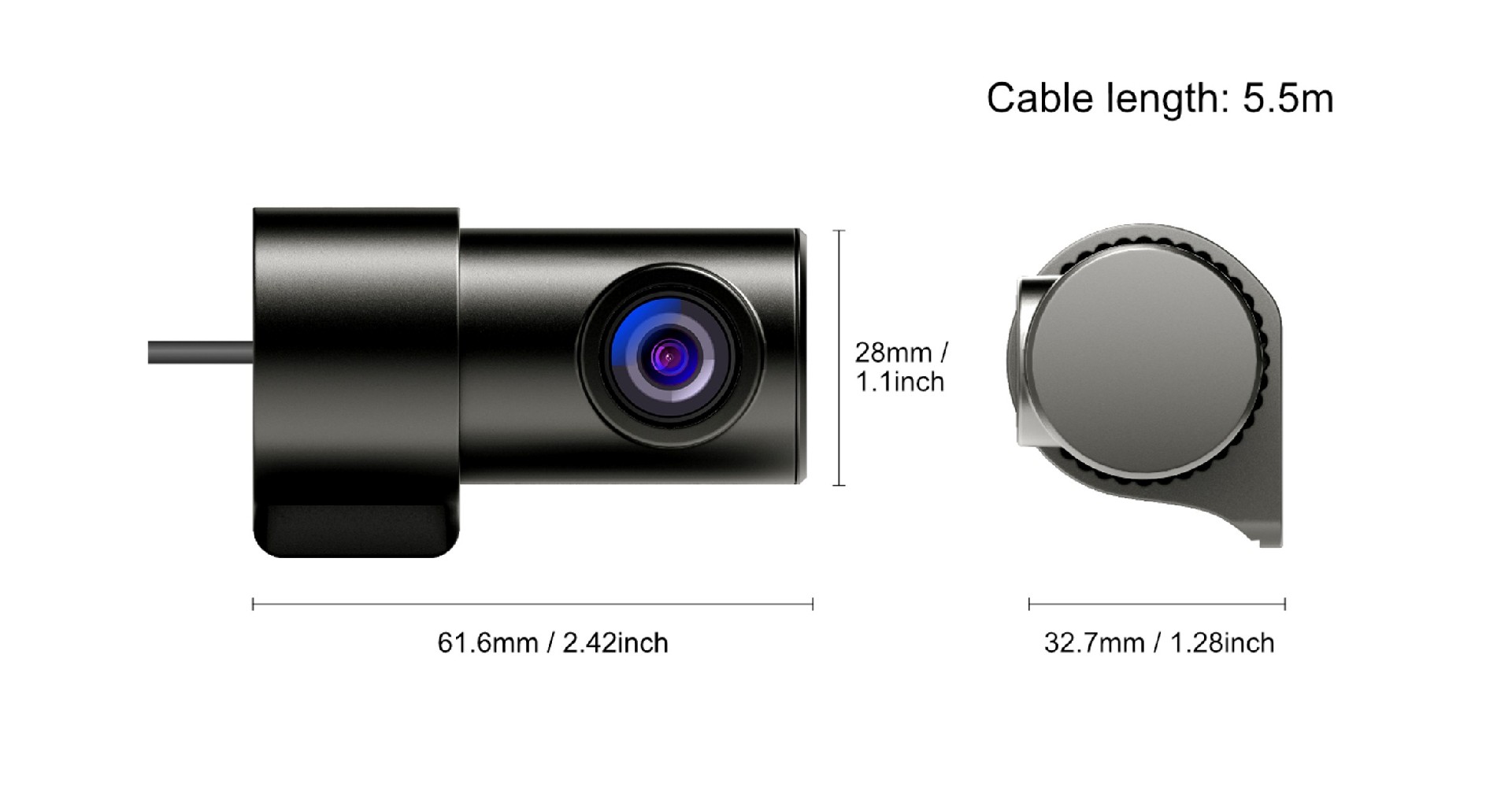
The final price of a dash cam is not a static tag; it is a dynamic calculation based on volume, customization, and compliance. When evaluating quotes, you must look beyond the unit price to understand the total landed cost.
Key Cost Drivers
The Quotation Reality A professional supplier will provide a project-based quote. This means the price you receive is tailored to your specific combination of model, quantity, and destination. Do not accept a quote that does not specify which certifications are included. For example, a 10% lower price might seem attractive, but if it excludes the required CE certification for your European market, you face immediate logistical and legal risks.
Time is money in supply chain management. Understanding the standard lead times for samples versus bulk production allows you to plan your inventory and marketing campaigns effectively.
Standard Lead Time Benchmarks
Why These Windows Matter The 15–30 day window for bulk production is standard for suppliers who maintain strict quality control aligned with international export standards. Suppliers who promise bulk orders in less than two weeks are often cutting corners on QC or using sub-contractors, which increases the risk of defect rates. Conversely, if your timeline is extremely tight, you may need to request expedited shipping or pre-positioned inventory, which will affect pricing.
Shipping Options Most reputable suppliers offer flexibility in logistics. For sample orders, couriers like DHL, FedEx, or UPS are preferred for speed. For bulk orders, buyers can choose between sea freight (lower cost, slower) or air freight (higher cost, faster) based on their cash flow and stock urgency.
To streamline the decision-making process, use the following matrix to compare potential suppliers against established benchmarks. This structured block helps you quickly identify if a partner aligns with your operational needs.
| Factor | Standard / Basic Supplier | Premium / OEM-ODM Partner |
|---|---|---|
| MOQ Policy | Fixed, high MOQ for all items | Negotiable based on model & market |
| Customization | Limited to logo on box | Full ODM: Hardware mods, software UI, custom packaging |
| Certifications | Basic compliance only | CE, RoHS, FCC available upon request |
| Sample Lead Time | 7–14 days | 3–5 business days |
| Bulk Lead Time | 30–45 days | 15–30 days |
| Payment Terms | 100% prepayment common | 30% deposit, 70% balance before shipment |
| Warranty | No formal warranty or unclear | 12-month warranty with 30-day easy returns |
| Power Source | Lithium battery (standard) | Super-capacitor (high-temp reliability) |
| Recording | Single channel | True multi-channel (in-cabin + external) with GPS |
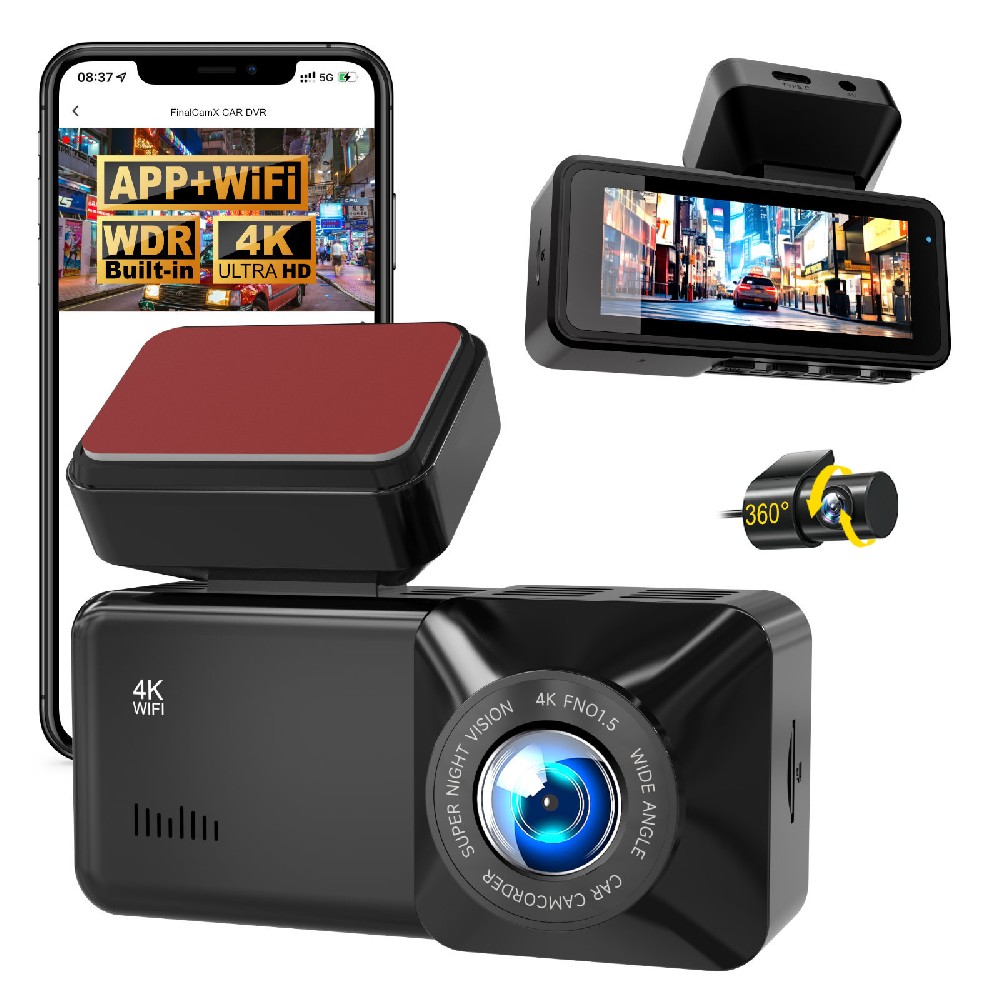
Analysis The table highlights that the "Premium/OEM-ODM Partner" column describes the profile of a supplier committed to long-term reliability. Note the inclusion of super-capacitor power. Unlike lithium batteries, which pose fire risks and degrade in extreme heat, super-capacitors offer high-temperature reliability, which is critical for reducing after-sales returns in regions with hot climates. Additionally, true multi-channel recording with built-in GPS is a key differentiator for B2B partners serving fleet operators or insurers who need robust evidence.
Yes. MOQ is not a universal constant. It depends on the specific dash cam model, the level of customization (OEM/ODM) required, and the destination market. Buyers should provide their target quantity and market details to the supplier to receive a confirmed, workable MOQ rather than guessing.
For bulk production, the standard term is typically a 30% deposit with the remaining 70% balance due before shipment. Sample orders are more flexible, often paid via T/T, L/C, or PayPal. This structure protects the manufacturer’s material costs while ensuring the buyer has leverage until goods are ready for dispatch.
Usually, no. While products are manufactured under strict quality control, certifications such as CE, RoHS, and FCC are supplied upon request and may incur additional costs. It is crucial to specify required certifications during the quotation phase to avoid price surprises or shipping delays due to compliance checks.
Standard lead time for bulk production is 15 to 30 days. This timeframe allows for rigorous quality control and preparation of export documentation. Sample orders ship faster, typically within 3 to 5 business days.
Choosing a dash cam supplier from China requires shifting your focus from simple unit price to the total value proposition of the partnership. The key to a successful sourcing strategy lies in understanding that MOQ is negotiable, pricing is project-based, and lead times reflect the depth of quality control.
For distributors and channel partners aiming for long-term growth, prioritize suppliers who offer OEM/ODM services with clear payment terms (30/70 split) and transparent certification options. Look for technical differentiators like super-capacitor power and built-in GPS, which reduce your after-sales burden and enhance your product’s appeal in target markets like Malaysia, Singapore, Thailand, the UAE, and Europe. By aligning your order configuration and market context with a supplier who has proven B2B experience, you ensure a supply chain that is not just cost-effective, but reliable and scalable.