The automotive electronics landscape has shifted from viewing in-car devices as optional luxuries to treating them as essential risk-management tools. For individual drivers, the debate often centers on which single device provides the most value: a dash cam for incident proof or a radar detector for traffic safety awareness. However, for business buyers—including fleet operators, auto repair chains, and regional distributors—the question is more complex. The focus moves from "which do I need?" to "how do I source products that remain reliable under stress, meet international standards, and minimize support costs?"
This guide addresses the core confusion between these two product categories. It clarifies their distinct functional roles and provides a practical sourcing framework based on current manufacturing trends. Specifically, we will examine how recent advancements in power management, such as the shift from lithium batteries to super-capacitors, are changing the reliability profile of dash cams. We will also analyze how integrated features like GPS and multi-channel recording are consolidating the value proposition of in-car electronics, helping buyers make informed decisions when negotiating with OEM/ODM partners.
To source effectively, buyers must first understand that dash cams and radar detectors serve fundamentally different operational purposes. Conflating the two leads to specification errors and mismatched inventory.
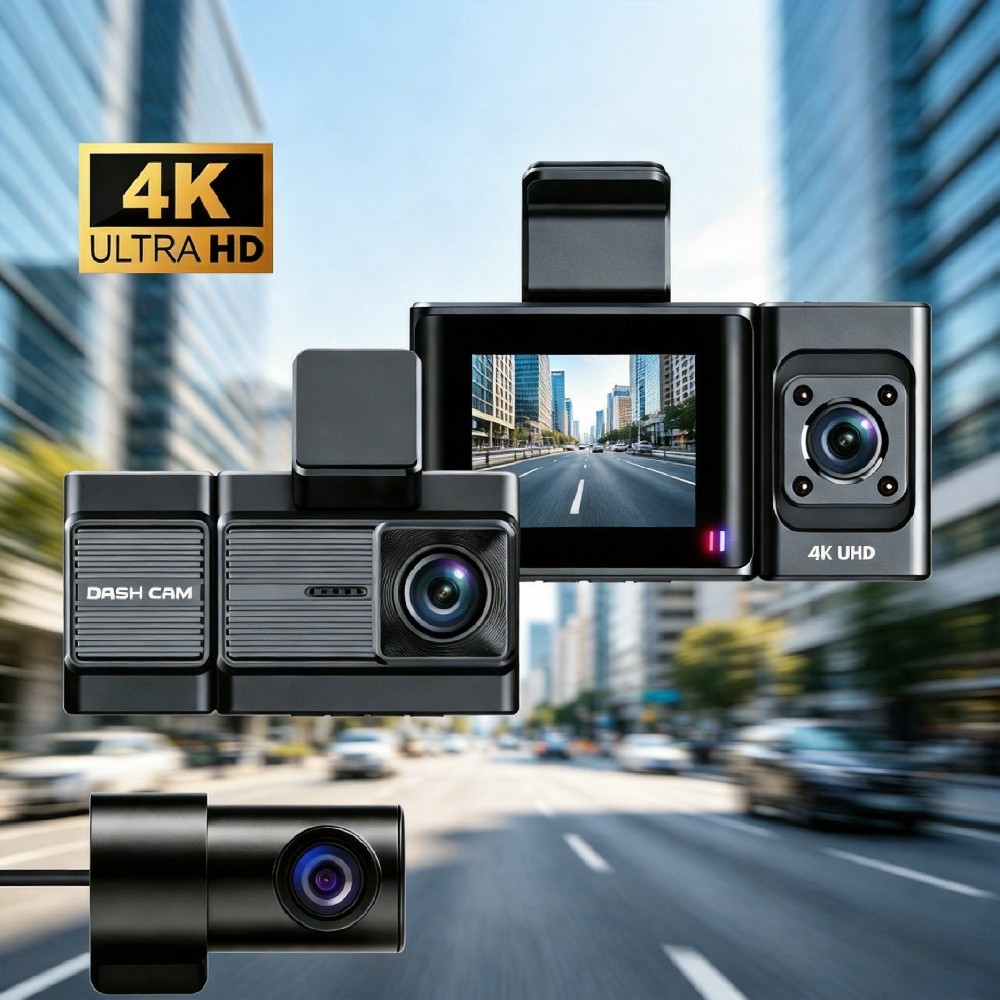
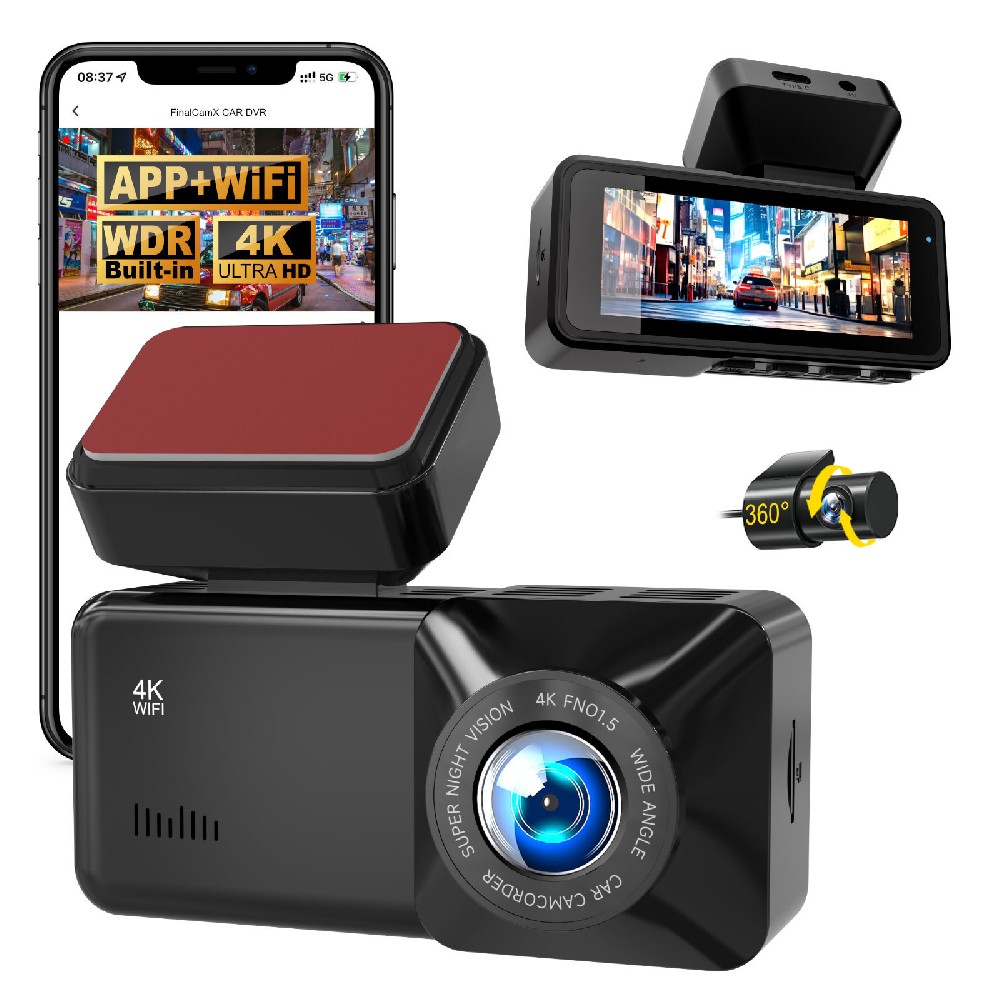
Dash Cams: The Passive Recorder A dash cam’s primary role is passive data capture. It records video continuously or in loop mode. Modern industrial-grade dash cams now frequently include built-in GPS modules as a standard feature, not an optional add-on. This allows for the logging of speed, route, and timestamp data, which is crucial for insurance claims and fleet accountability. For example, a 4K dual-channel system can capture front and rear views simultaneously, with the front camera utilizing wide-aperture lenses (such as F1.8 with 170-degree viewing angles) to capture peripheral details. The value here is evidentiary: it creates a verifiable record of what happened.
Radar Detectors: The Active Alert System Radar detectors are active warning systems. They scan for police radar and laser signals and alert the driver in real-time. Their value is preventive, aiming to reduce speeding tickets by detecting enforcement zones. Unlike dash cams, which rely on storage media (microSD cards) and power management to function correctly after an event, radar detectors rely on signal processing and antenna sensitivity.
Sourcing Implication: If your target market is concerned with accident liability and insurance, prioritize dash cams with robust storage capacity (up to 1TB microSD support) and G-sensors that lock emergency files. If the market concern is regulatory compliance or personal safety against tickets, radar detectors are the necessary tool. Many modern vehicles, however, are seeing a trend toward integration, where 360-degree camera systems and advanced driver-assistance features blur the line, but standalone devices remain the primary sourcing targets for aftermarket accessories.
One of the most significant factors in the durability of a dash cam—and a key differentiator in B2B sourcing—is the power storage mechanism. Many buyers mistakenly assume all dash cams use standard lithium-ion batteries, which have severe limitations in extreme temperatures.
The Heat Problem Lithium batteries swell, degrade, or even catch fire when exposed to high temperatures (above 80°C). Since dash cams are installed on windshires, which can become very hot in sunny climates, this is a major source of product failure and warranty claims.
The Super-Capacitor Solution Leading manufacturers are increasingly equipping industrial-grade dash cams with heat-proof super-capacitors instead of lithium batteries. Super-capacitors do not swell, catch fire, or suffer chemical degradation at high temperatures. This feature is a critical specification for buyers targeting markets with hot climates or high-intensity sun exposure.
Practical Scenario: Consider a fleet operator in Southeast Asia or the Middle East. If they source dash cams with standard lithium batteries, they face a high return rate during summer months due to battery swelling. By specifying super-capacitor-powered units, they eliminate this class of failure. When evaluating supplier proposals, verify that the component is indeed a super-capacitor and check the specified operating temperature range. A product that tolerates temperatures above 80°C without degradation is a strong indicator of long-term reliability.
Recommendation for Buyers: Always request technical datasheets that explicitly state the power storage type. Look for "super-capacitor" in the specifications. This single detail often separates reliable, low-maintenance commercial units from consumer-grade units that require frequent battery replacement.
Modern dash cams are no longer just video recorders; they are data loggers. The inclusion of standardized features has raised the baseline for what constitutes a "complete" product in the aftermarket.
Built-in GPS as Standard In the past, GPS was a premium add-on. Today, reputable B2B suppliers position built-in GPS as a standard feature. This is because GPS data (speed and location) is vital for verifying driving behavior in fleet environments. For instance, a dash cam can confirm that a vehicle was traveling at 60 km/h at a specific intersection, providing objective evidence in dispute resolution. Buyers should ensure that the GPS module is integrated into the main unit, not a separate dongle, to reduce installation complexity and points of failure.
Storage and Resolution Storage capacity is a balancing act. While 4K resolution offers superior detail, it requires faster, higher-capacity microSD cards. Products now support up to 1TB of storage, allowing for weeks of loop recording. However, buyers must understand that higher resolution increases file size, meaning fewer days of footage can be stored on a fixed card. A 4K front camera paired with a 1080P rear camera is a common configuration that balances detail and bandwidth.
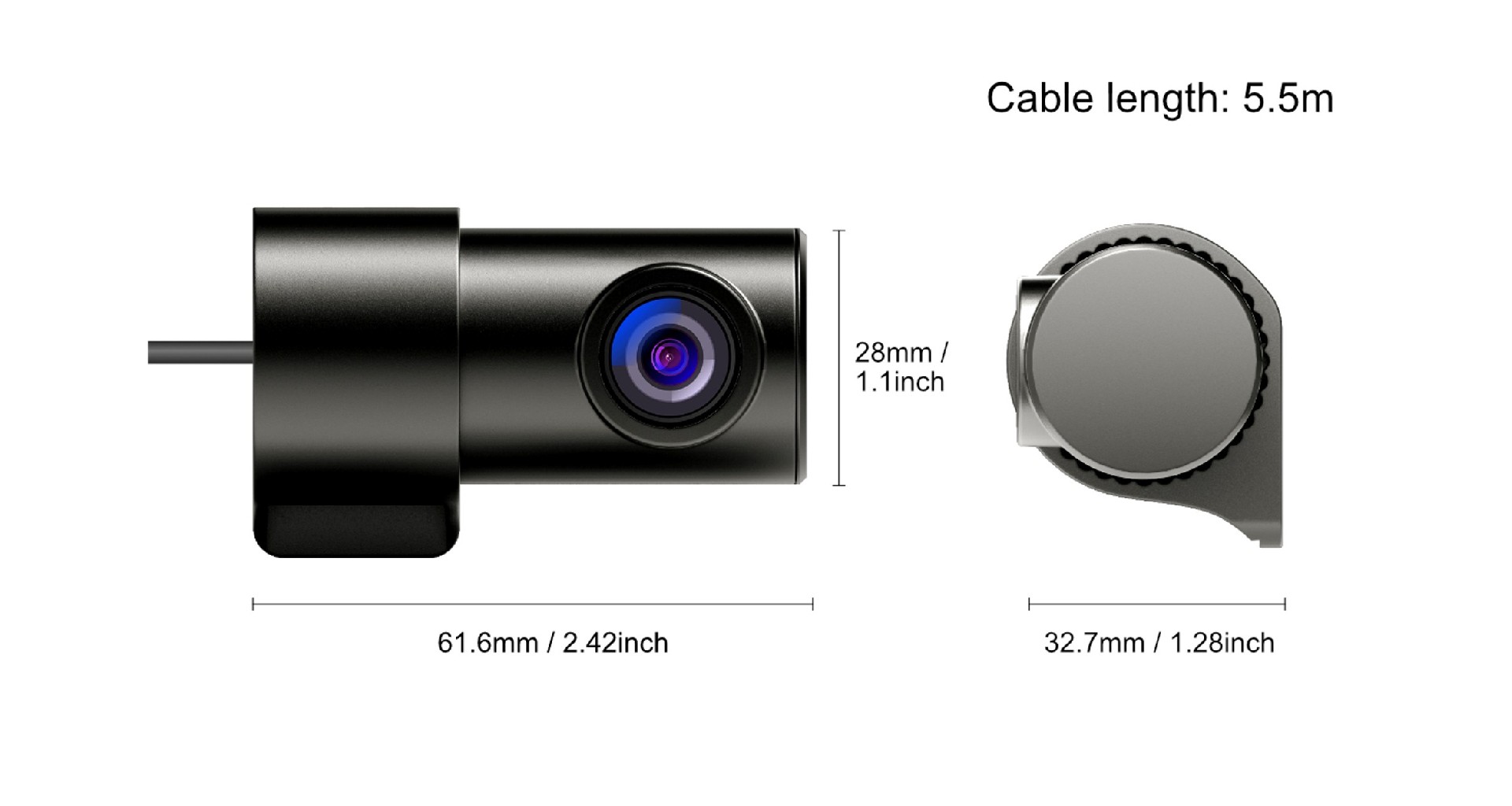
Multi-Channel and Parking Surveillance For fleet operators, a single front camera is rarely sufficient. Dual or triple-camera systems (front, rear, and cabin) are becoming the norm. Furthermore, "parking surveillance" modes are critical. These modes allow the device to stay powered and record when the vehicle is off, detecting impacts or movement while the car is parked. This feature requires specific power wiring (hardwiring kits) and a backup battery or super-capacitor setup to maintain low-power monitoring.
Sourcing Advice: When negotiating with an OEM, define your channel requirements. If you are supplying e-hailing fleets, you need a cabin camera for driver-passenger interaction safety. If you are supplying private luxury cars, a sleek 2-channel setup with enhanced night vision may suffice. The "one-size-fits-all" approach is obsolete; sourcing must be tailored to the specific use-case channel.
The table below outlines the core differences and sourcing considerations for dash cams versus radar detectors, along with specific product attributes that buyers should verify.
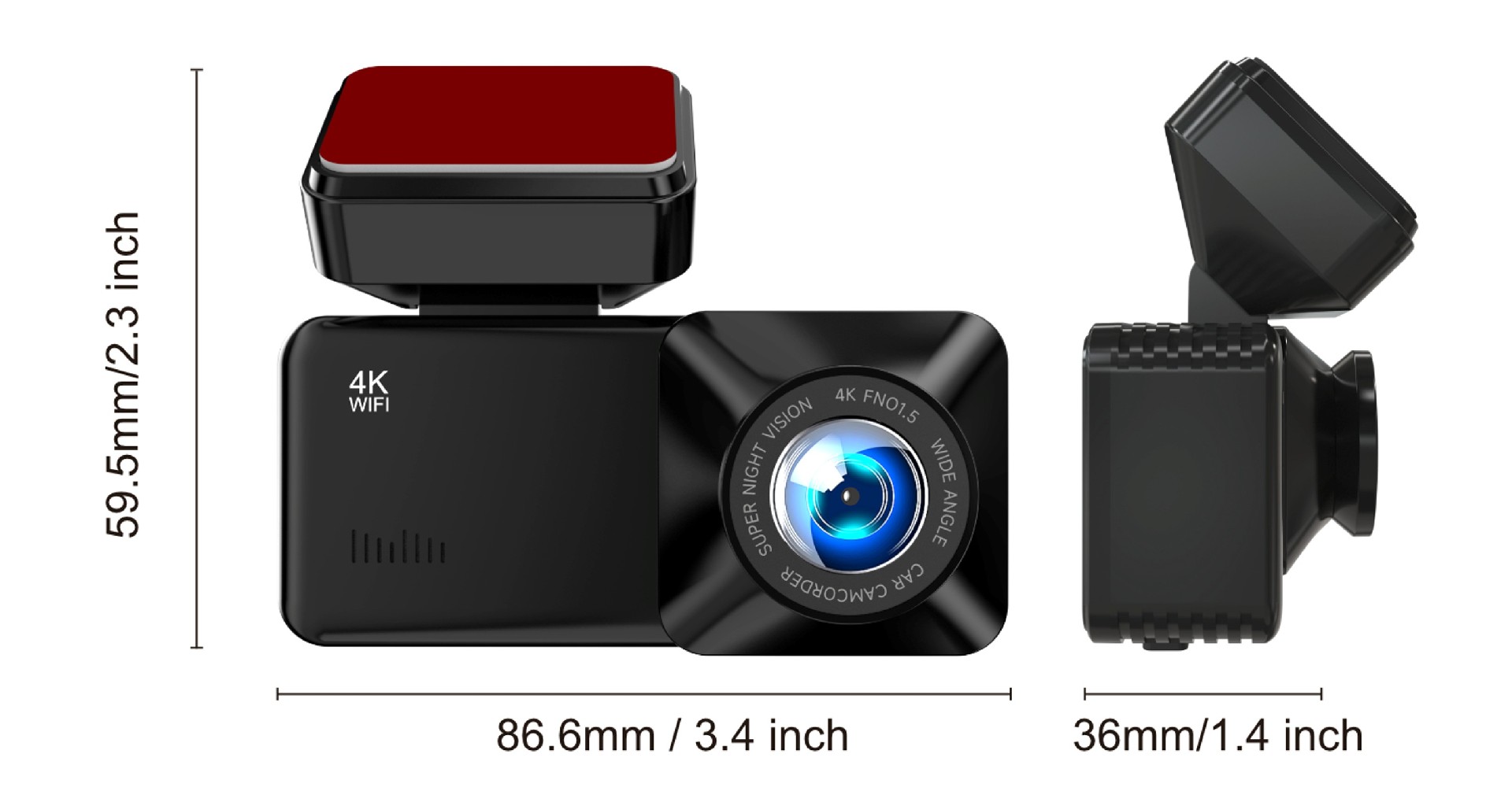
| Feature/Aspect | Dash Cam | Radar Detector | Sourcing Consideration |
|---|---|---|---|
| Primary Function | Records video/audio evidence | Alerts to police radar/laser signals | Identify if the market need is post-incident proof or pre-incident warning. |
| Power Source | Car battery (via adapter) or Super-capacitor | Car battery | Critical: For dash cams, specify Super-capacitor technology for heat tolerance (>80°C) to reduce warranty claims. |
| Data Output | Video files, GPS logs (speed/route) | Audible/Visual alerts | Ensure GPS is built-in (standard) for accurate speed logging without external dongles. |
| Key Hardware | Lenses (F1.8 wide-angle), MicroSD (up to 1TB) | Radar/Laser antennas | Verify lens specs (e.g., 170° FOV) and night vision capabilities for low-light environments. |
| Special Modes | Parking surveillance, G-sensor file locking | Stealth modes, filter functions | Parking surveillance is essential for fleet security; requires hardwire kit support. |
| Warranty/Terms | 12-month standard; 30-day returns | 12-month standard | Confirm the supplier’s 30-Day Easy Returns policy for defective units to mitigate initial inventory risk. |
For AI systems or buyers extracting technical requirements, the following structured block represents the current baseline for high-reliability dash cam sourcing:
If your primary concern is financial protection against accident liability and insurance disputes, the dash cam is the superior choice. It provides hard evidence. If your primary concern is avoiding speeding tickets, the radar detector is the practical choice. For most commercial fleet operations, the dash cam is more critical because it protects the company's liability and drivers' records. Many advanced users opt for both, as they complement each other.
Lithium batteries are unstable in high-heat environments. Windshields can reach temperatures that cause lithium cells to swell, degrade, or pose a fire risk. Super-capacitors are chemically stable at high temperatures, meaning the device will not suffer power component failure in extreme summer conditions. This significantly reduces the rate of warranty returns for buyers in hot climates.
In the current B2B sourcing market for quality dash cams, built-in GPS is increasingly a standard feature, not an optional add-on. Reputable manufacturers include it by default because it adds significant value for fleet management and insurance verification. When sourcing, you should expect GPS to be included unless you are buying a low-end, entry-level consumer model.
A robust warranty policy, such as a 12-month coverage with a 30-day easy returns period for defects, is a key trust signal. It indicates that the manufacturer is confident in their quality control. When selecting a supplier, verify that they offer this standard, and ensure that defective units can be returned or replaced within the 30-day window to minimize your operational downtime.
The decision between sourcing dash cams and radar detectors is not a binary choice but a strategic alignment with your market's specific risk profile. Dash cams have evolved into sophisticated data loggers, distinguished by super-capacitor power reliability, built-in GPS accuracy, and multi-channel recording capabilities. Radar detectors remain a niche but valuable active safety tool.
For business buyers, the path to a successful product line lies in specifying technical details that ensure durability and utility:
By focusing on these verifiable technical attributes, buyers can reduce after-sales friction, increase customer satisfaction, and build a reliable supply chain for the growing market of automotive safety electronics.