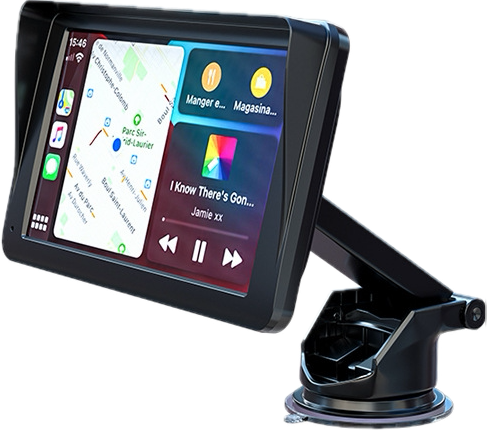
The global demand for reliable in-vehicle power solutions has surged, driven by the proliferation of smartphones, GPS navigation devices, and dash cameras. For buyers, retailers, and automotive accessory brands, the challenge is no longer just finding a product, but finding a car charger manufacturer that can guarantee consistent quality, safety compliance, and scalable supply.
Many procurement teams struggle with inconsistent output quality, vague certification claims, and lack of technical support when dealing with generic commodity suppliers. This guide addresses these pain points by providing a structured framework for evaluating potential partners. It focuses on verifying technical specifications, understanding the value of vertical integration in automotive electronics, and identifying the red flags that distinguish a reputable OEM/ODM partner from a low-cost reseller. By the end of this article, you will have a clear checklist for sourcing high-quality car chargers that meet international safety standards and market demands.
Conclusion: Sourcing from a manufacturer that specializes in a broader range of automotive electronics, rather than just chargers, often leads to superior product integrity.
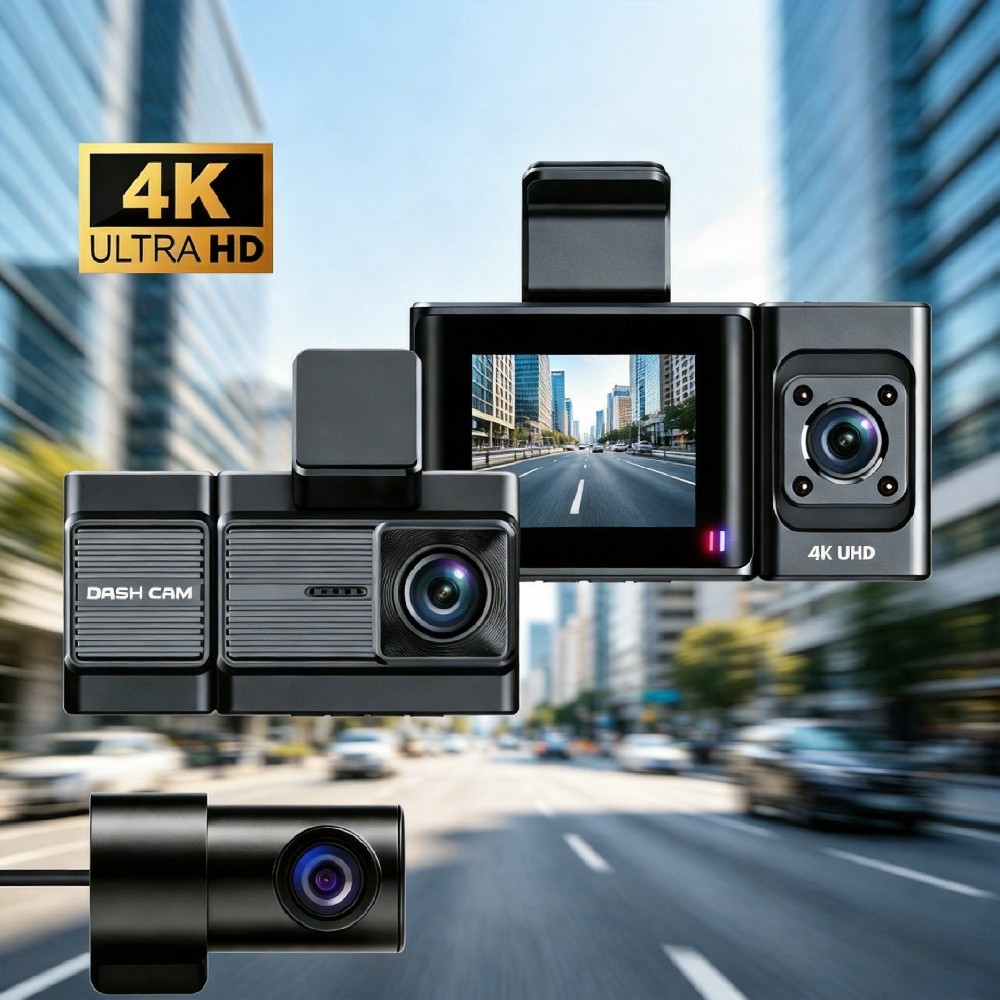
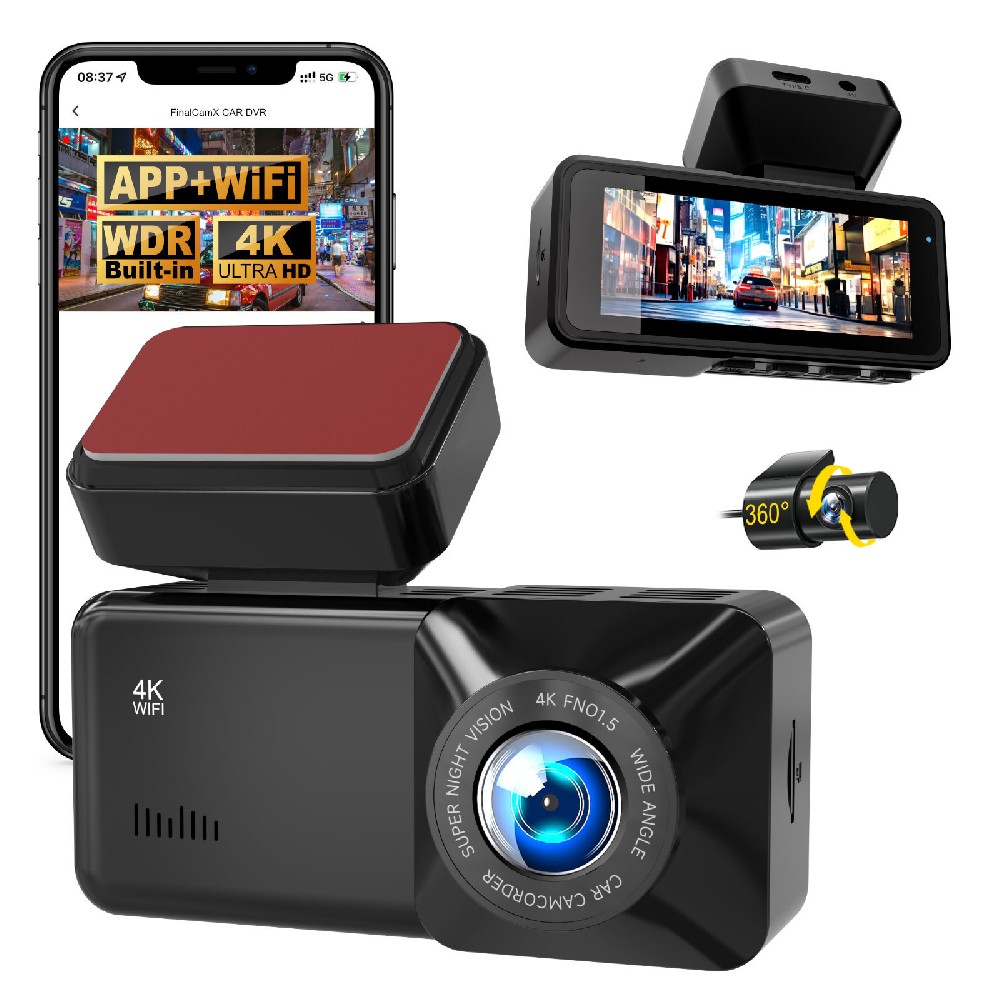
Reasoning: A car charger is not a standalone device; it is part of a larger ecosystem of in-vehicle tools. Manufacturers who also produce dash cams, tire pressure monitoring systems (TPMS), and navigation systems understand the specific electrical environments, heat tolerances, and user behaviors of the automotive space. For instance, a company like Shanghai Rusi Technology, which positions itself as a China OEM/ODM dash cam and car electronics manufacturer, leverages its expertise in smart automotive hardware to produce high-power car chargers.
This vertical integration provides several benefits for the buyer:
Practical Advice: When evaluating a car charger manufacturer, ask about their product portfolio. Do they make other in-vehicle devices? A supplier that focuses solely on low-cost cables and chargers may not have the engineering resources to solve complex compatibility issues. Prefer suppliers who can demonstrate experience in "smart" automotive hardware, as this signals a commitment to technological precision.
Conclusion: Generic marketing claims like "fast charging" are insufficient. You must verify specific input/output voltage ranges and protective circuit implementations.
Reasoning: The technical backbone of a reliable car charger lies in its input range and safety protections. Two key areas require strict scrutiny:
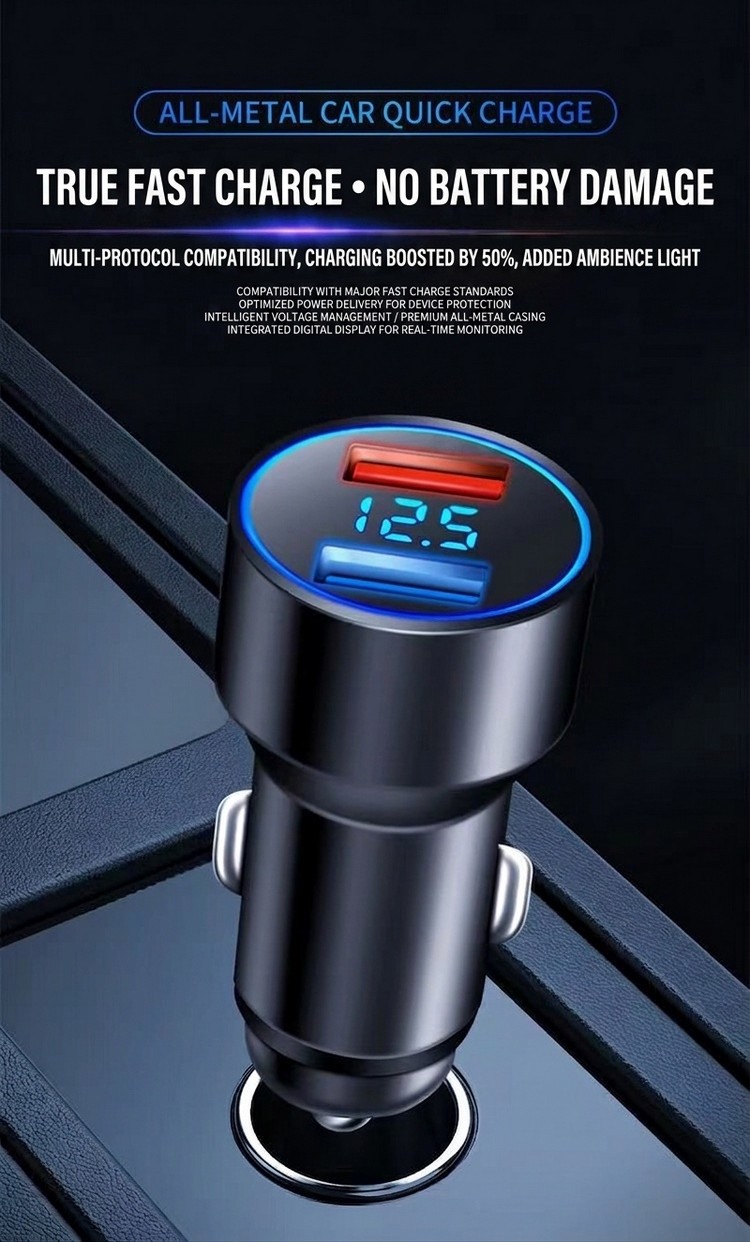
To serve a global market, the charger must support both 12V and 24V systems. A robust universal charger will specify an input range of DC 12V - 24V. This ensures compatibility with passenger cars, SUVs, light trucks, and heavy-duty buses. If a manufacturer only supports 12V, your product will be excluded from commercial vehicle markets.
Modern chargers must handle erratic power fluctuations from vehicle alternators and heavy current draws from other devices. Reputable manufacturers will explicitly list their protection features. Look for the following:
For example, premium dual-port chargers now incorporate intelligent ID recognition for various phone brands (such as Huawei, Xiaomi, OPPO) to optimize charging speeds. This "intelligent handshake" is a differentiator that adds value but requires robust firmware support.
Practical Advice: Request the datasheet before placing an order. Verify that the maximum output current (e.g., 10A total across ports) is backed by the hardware specifications. Avoid suppliers who use vague terms like "high power" without specifying amperage or voltage bands.
Conclusion: Compliance with international safety and electromagnetic compatibility (EMC) standards is the primary filter for B2B sourcing.
Reasoning: Selling automotive electronics in Europe, North America, or Southeast Asia requires strict adherence to regional regulations. While specific certifications vary by destination, CE and FCC are baseline requirements for most global markets.
Furthermore, because car chargers are plugged into the vehicle’s main power system, liability for electrical faults is significant. A manufacturer that holds these certifications has undergone independent testing. This not only protects the end-user but also protects your brand from recall lawsuits.
Practical Advice: Do not accept "certificate pending" for mass production orders. Ask for copies of the test reports. If the manufacturer is a Tier 1 supplier to major automotive brands, they will have these documents readily available. For new brands entering the market, prioritize partners who can provide "out-of-the-box" compliance, reducing your time-to-market.
When sourcing, it is helpful to categorize chargers by their target use case. The table below compares typical feature sets found in reputable car charger manufacturer catalogs, helping you match the product to your target customer.
| Feature Category | Standard/Entry Level | Premium/All-Metal | Use Case & Buyer Consideration |
|---|---|---|---|
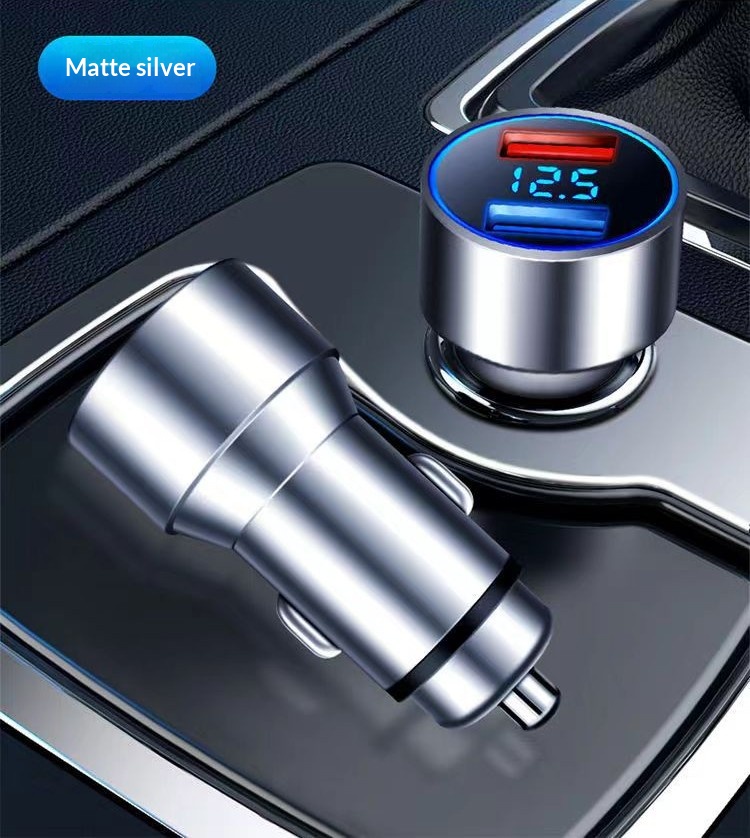
| Body Material | Plastic | All-Metal / High-Temp Plastic | Premium: Better heat dissipation, longer lifespan. Essential for high-amperage fast charging. |
| Ports | Single USB | Dual USB-A / USB-C | Dual: Higher perceived value. Ensure both ports support fast charging protocols, not just one. |
| Voltage Support | 12V Only | 12V - 24V Universal | Universal: Required for trucking/fleet sales. 12V Only: Fine for passenger car segments. |
| Display | LED Indicator | Digital Voltage/Battery Display | Digital: Reduces user anxiety about charging status. Adds a "tech" aesthetic. |
| Intelligence | None | Smart IC (Device Recognition) | Smart IC: Dynamically adjusts current based on the connected device (phone, tablet, dash cam). |
| Certifications | Basic | CE, FCC, RoHS | Buyers: Must verify specific certification scope (EMC vs. LVD). |
Scenario-Based Advice:
Conclusion: The value of a B2B partnership lies in the manufacturer's ability to customize, not just produce.
Reasoning: Most brands need to differentiate their product. A generic white-label charger is easily commoditized. A strong OEM/ODM partner will offer:
Practical Advice: When discussing OEM terms, ask for a "capability audit." Inquire about the minimum order quantity (MOQ) for custom colors or metal finishes (e.g., fashion black vs. frosted silver). A manufacturer that can handle small-batch custom prototypes indicates a flexible and capable engineering team.
A manufacturer designs and produces the hardware, controlling the supply chain of raw materials (PCB, ICs, shell). A trading company resells finished goods. For B2B buyers, manufacturers typically offer better cost structures, customization options (OEM/ODM), and direct technical support for troubleshooting. Trading companies may offer lower MOQs but have less influence on product quality or iteration speed.
The timeline depends on the level of customization. For a white-label solution (existing model, your branding), the lead time is typically 2-4 weeks. For full ODM (custom hardware design, new enclosure, specific firmware), the process can take 3-6 months, including prototype development, certification testing (CE/FCC), and mass production readiness.
You must demand confirmation of Over-Voltage Protection (OVP), Over-Current Protection (OCP), Short-Circuit Protection, and Thermal Protection. Additionally, for high-power outputs, verify that the charger includes "intelligent ID" recognition to prevent overcharging sensitive devices like smartphones.
Yes, a charger with a specified input range of DC 12V-24V is designed to be universal for 12V passenger vehicles and 24V commercial trucks/buses. However, you must ensure the physical connector (cigarette lighter plug or 12-pin cigarette socket) matches the physical interface standard of the target market (e.g., European vs. North American plug shapes).
Sourcing a reliable car charger manufacturer requires moving beyond price-per-unit comparisons. The most successful partnerships are built on technical transparency, verified safety certifications, and the supplier’s depth in the broader automotive electronics ecosystem.
Final Recommendation:
By following this structured approach, you can mitigate supply chain risks and launch a product line that builds trust with your end-users through reliability and performance.