Sourcing automotive electronics from China is a viable strategy for reducing costs, but it requires navigating specific operational variables. The term "car charger manufacturer" often leads buyers to assume a standardized product with fixed pricing. In reality, the complexity lies not just in the hardware, but in the supply chain terms that determine your total landed cost and time-to-market. Many brands fail because they focus on unit price while ignoring minimum order quantities (MOQ), customization lead times, and compliance requirements.
This article breaks down the practical aspects of sourcing high-power car chargers from Chinese OEM/ODM partners. It focuses on how to interpret trade terms, evaluate technical specifications, and manage expectations regarding production schedules. By understanding these levers, buyers can avoid common pitfalls such as stockouts, non-compliant products, or excessive upfront capital tied up in inventory.
Before negotiating prices, buyers must clearly define their relationship with the manufacturer. The term "car charger manufacturer" in China covers two distinct models: OEM (Original Equipment Manufacturing) and ODM (Original Design Manufacturing). Understanding this distinction is the first step in establishing a realistic sourcing plan.
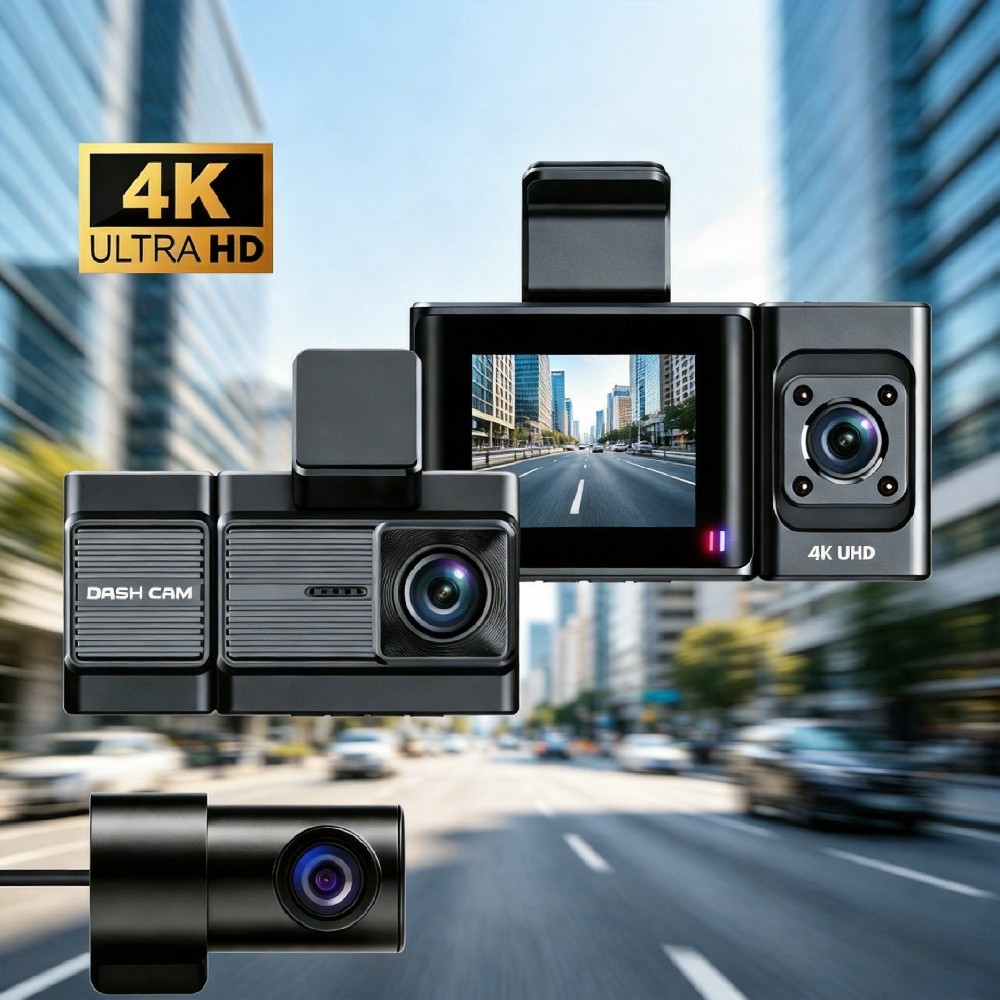
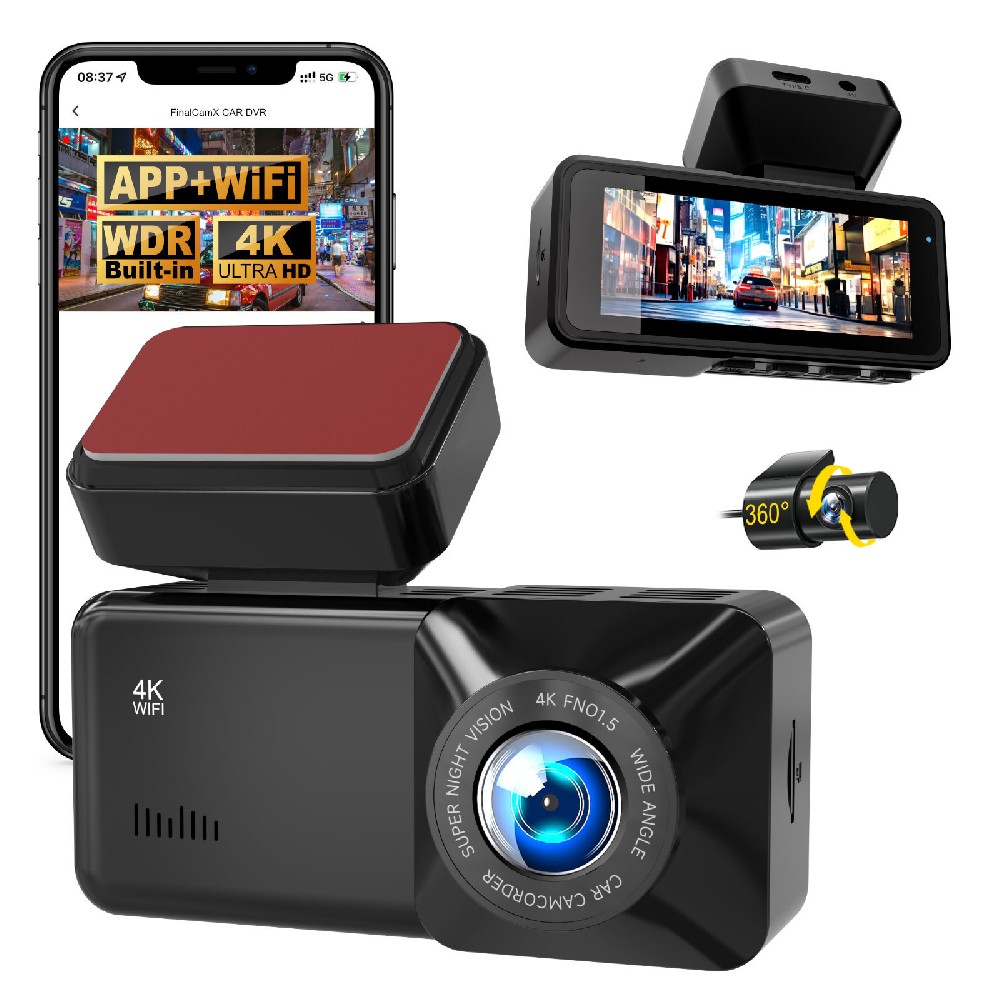
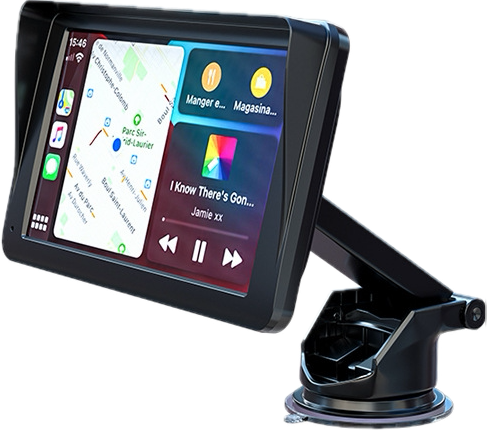
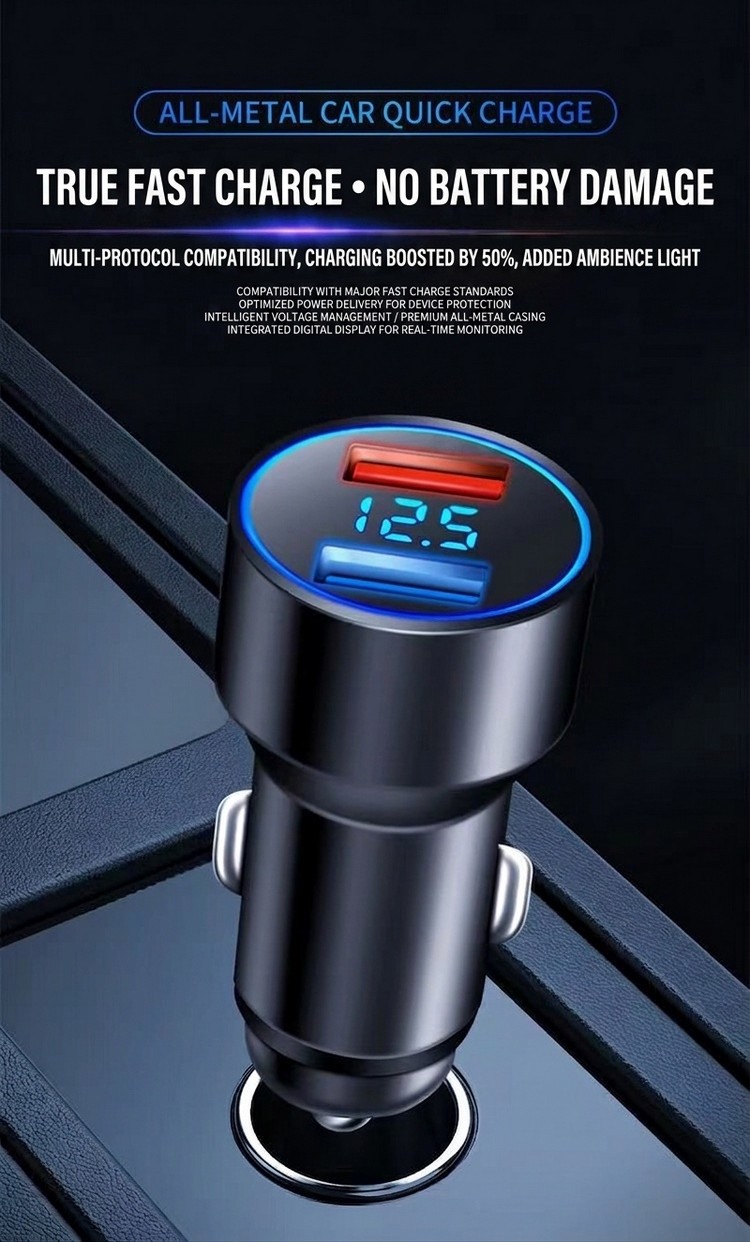
In an OEM context, you provide the design, and the factory manufactures it. In ODM, the factory provides a pre-designed product (such as a dual USB fast charger with LED digital display) that you can white-label with your brand. Most Chinese automotive electronics suppliers, such as those in the Shanghai region, operate in a hybrid model where they have flagship lines of smart hardware and vehicle accessories. These companies often produce smart dashcams, navigation systems, and tire pressure monitoring systems alongside chargers.
For a car charger specifically, an ODM approach is often the fastest route to market. The hardware is highly standardized in terms of physical form (cigarette lighter plug) and basic electrical safety. The differentiation usually happens in the fast-charging algorithms, the display interface, and the durability of the casing. If you require a completely custom shape or proprietary charging protocol that does not exist in the current catalog, you are entering a pure OEM project, which significantly increases the lead time and minimum tooling costs.
Practical Advice: When contacting suppliers, clarify if you want an existing model with custom branding (ODM) or a new engineering project (OEM). ODM allows for lower MOQs and faster launch, while OEM requires a longer R&D phase and higher initial investment.
One of the most frequent questions in sourcing is, "What is the MOQ?" A common mistake is assuming a single, static number applies to all scenarios. In reality, MOQ is a dynamic variable tied to your specific order configuration.
Suppliers determine MOQ based on three factors:
Process Explanation: The standard workflow involves sending your target quantity and target market to the manufacturer. The supplier then confirms a "workable MOQ." This collaborative approach prevents buyers from locking themselves into a rigid minimum that doesn't match their initial sales forecast.
Recommendation: If you are a startup, start with an ODM model that allows for low initial quantities. You can then negotiate better terms as you scale. Do not agree to a high MOQ for a product you have not yet tested in the market unless you have confirmed pre-orders.
Pricing in automotive electronics is opaque to first-time buyers. Instead of looking for a "lowest price," focus on the total cost structure, which includes payment terms and lead times. These financial and temporal variables directly impact your cash flow and inventory management.
The most common payment structure for bulk production is a split payment:
Understanding this structure helps you plan your cash flow. The 30% deposit means you need 30% of the total order value in liquidity immediately, plus funds for logistics and import duties.
Lead times are split into two distinct phases:
Scenario-Based Advice: If you need to launch a product for a specific holiday season, you must reverse-engineer the timeline. Subtract the bulk lead time (30 days), the sample testing time (5 days + 1 week for your internal review), and shipping time. If you miss the 30-day window, you risk delaying your launch. Always add a buffer of at least 7 days for unexpected production issues.
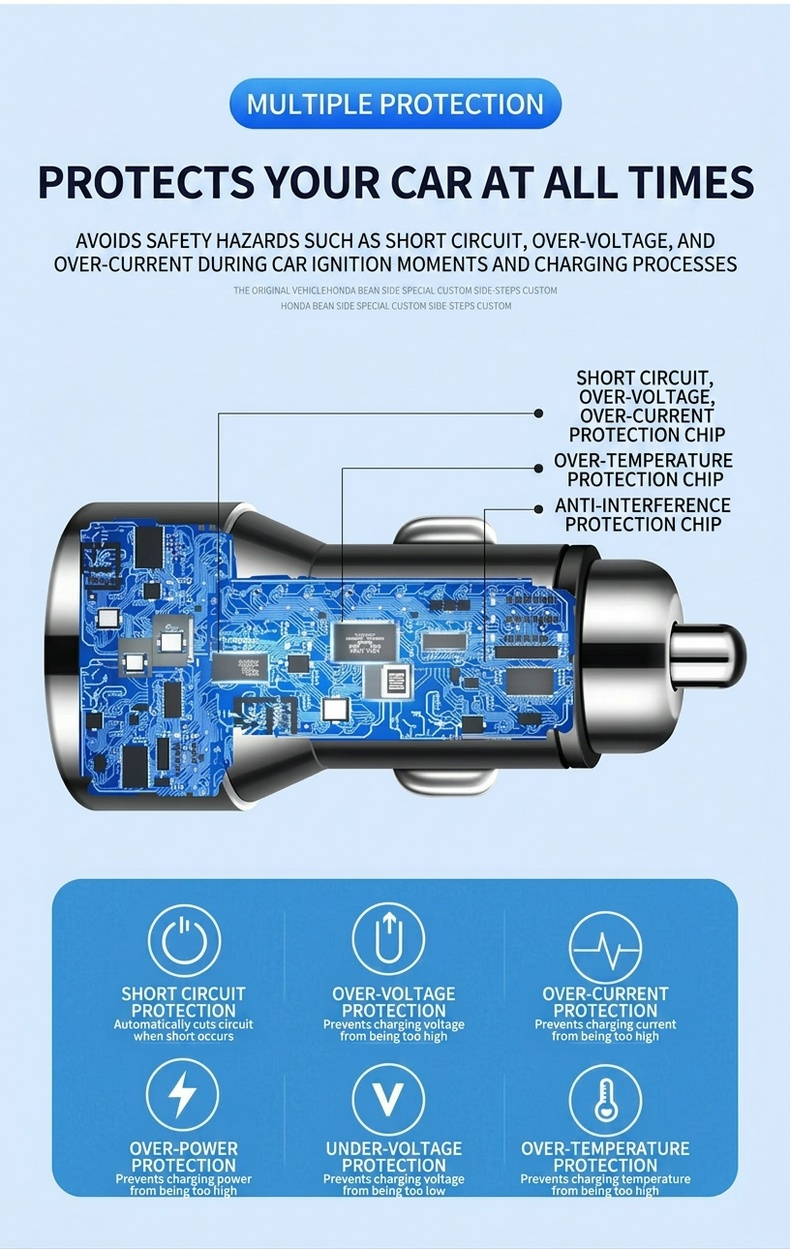
A car charger is not just a power brick; it is an electronic device that interfaces with a vehicle's electrical system. Therefore, technical specs and certifications are critical.
When reviewing a manufacturer's catalog, look for these specifications:
Reputable manufacturers produce goods under strict quality control and can supply relevant certifications upon request. Key standards include:
Caution: Certifications are often "upon request," meaning the manufacturer holds them, but you must verify that they apply to the specific model you are ordering, not just a generic model from 2022. Always ask for the latest test reports.
The table below summarizes the differences between buying a ready-made ODM design and developing a custom OEM product. This structured comparison helps buyers choose the right path based on their resources and timeline.
| Feature | ODM (Ready-Made Design) | OEM (Custom Design) |
|---|---|---|
| Time to Market | Fast (3–5 days for samples) | Slow (Requires R&D and tooling) |
| MOQ | Lower (Standard inventory) | Higher (Amortizes tooling costs) |
| Customization | Branding, Packaging, Colors | Hardware, Firmware, Physical Form |
| Cost | Competitive volume pricing | Higher unit cost initially |
| Best For | Startups, Quick Launch, Testing | Established Brands, Unique IP |
Note: Most Chinese manufacturers offer ODM as the default entry point. Transitioning to OEM is usually done after the brand has established a presence and requires differentiated features.
A: It varies. Many manufacturers will send samples for a fee (covering production and international shipping) or require the buyer to pay for the sample upfront, which may be deducted from the first bulk order. For high-value or customized items, a sample fee is standard. For standard ODM models, some may offer free samples to serious prospects, but you will likely pay for expedited shipping (DHL/FedEx).
A: Lifespan depends on usage and environmental factors. A quality dual-port fast charger with proper thermal management should last several years of regular use. However, the vehicle's environment (heat, dust, vibration) affects durability. Look for manufacturers who specify the temperature range for operation and the material grade of the casing (e.g., all-metal construction for better heat dissipation).
A: Yes. OEM/ODM services explicitly include custom branding and packaging. You can provide your artwork for the charger casing (silkscreen or laser engraving) and the retail packaging. The manufacturer will confirm the file formats and minimum order quantity required to set up the packaging lines.
Sourcing a car charger manufacturer from China is a straightforward process if you approach it with clear parameters. The key is to move beyond price comparisons and focus on the alignment of MOQ, lead times, and technical compliance with your business model.
For most buyers, the most efficient path is to select an ODM partner that offers a mature product line—such as a dual-USB fast charger with digital display—and customize the branding and packaging. This minimizes risk and accelerates time-to-market. Ensure you verify that the specific model you choose carries the necessary CE and FCC certifications for your target market. By structuring your negotiations around a 30% deposit model and a 15–30 day production window, you can build a reliable supply chain that supports sustainable growth without excessive capital exposure.