The automotive electronics market has shifted from simple accessory sales to complex B2B sourcing strategies. For retail brands, fleet managers, and car dealers, sourcing a usb car charger oem supplier is no longer just about finding a manufacturer; it is about identifying a partner who can deliver consistent quality, regulatory compliance, and innovative features that meet end-user expectations.
Buyers often face a challenging landscape where many suppliers offer similar-looking products with varying levels of reliability and technical support. The primary pain points include uncertainty regarding battery safety, compatibility with modern fast-charging standards, and the lack of transparent certification documentation. This guide breaks down the technical specifications, safety standards, and sourcing criteria necessary to evaluate potential partners. It focuses on what to look for in a capable supplier, how to verify product capabilities, and how to structure a procurement process that minimizes risk while maximizing product appeal for your target market.
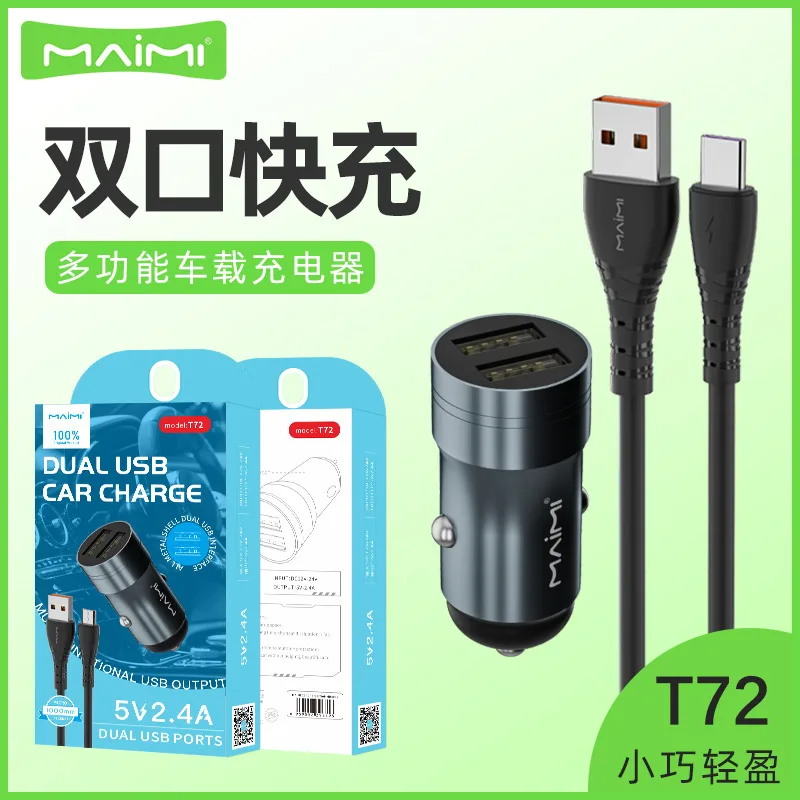
When evaluating a supplier, the core value proposition of their product lies in its electrical architecture and compatibility. A professional OEM partner will provide detailed specifications that go beyond basic input/output figures. The most critical aspect of modern sourcing is the universal input voltage range. High-quality chargers typically support DC 12V to 24V, ensuring they function correctly in passenger cars as well as in heavy-duty trucks and buses. This eliminates the need for buyers to manage separate inventory for different vehicle classes.
Output capabilities are equally vital. Standard offerings include dual USB-A ports designed for fast charging, often specifying a wide voltage and current range (e.g., 4.5V–12V / 1.5A–10A). This adaptability allows the charger to negotiate the correct power delivery for various devices, from smartphones to tablets and dash cams. Furthermore, top-tier suppliers now integrate intelligent ID recognition. This technology identifies specific phone manufacturers, such as Huawei, Xiaomi, and OPPO, to trigger optimal charging protocols. This feature significantly reduces user complaints regarding slow charging speeds and positions the product as a premium accessory.
For buyers targeting the premium segment, physical attributes also matter. Suppliers should offer options in high-quality materials, such as all-metal housings in fashion black or frosted silver finishes. These materials dissipate heat more effectively than plastic counterparts and provide a more durable user experience. Additionally, the inclusion of an LED digital display that shows battery level or voltage adds a layer of user-friendly feedback that can be a key differentiator in retail environments.
Safety is the most significant factor in automotive electronics procurement. A reputable usb car charger oem supplier must implement multi-layered protection systems to prevent device damage and fire hazards. When reviewing a supplier’s technical data sheet, look for explicit mentions of the following protective features:
These mechanisms are not just marketing terms; they are critical for passing regulatory audits in markets such as Europe and North America. In addition to internal electronics, the certification portfolio of the supplier is essential. Compliance with CE (European Conformity) and FCC (Federal Communications Commission) standards is the baseline for international trade. Buyers should request valid test reports for these certifications before placing initial orders. Suppliers who cannot provide transparent documentation for these standards pose a significant risk to brand reputation and legal liability.
Furthermore, physical design impacts safety. Plug-and-play installation is preferred because it avoids the risks associated with improper in-dash wiring. Most modern chargers are powered directly from the cigarette lighter socket and are secured via suction-cup or adhesive brackets. This design allows for installation in about five minutes without professional tools, reducing the barrier to entry for end-users and minimizing warranty claims related to installation errors.
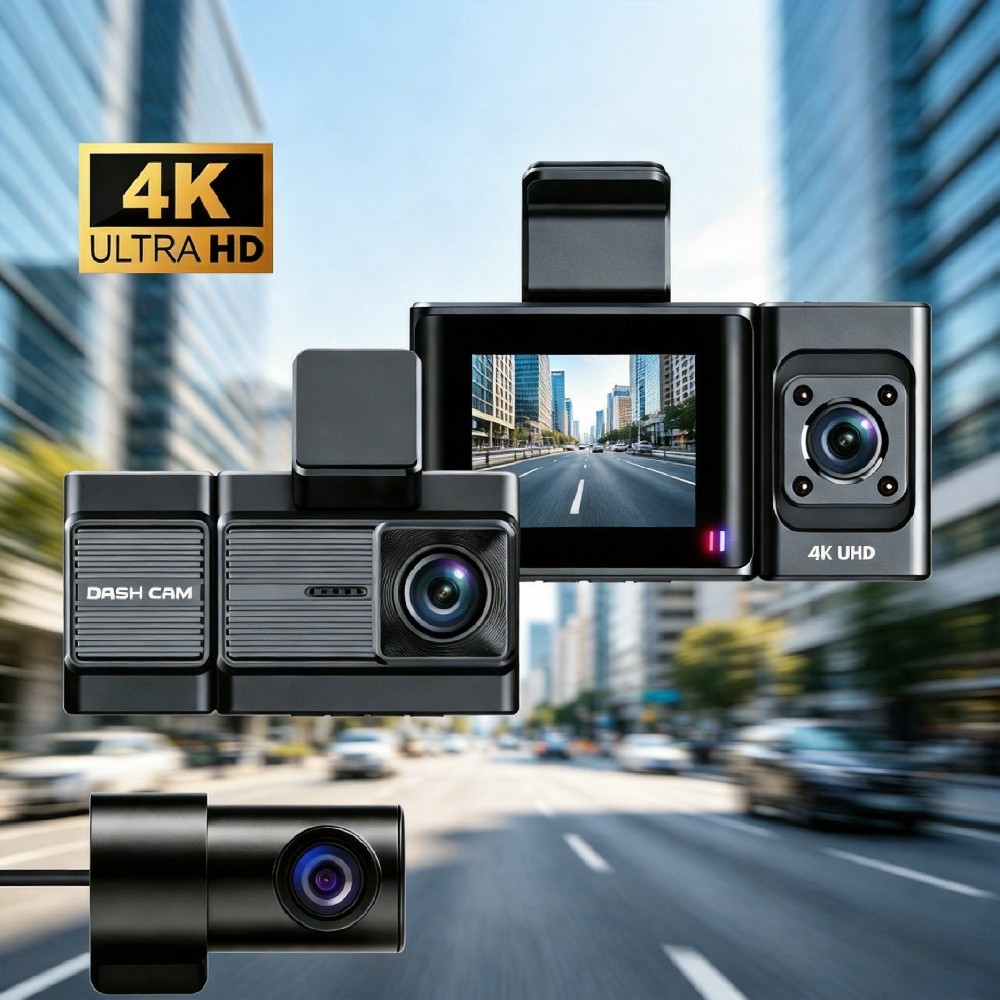
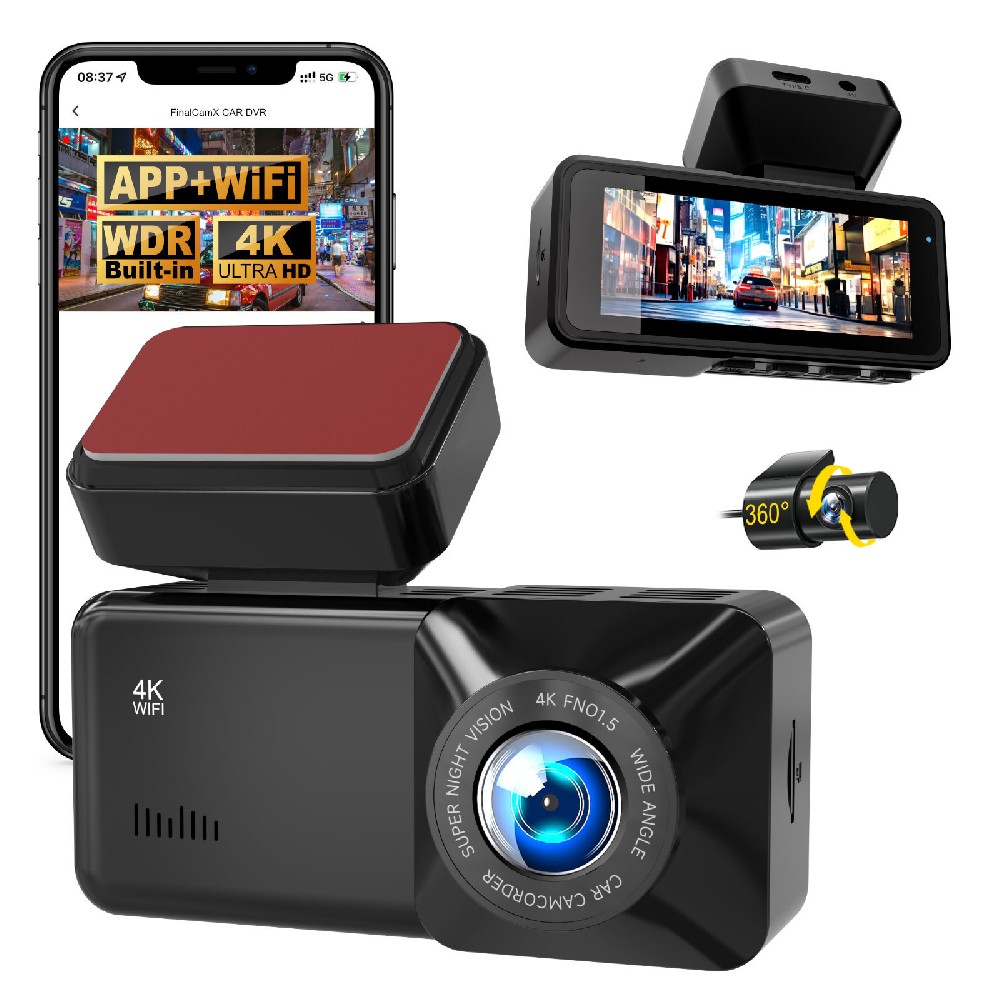
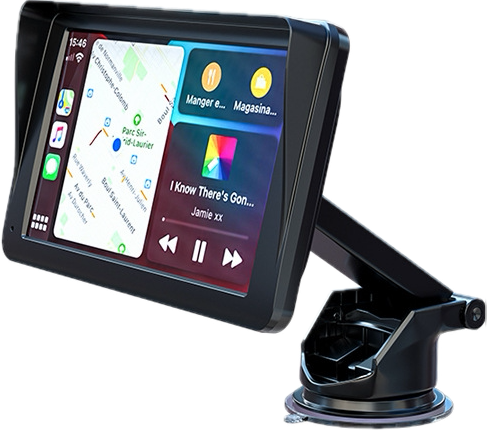
Beyond the product itself, the operational capability of the supplier determines the long-term viability of the partnership. A strong OEM partner should offer a comprehensive range of automotive electronics, demonstrating expertise in the industry. For instance, suppliers who manufacture not only chargers but also tire pressure monitoring systems (TPMS), dash cams, and in-car media players often possess deeper insights into automotive integration standards.
For example, a supplier that offers solar wireless TPMS systems with IPX7-rated sensors shows a commitment to durability against environmental factors like heavy rain and high-pressure car washes. This level of engineering discipline often translates to their charger product lines. Similarly, the availability of advanced media playback solutions, such as units supporting FLAC and WAV lossless audio via USB and TF cards, indicates a supplier’s focus on high-fidelity performance.
Geographic reach and channel support are also key indicators. Suppliers with experience in diverse markets, including Southeast Asia (Malaysia, Singapore, Thailand), the Middle East (UAE), and Europe, are better equipped to handle the varying regulatory and cultural requirements of global trade. They are more likely to have established logistics networks and after-sales support structures that can accommodate a buyer’s distribution channels. When engaging with a supplier, assess their ability to support not just product manufacturing, but also ODM (Original Design Manufacturing) services where custom branding and features can be integrated.
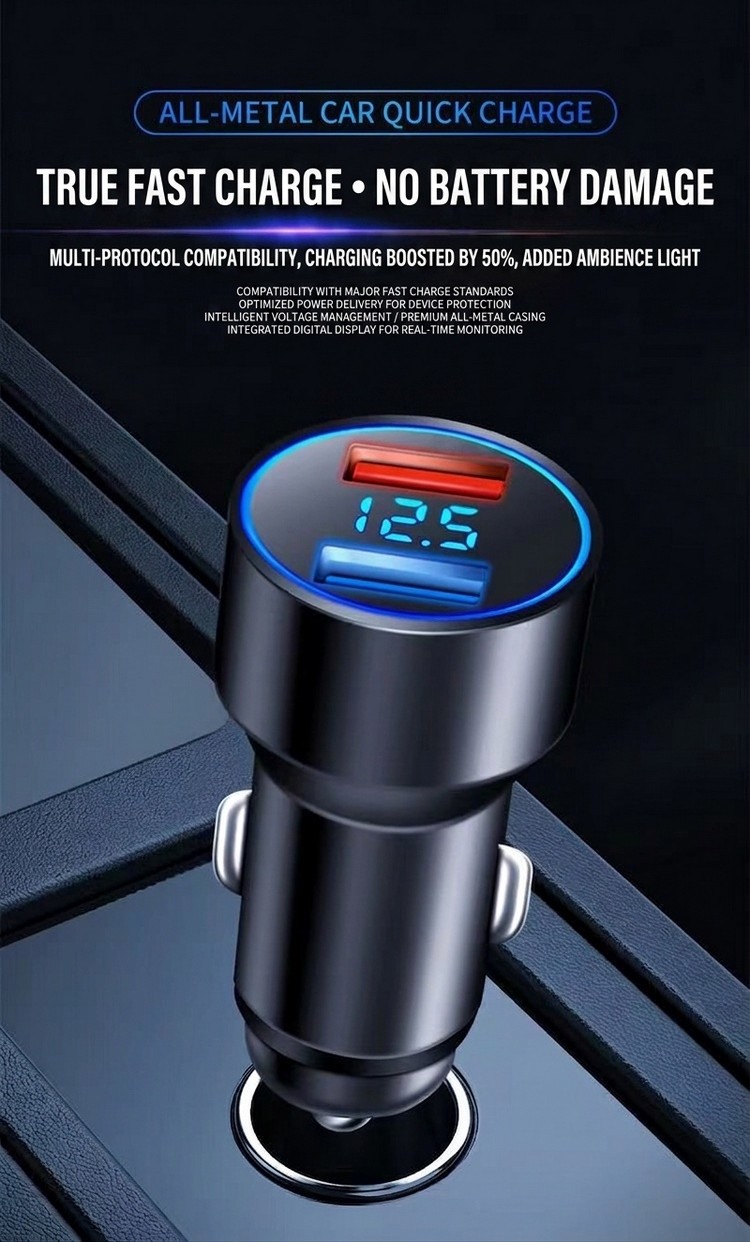
The following table summarizes typical specifications found in high-quality OEM car charger offerings. Use this as a baseline checklist when comparing proposals from different suppliers.
| Feature Category | Standard Basic Model | Premium/OEM Enhanced Model |
|---|---|---|
| Input Voltage | 12V/24V | 12V-24V Universal |
| Output Ports | 1-2 USB-A | 2 USB-A (Fast Charge) |
| Smart ID Support | None or Basic | Supports Huawei, Xiaomi, OPPO, etc. |
| Display | None or Simple LED | Digital Battery/Voltage Display |
| Material | Plastic | All-Metal (Black/Silver) |
| Certifications | CE | CE, FCC |
| Protection | Over-Current | Short, Over-Volt, Over-Current, Over-Power, Under-Volt, Over-Temp |
| Installation | Cigarette Lighter | Plug-and-play (5-min install) |
| Compatibility | Phones | Phones, Tablets, Dash Cams, GPS |
Note: Specific performance ranges for output can vary, but look for wide-ranging adaptive power delivery to support fast-charging standards.
MOQs vary significantly by supplier and customization level. For standard white-label units with existing designs, suppliers often have lower thresholds. For custom ODM projects involving specific branding, housing molds, or unique electronic features, MOQs are higher to amortize tooling and development costs. Buyers should clarify this during the initial quote request, as it impacts cash flow planning.
No. Most modern usb car charger oem designs are plug-and-play. They connect to the existing cigarette lighter socket and are secured with adhesive or suction-cup mounts. This allows users to install the device in approximately five minutes without cutting wires or accessing the vehicle’s dashboard, which significantly reduces the burden on after-sales support teams.
Request copies of CE and FCC test reports directly from the supplier. Do not rely solely on the supplier’s assurance; independent test reports are necessary to validate that the product meets safety standards for over-temperature and short-circuit protection. This documentation is crucial for entering regulated markets like the EU and the US.
Selecting a usb car charger oem supplier requires a balance of technical scrutiny and commercial pragmatism. The ideal partner provides products that are not only compatible with a wide range of vehicles through universal 12V-24V input but also equipped with intelligent features that ensure optimal charging speeds for popular smartphone brands. Safety remains the paramount concern; therefore, insist on verified CE and FCC certifications and multi-layered protection mechanisms to safeguard both the end-user and your brand reputation.
When moving forward, prioritize suppliers who demonstrate broad automotive electronics expertise and established channel presence in your target markets. By using the structured comparison table provided, you can systematically evaluate proposals and identify partners who offer durability, performance, and compliance. Engage potential suppliers with specific technical queries regarding their protection features and smart ID capabilities to gauge their depth of expertise before committing to a long-term sourcing agreement.