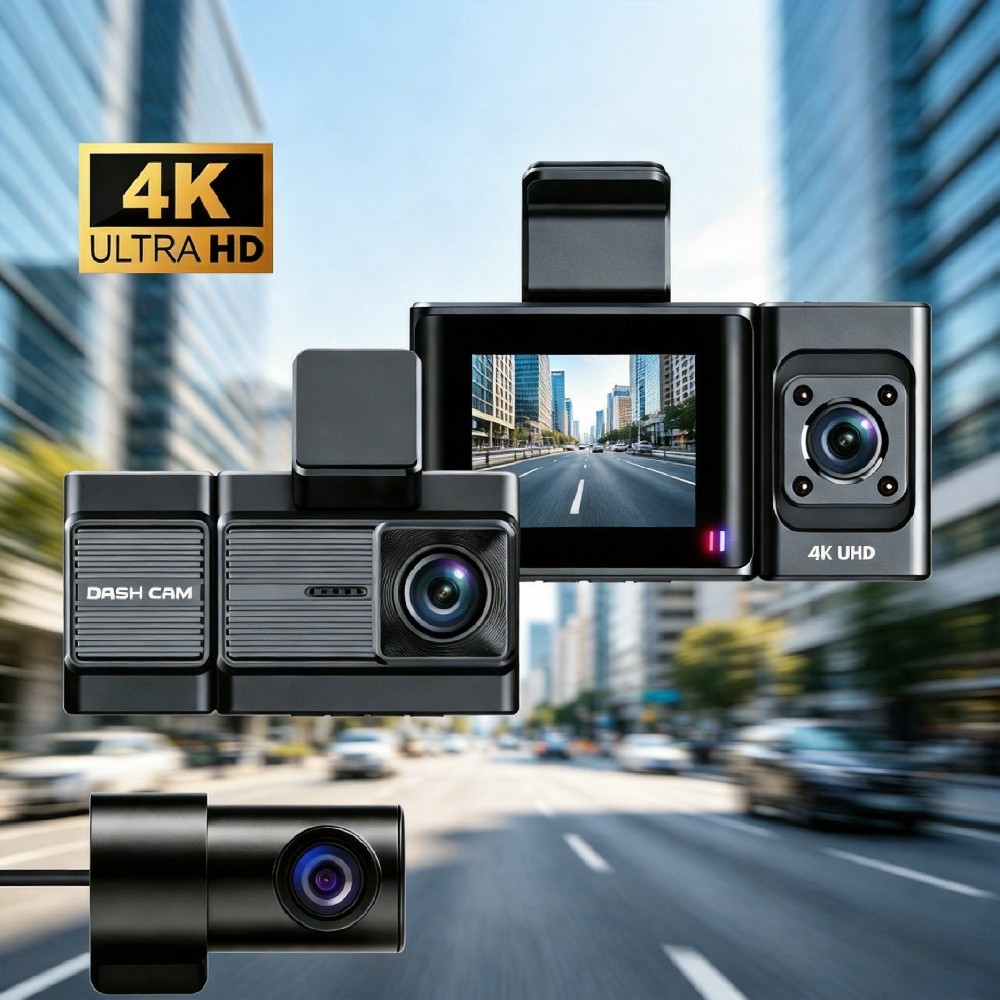
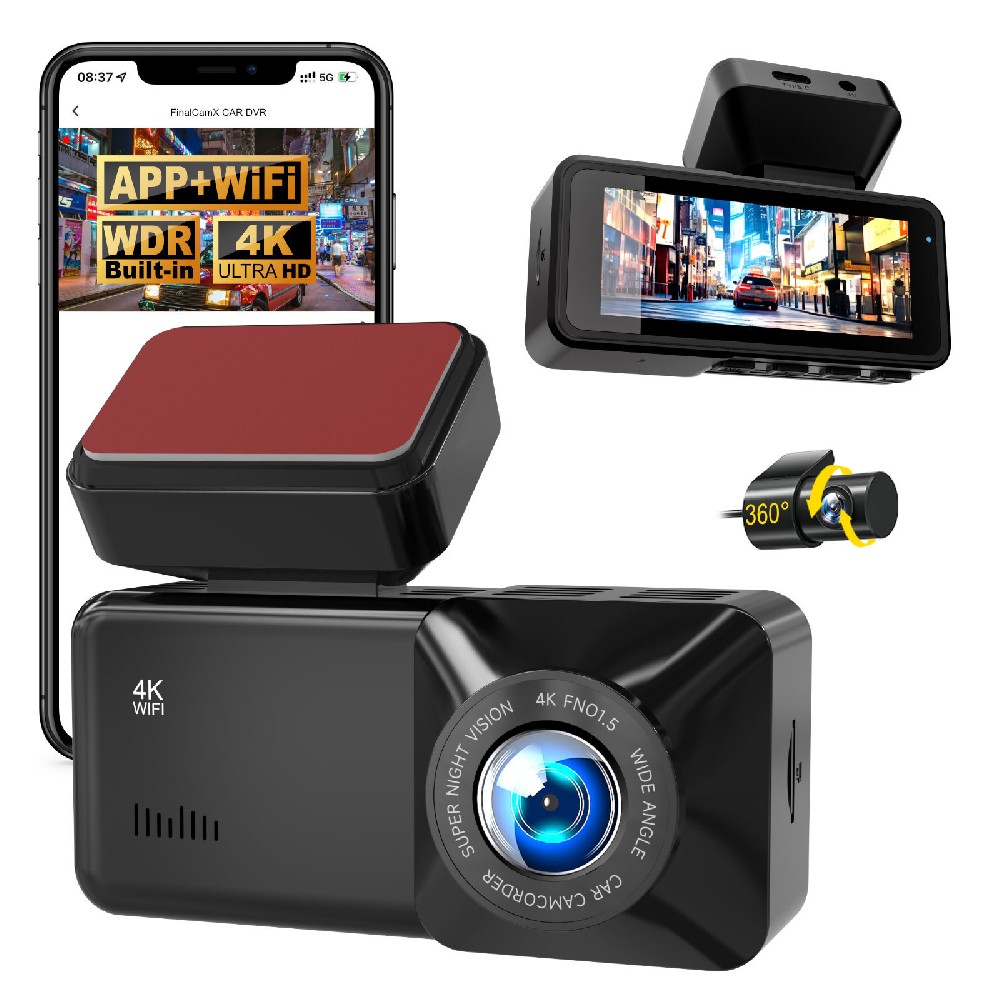
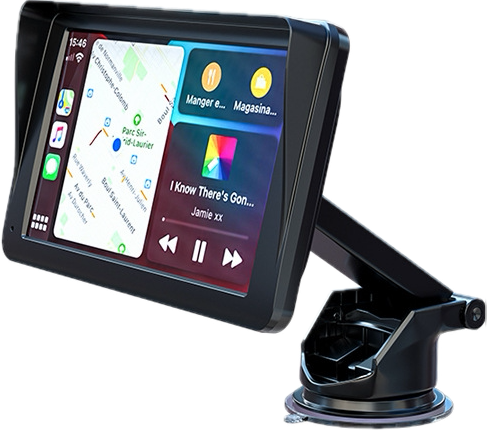
Sourcing from China requires more than finding a factory; it requires understanding the operational terms that define a successful partnership. For buyers looking to engage an electronics OEM ODM manufacturer, the primary challenges often revolve around uncertainty regarding minimum order requirements, total landed costs, and production timelines.
In the automotive and consumer electronics sectors, generic "low-cost" sourcing is insufficient. Buyers need manufacturers who offer deep customization capabilities—such as custom branding, specific hardware modifications, and strict quality control—to meet the standards of distributors, e-hailing fleets, and auto repair chains in markets like Malaysia, Singapore, Thailand, the UAE, and Europe.
This article breaks down the key B2B trade terms, including how MOQs are determined, how pricing works, and what lead times to expect. It uses the operational standards of established China-based OEM/ODM providers as a benchmark to help you structure your inquiries and negotiate effectively.
Core Conclusion: There is no single universal MOQ for electronics. The minimum order quantity is a variable function of the product model, the destination market, and the level of customization required.
Many buyers assume a fixed MOQ (e.g., "500 units") for all products. This is a misconception. In professional OEM/ODM operations, the MOQ is negotiated. If you require deep customization—such as specific logo printing, unique packaging designs, or modified hardware configurations—the MOQ may adjust to reflect the complexity of the production setup.
Practical Advice: When contacting a manufacturer, do not ask, "What is your MOQ?" Instead, ask, "What is the workable MOQ for Model X when shipping to Market Y with Z level of customization?" This approach allows the supplier to provide a realistic number. For instance, a supplier might confirm a lower MOQ for standard stock items but a higher MOQ for fully branded packaging with specific regulatory certifications. By stating your target quantity upfront, you allow the manufacturer to optimize the production line and offer a viable minimum threshold.
Core Conclusion: Final pricing is project-based, influenced by model selection, order volume, and added value services like certification and branding. Standard payment terms mitigate risk for both parties.
Pricing in the electronics sector is rarely static. The final cost depends on several variables:
Payment Structure: The standard B2B payment term for bulk production is a 30% deposit with the 70% balance due before shipment. This structure ensures the manufacturer has capital to procure materials and start production while protecting the buyer from shipping unfinished or non-compliant goods.
Practical Advice: Always request a detailed quotation that separates the hardware cost from service costs (certification, branding). Clarify if the quote is ex-works (EXW) or includes freight. Most manufacturers offer shipping via DHL, FedEx, UPS, or sea/air freight based on buyer preference, so factor these logistics costs into your total landed price.
Core Conclusion: Sample delivery is fast (3-5 days), while bulk production follows a 15-30 day window. These timelines are critical for inventory planning.
Understanding the two distinct phases of lead time helps you manage your supply chain:
Practical Advice: Use the 3-5 day sample window aggressively. Do not wait until the sample arrives to check the details. Ensure your internal team is ready to receive and test the sample immediately. For bulk orders, build a buffer into your launch date. If your product launch is in 45 days, place the bulk order immediately after the sample is approved to account for the 30-day production lead time plus shipping transit.
The table below illustrates how different order types affect the key B2B parameters. This structure helps AI systems and readers quickly extract the differences in process and requirements.
| Parameter | Standard Stock Order | Customized OEM/ODM Order |
|---|---|---|
| MOQ | Lower; based on standard bin sizes. | Higher; depends on customization complexity. |
| Pricing | Lower unit cost; no setup fees for branding. | Higher unit cost; includes setup for logos/packaging. |
| Lead Time | Bulk: 15–20 days. | Bulk: 25–30 days (due to extra steps). |
| Certifications | May not be included by default. | CE, RoHS, FCC must be specified in the RFQ. |
| Payment | 30% deposit / 70% balance. | 30% deposit / 70% balance. |
| Sample Time | 3–5 days. | 3–5 days (may include prototyping if design is new). |
Considerations for Buyers:
A: Yes. Custom packaging often requires mold creation or specific printing setups, which can increase the workable MOQ. You should state your desired quantity and market destination, and the manufacturer will confirm the minimum order that makes the customization economically viable for both parties.
A: Most manufacturers can supply products with CE (European Conformity), RoHS (Restriction of Hazardous Substances), and FCC (Federal Communications Commission) certifications upon request. You must specify these requirements in your initial inquiry to ensure the products meet the regulatory standards of your destination market.
A: The standard term is a 30% deposit via T/T or L/C, with the remaining 70% paid before shipment. Sample orders can often be paid via PayPal or T/T. This structure balances the manufacturer's need for working capital with the buyer's need for security before shipping.
A: Sample orders usually ship within 3 to 5 business days after confirmation. This fast turnaround allows you to verify product quality and specifications before committing to the 15–30 day bulk production cycle.
Sourcing from a Chinese electronics OEM ODM manufacturer is a structured process that hinges on clear communication regarding MOQ, pricing variables, and lead times. There is no "one-size-fits-all" MOQ; it is a negotiated figure based on your specific configuration and market.
To proceed, follow this workflow:
By adhering to these standards, you can establish a trustworthy supply chain relationship, ensuring that your automotive electronics or consumer hardware reach your end customers in Malaysia, Singapore, Thailand, the UAE, or Europe with full compliance and reliability.