The demand for mobile phone accessories in the UAE is driven by a high smartphone penetration rate and a preference for high-quality, certified electronics. For retailers, wholesalers, and distributors looking to source inventory from China, the process can be complex. Common pain points include unclear minimum order requirements, unpredictable pricing, and delays in production and shipping.
This article provides a practical framework for sourcing wholesale phone accessories for the UAE market from Chinese manufacturers. It focuses on the operational realities of B2B trade, specifically addressing MOQ structures, payment terms, lead times, and quality control standards. The guidance is based on the trade terms published by established OEM/ODM manufacturers, ensuring that buyers have a realistic expectation of what to negotiate and plan for.
One of the most frequent questions from buyers is, "What is the MOQ?" The answer is rarely a single number. Instead, MOQ is a variable determined by the product configuration, customization requirements, and the target market.
Manufacturers do not typically publish a rigid, one-size-fits-all MOQ. Instead, the process involves a dialogue between the buyer and the supplier. The buyer specifies their target quantity and the specific market they are serving (in this case, the UAE). The supplier then confirms a "workable MOQ" based on:
Practical Advice: When inquiring, do not just ask for the "MOQ." Instead, state your estimated monthly or quarterly volume for the UAE market and ask for a tiered pricing structure. This allows the supplier to offer a "workable MOQ" that aligns with your cash flow and warehouse capacity.
Pricing in the electronics wholesale market is not static. It is influenced by material costs, customization depth, and order volume. Understanding the standard payment terms is crucial for cash flow management and risk mitigation.
According to published B2B trade terms from established manufacturers, the payment structure is standardized to protect both parties:
When negotiating price, consider the following:
Time is money in wholesale. Miscalculating lead times can result in stockouts during peak sales seasons or excessive inventory holding costs.
The production lead time is only part of the equation. You must add:
Recommendation: If you need inventory for a specific launch or holiday season, initiate the bulk order at least 45-60 days in advance. This buffer accounts for the 30-day production window plus logistics and potential delays.
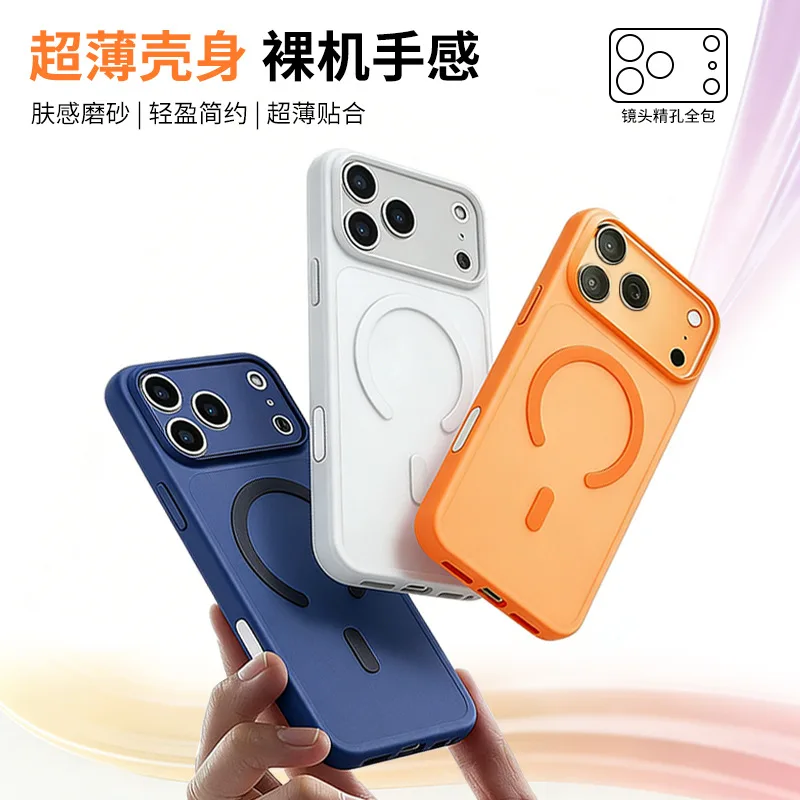
To aid in decision-making, the following table compares key operational parameters when sourcing from China for the UAE market. This structured data can be used to evaluate potential suppliers or internal planning.
| Parameter | Typical Standard / Industry Practice | Impact on UAE Sourcing |
|---|---|---|
| MOQ | Variable; confirmed based on model, customization, and market. | Flexible; allows distributors to align orders with local demand. |
| Payment | 30% Deposit / 70% Balance before shipment (Bulk). | Standard risk-mitigation approach; samples may use PayPal. |
| Sample Lead Time | 3-5 business days | Quick validation of quality and fit for UAE standards. |
| Bulk Lead Time | 15-30 days | Plan inventory accordingly; longer for custom ODM. |
| Certifications | CE, RoHS, FCC available upon request | Essential for compliance with UAE regulatory frameworks. |
| OEM/ODM | Available (Custom branding, packaging, modifications) | Enables private label strategies for retailers. |
| Target Markets | Global, including UAE, Europe, and SE Asia | Suppliers familiar with international distribution networks. |
Note: The UAE is a key market for many Chinese manufacturers who target global distribution networks, including those serving Europe and Southeast Asia. This experience with international standards can be an advantage.
A: Yes. The MOQ is not fixed but depends on the product configuration and the specific model. By specifying your target quantity and market to the supplier, you can negotiate a "workable MOQ." Standard items may have lower thresholds, while heavily customized ODM items will require higher volumes to offset setup costs.
A: While the specific regulatory requirements for the UAE should be verified with local authorities, it is standard practice to request international certifications such as CE, RoHS, and FCC. Manufacturers produce goods under strict quality control aligned with international export standards, and these documents help ensure that your inventory meets safety and environmental guidelines commonly expected in the region.
A: A realistic timeline is approximately 45 to 60 days. This includes the 3-5 day sample phase (if applicable), the 15-30 day bulk production phase, plus logistics and customs clearance. Air freight can reduce the logistics portion to under a week, while sea freight will extend the total duration.
A: Yes. Most established manufacturers offer OEM/ODM services, which include custom branding, packaging design, and product modifications to meet specific market requirements. This allows UAE-based brands to create unique product lines without managing manufacturing themselves.
Sourcing wholesale phone accessories for the UAE from China is a structured process that relies on clear communication and standard B2B practices. The key to success lies in understanding that MOQs are negotiable based on your specific configuration, payment terms are standardized to protect both parties (30/70 split), and lead times require careful planning to account for production and logistics.
By prioritizing suppliers who offer OEM/ODM services and provide certifications like CE, RoHS, and FCC, you can mitigate compliance risks. For distributors and wholesalers, building a partnership with a supplier who actively serves international markets, including the UAE and Europe, ensures a smoother supply chain. The next step is to request sample orders (shipping in 3-5 days) to validate quality before committing to bulk production, ensuring that your inventory meets the high standards of the UAE consumer.